US Senate clears Russia sanctions bill targeting India, China over oil trade — SkimNews
Get the Geopolitics newsletter
Daily geopolitics — wars, elections, sanctions, the diplomatic moves that move markets. Free.
- The US Senate passed the renamed Lindsey O. Graham Sanctioning Russia and Iran Act of 2026 by an 86-11 vote, targeting Russia and its top energy buyers to cut off funding for the war in Ukraine.
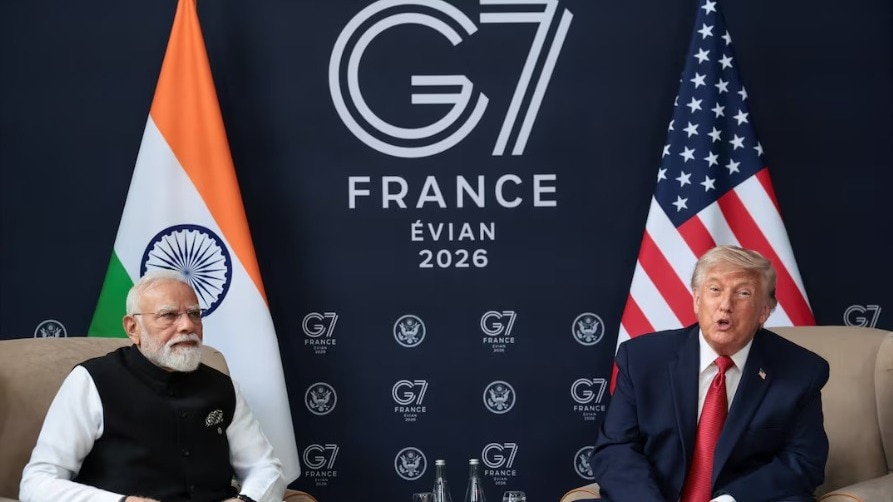
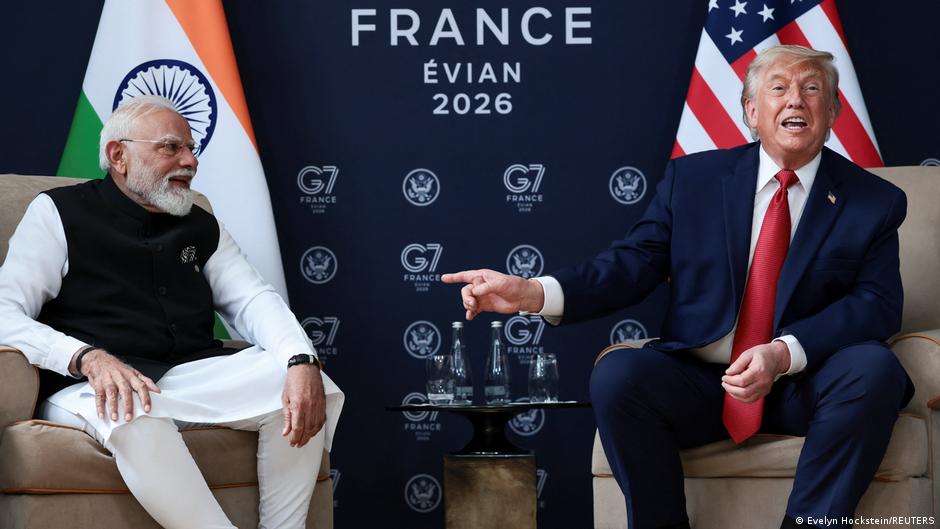
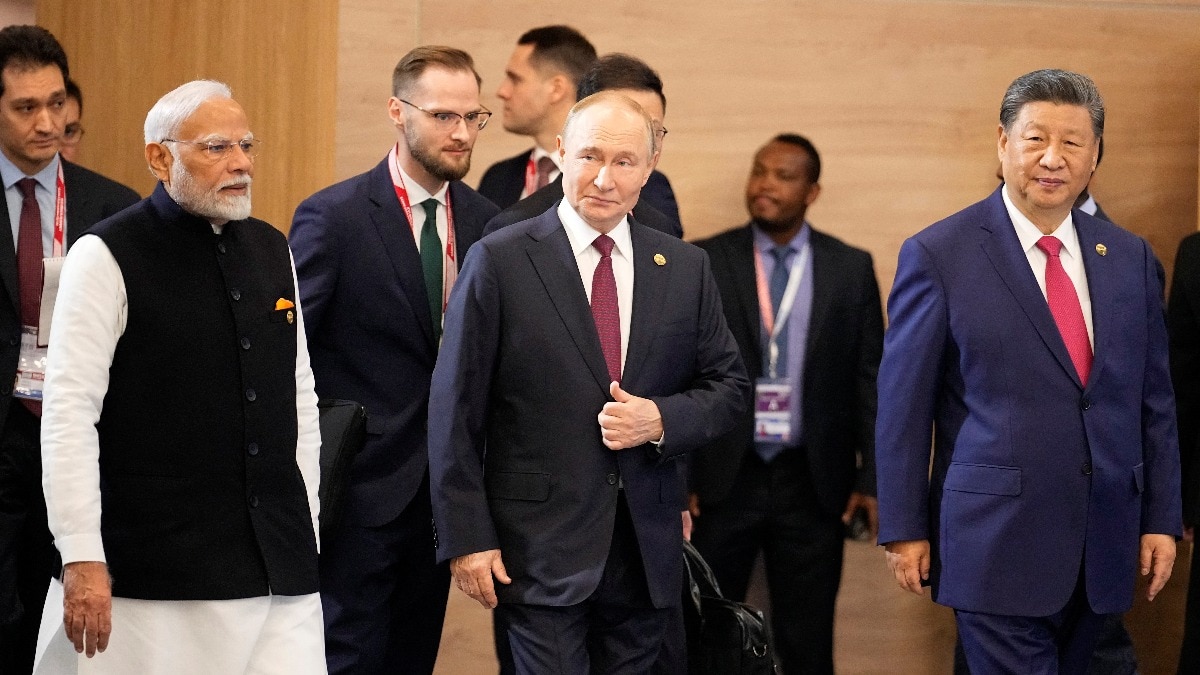
- The bill authorizes President Trump to impose 100% tariffs on goods from the top five importers of Russian oil and gas — currently China, India, Azerbaijan, Hungary, and Slovakia.
- The legislation also sanctions Russian leaders including Vladimir Putin, oligarchs, and financial institutions, and extends the Iran Sanctions Act of 1996 through 2031.
- Senator Lindsey Graham, who championed the bipartisan bill alongside Democrat Richard Blumenthal, died on July 11 after a trip to Kyiv; his sister Darline Graham, appointed to fill his seat, backed final passage.
- Democrats Gregory Meeks and Don Beyer warned the bill creates "sweeping new tariff authorities that the president could weaponize with abandon," arguing it lets Trump dodge holding Russia accountable while expanding his trade-war toolkit.
- The bill now heads to the House of Representatives, which reconvenes on August 31.
Why it matters: An 86-11 vote signals overwhelming bipartisan support, but the Meeks-Beyer critique exposes a contradiction at the bill's core: Democrats just voted to give Trump authority to impose 100% tariffs on China and India — the same countries already at the center of his trade war — in the name of punishing Russia. The bill's stated lever is sanctions on Russian oil revenue, but its actual mechanism is a massive expansion of presidential tariff power.
Ask SkimNews