Pakistan's Iran Mediation Gambit Amid Economic Decline — SkimNews

Get the Geopolitics newsletter
Daily geopolitics — wars, elections, sanctions, the diplomatic moves that move markets. Free.
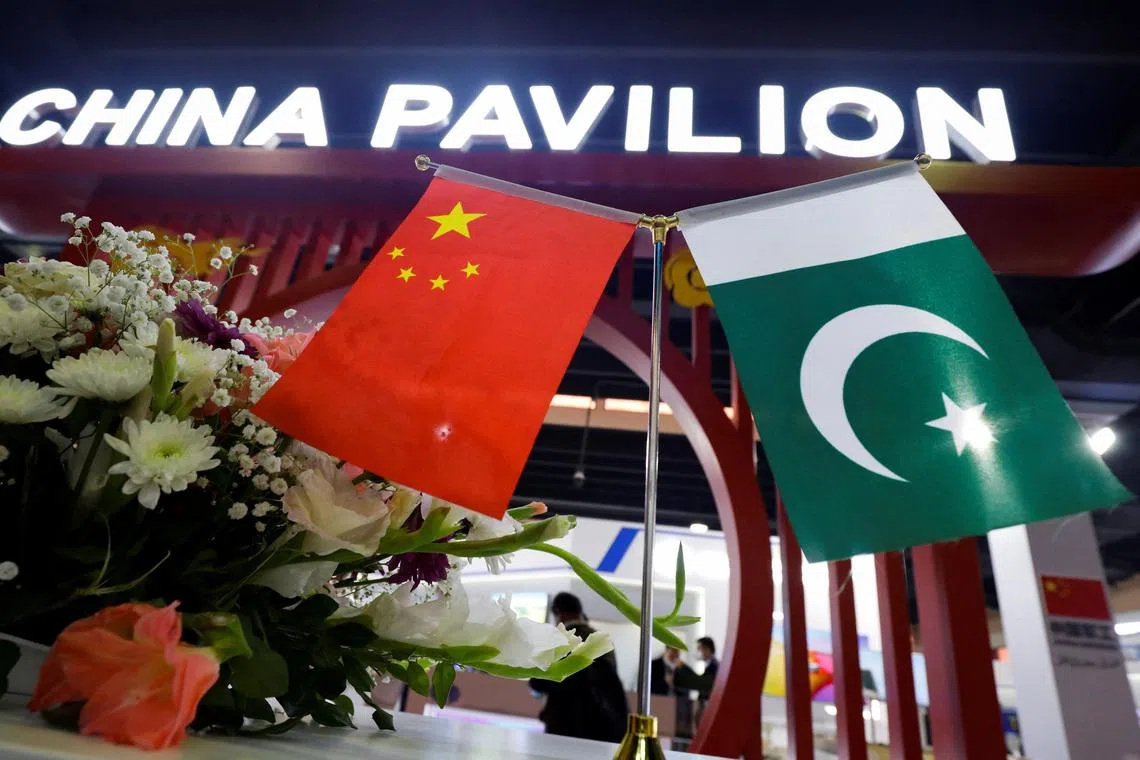
- Pakistan hosted the foreign ministers of Egypt, Saudi Arabia, and Turkiye last weekend, and Foreign Minister Ishaq Dar met Chinese counterpart Wang Yi in Beijing, producing a joint five-point plan (dated March 31, 2026) "for restoring peace and stability in the Gulf and Middle East region."
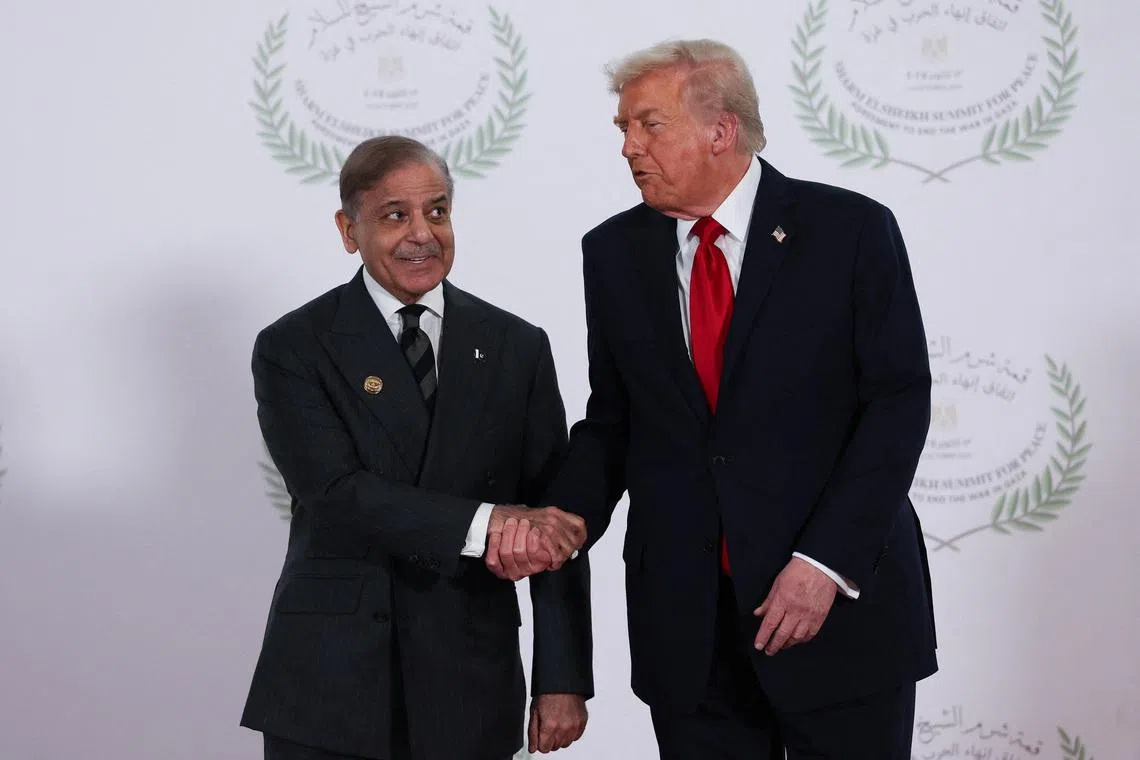
- Pakistan's mediating role builds on entrenched ties, including security assistance to Saudi Arabia since the 1950s, a Strategic Mutual Defense Agreement announced last year, Army Chief Asim Munir's visit to Washington last year, and joining the Trump administration's Gaza Board of Peace earlier this year.
- The country's mediator credibility is undercut by contradictions: Pakistan has no diplomatic relations with Israel, patchy ties with Iran (border skirmishes in 2024), yet would be compelled to respond militarily if Saudi Arabia invoked their mutual defense pact against Tehran.
- Pakistan is on its 25th IMF bailout, and its per capita income has fallen to roughly half of India's, despite Pakistan's per capita GDP being higher than India's for years until New Delhi launched economic liberalization in the early 1990s.
- Sri Lanka's per capita GDP is now almost three times Pakistan's, and Bangladesh and Nepal are also closing in, underscoring how Pakistan has fallen behind South Asian peers that started from weaker positions.
- Former Pakistan Army Chief Raheel Sharif has led the 43-nation Islamic Military Counterterrorism Coalition (IMCTC) since 2017, a parallel illustration of Pakistan's willingness to anchor multilateral security blocs in the Muslim world.
Why it matters: Pakistan stands to gain materially from a successful mediation: enhanced global standing, likely U.S. financial assistance for its 25th-bailout economy, and potential new defense deals. But the mutual defense pact with Saudi Arabia could force Islamabad to act against Tehran, undermining its impartiality, while the economic gap with India, Sri Lanka, and Bangladesh shows diplomatic visibility is outrunning structural power.
Ask SkimNews