New injection makes fat cells self-destruct — SkimNews
Get the Health newsletter
Daily health & science — research, biotech, public health, the studies worth knowing. Free.
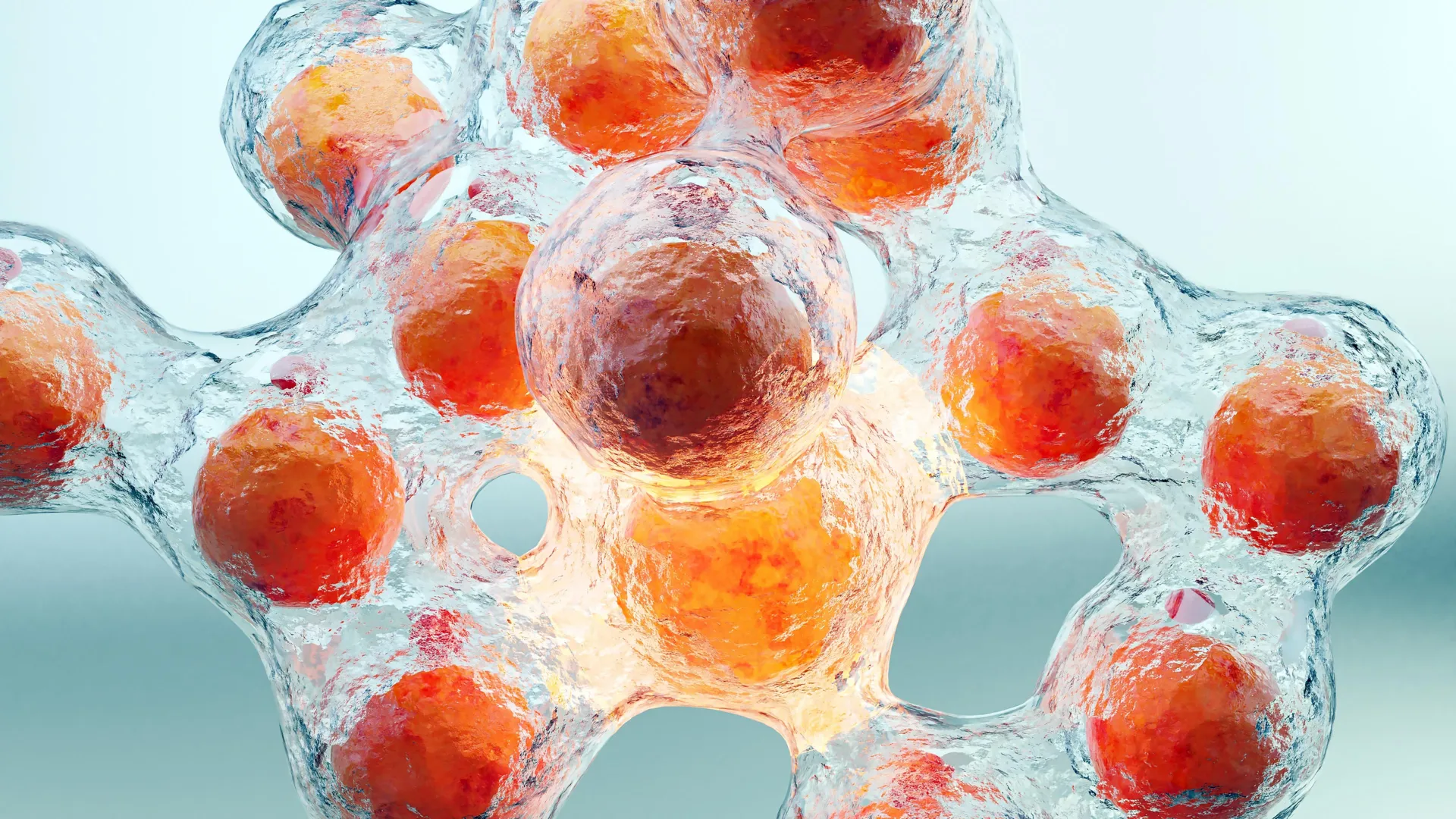
- CBL-514 triggers apoptosis in adipocytes (fat-storing cells) while leaving other cell types unaffected, targeting both subcutaneous fat beneath the skin and visceral fat surrounding abdominal organs.
- In phase 2 trials analyzed by MRI, the CBL-514 group saw a 12.01% visceral fat reduction at 4 weeks while the placebo group gained 5.68%; at 8-12 weeks, the treatment group remained 10.45% below baseline while placebo rose 11.76%, a 22.21 percentage-point gap.
- Separately, 69.6% of CBL-514 participants lost at least 150 mL of subcutaneous fat by week 8, compared with none of the placebo recipients reaching that threshold.
- In animal studies, combining CBL-514 with tirzepatide produced greater weight loss than tirzepatide alone, and rats given both drugs regained less weight after tirzepatide was stopped — a result the researchers attribute to fewer remaining fat cells slowing reaccumulation.
- Dr. W. Timothy Garvey of the University of Alabama at Birmingham presented the data at the European Association for the Study of Diabetes annual meeting in Milan, calling CBL-514 "a highly innovative approach to obesity pharmacotherapy."
- The drug was generally well tolerated, with only mild-to-moderate injection-site reactions (pain, swelling, redness); developer Caliway Biopharmaceuticals of New Taipei City, Taiwan, has begun recruiting for two phase 3 randomized trials, with initial results expected by the end of the following year.
Why it matters: The 10.45% visceral fat reduction in the CBL-514 group held 8-12 weeks after treatment while placebo fat rose 11.76%, and unlike liposuction or abdominoplasty — which only address fat under the skin — CBL-514 reaches the visceral fat biologically tied to insulin resistance, type 2 diabetes, and cardiovascular risk.
Ask SkimNews