Trump Signs Russia Sanctions Bill Threatening India Tariff — SkimNews
Get the Geopolitics newsletter
Daily geopolitics — wars, elections, sanctions, the diplomatic moves that move markets. Free.
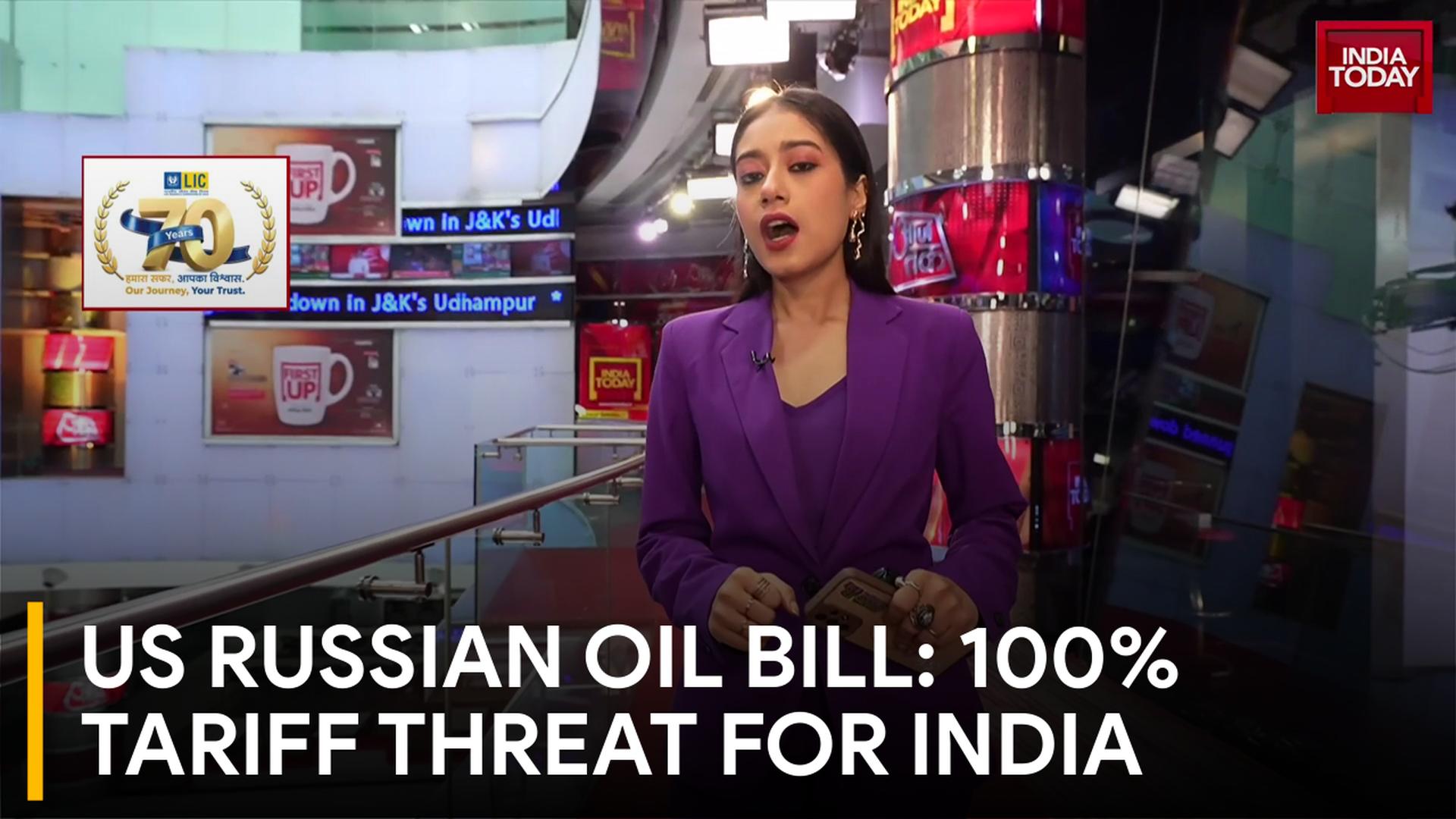
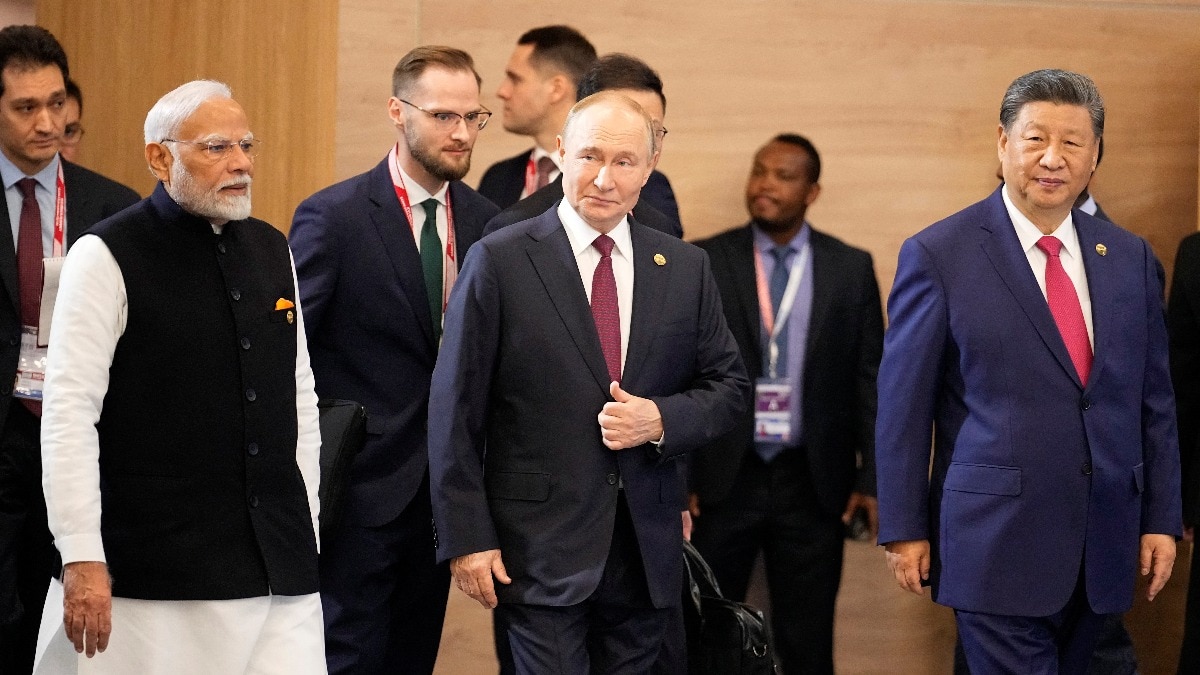
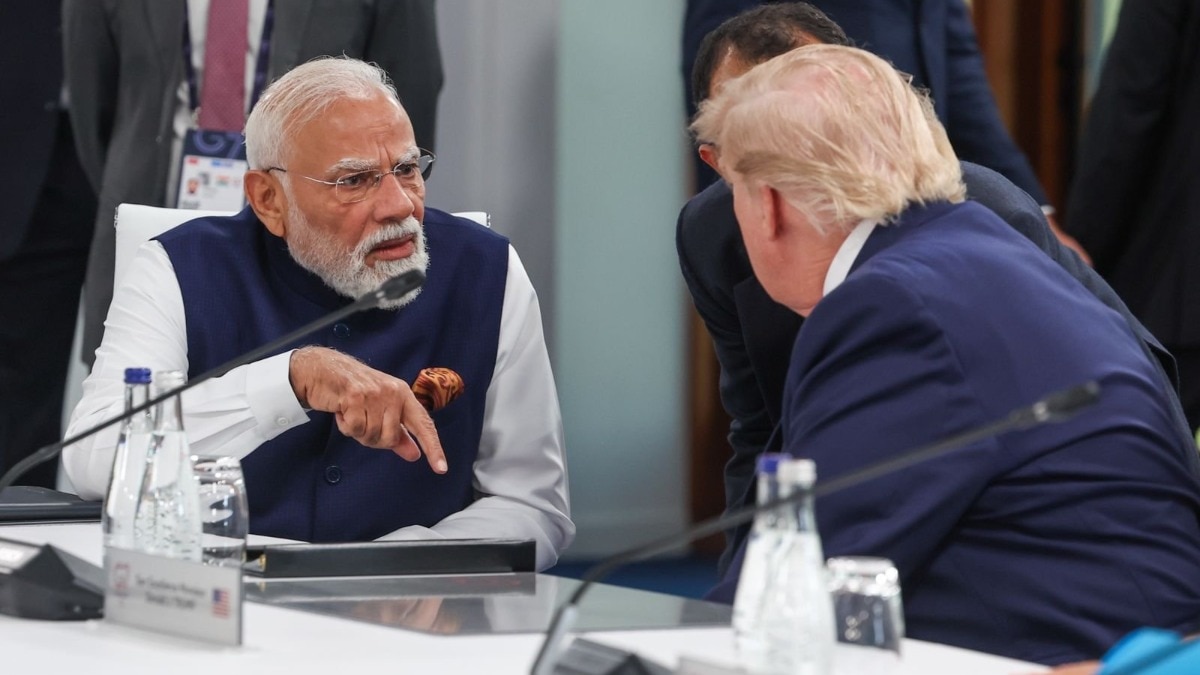
- Donald Trump signed the Lindsey O Graham Sanctioning Russia and Iran Act of 2026 on September 19 after the bill cleared both chambers with rare bipartisan support, authorizing tariffs up to 100% on Russian energy importers—India and China are the clear targets.
- Senator Richard Blumenthal (Democrat) framed the bill bluntly: "For China and India, it would be better if you improve your performance. Buy your oil and gas from somewhere else."
- India's Ministry of External Affairs warned the legislation carries "potential implications" for the bilateral relationship, while Indian Ambassador to the US Vinay Mohan Kwatra posted on X: "The energy security of India's people comes first!"
- India's energy mix makes rapid compliance nearly impossible—Russian crude accounted for ~52% of its crude imports in July 2026, with over 88% of overall consumption sourced through imports in 2024-25, and Indian refiners have warned replacement is difficult.
- Deputy Secretary of State Christopher Landau told India during a March visit that Washington "is not going to make the same mistakes with India that we made with China 20 years ago," explicitly framing the policy as pre-empting a rival economic power.
- India has long practiced strategic autonomy—buying American helicopters, French fighter jets, Russian crude, and Chinese electronics—refusing to align exclusively with any single foreign power.
- Historical precedent: After US sanctions imposed over India's 1998 nuclear tests (Operation Pokhran-II), India rode out the restrictions, grew its economy, and by 2008 the Indo-US nuclear deal recognized it as a nuclear power.
Why it matters: Washington is now openly running a containment playbook against India—having watched China's $19.5 trillion economy turn into a strategic adversary, it is signaling that any large Asian power must remain subordinate or face economic punishment. For India, replacing roughly half its crude imports on Washington's timetable is logistically near-impossible, so the tariffs function less as a negotiating lever and more as a structural constraint that could accelerate New Delhi's multi-alignment strategy away from the US.
Ask SkimNews