Ukraine Caspian Strike Threatens India-Russia Trade Corridor — SkimNews
Get the Geopolitics newsletter
Daily geopolitics — wars, elections, sanctions, the diplomatic moves that move markets. Free.
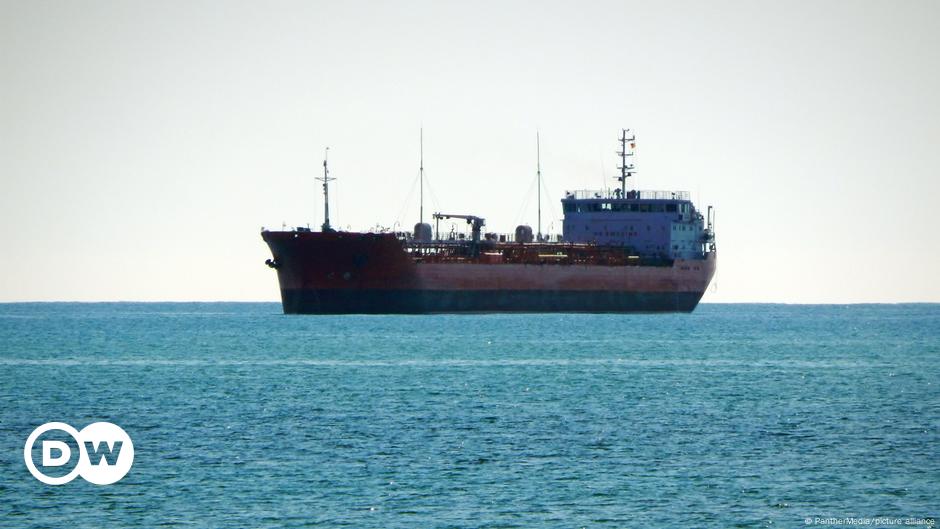
- Ukraine struck an Iranian merchant vessel in the Caspian Sea on July 25 with long-range drones, killing one sailor and injuring another, in the latest expansion of the war roughly 700 km from Ukrainian territory.
- Iran called the strike a "hostile and criminal act" via Foreign Minister Ali Abbas Araghchi and is weighing retaliation options, while President Zelensky said Ukraine hit vessels tied to Iranian military cargo shipments and a warship.
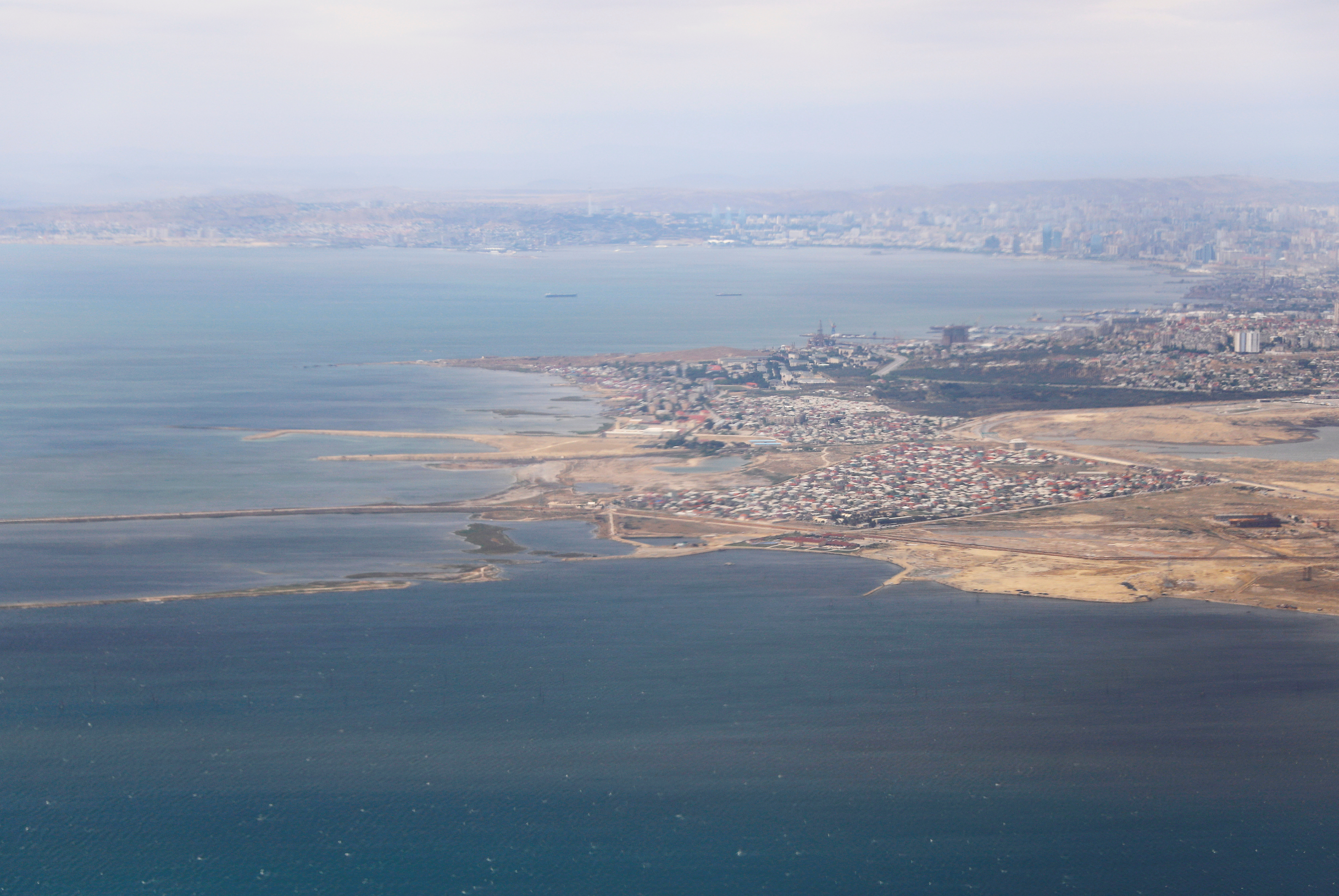
- Russia has used the Caspian route to bypass the militarily contested Black Sea corridor, and the US believes the inland sea now serves as a key conduit for sanctioned commercial and military cargo between Russia and Iran—including drone components shipped to the Yelabuga factory producing over 90% of Russia's Geran-2 drones.
- India's International North-South Transport Corridor (INSTC), a 7,200 km Mumbai-Moscow network of rail, road and shipping routes, is now exposed at both Iranian ends: the US destroyed a surveillance tower at Chahbahar port on July 16, and India's Shahid Behesti terminal sits inside a conflict zone, though New Delhi says it was undamaged.
- Goa Shipyard Ltd. is building 24 river-sea class cargo vessels—chemical tankers, bulk carriers and container ships at $28 million each—under an October 2023 contract with Russian clients for Caspian delivery by 2027, a core pillar of the projected $100 billion India-Russia trade target by 2030.
Why it matters: India invested years and hundreds of millions of dollars into the INSTC as its flagship alternative trade artery to Russia, with 24 vessels at $28 million each under construction at Goa Shipyard; with the Caspian now an active war theater and Chahbahar port already struck, those bets and the $100 billion 2030 trade target are suddenly hostage to two intersecting wars on Iranian soil.
Ask SkimNews