India's Iran Crisis Tests Strategic Autonomy Claim — SkimNews

SkimNews Take
India's bet that strategic autonomy could survive by avoiding Middle Eastern entanglement collapses under the weight of energy and financial interdependence—neutrality, it turns out, is a position the global market will not let a major oil importer hold.
Get the Geopolitics newsletter
Daily geopolitics — wars, elections, sanctions, the diplomatic moves that move markets. Free.
- Iran has imposed a near-total blockade on the Strait of Hormuz during the third week of its conflict with the US and Israel, severely disrupting energy flows for Asian importers, including India, which routes roughly 90% of its LPG imports and 46-50% of its crude oil through the strait.
- S. Jaishankar placed four calls to Iranian Foreign Minister Seyed Abbas Araghchi in under two weeks, while PM Narendra Modi spoke with Netanyahu on March 2 and Iranian President Masoud Pezeshkian on March 12 — the latter call's contents undisclosed but apparently focused on securing safe passage for India-bound tankers.
- Only 2 of 22 ships stranded in the strait subsequently reached Indian ports, a result Jaishankar framed as a diplomatic win while denying any quid pro quo, though NDTV reported Iran sought the release of three seized tankers, medical supplies, and a BRICS statement favorable to Tehran.
- Modi had visited Israel on February 25-26, upgrading ties to a 'special strategic partnership' and declaring 'India stands with Israel' — just two days before the February 28 attack, prompting Indian analysts to question whether New Delhi was caught flat-footed or was pre-aligned with the US-Israeli operation.
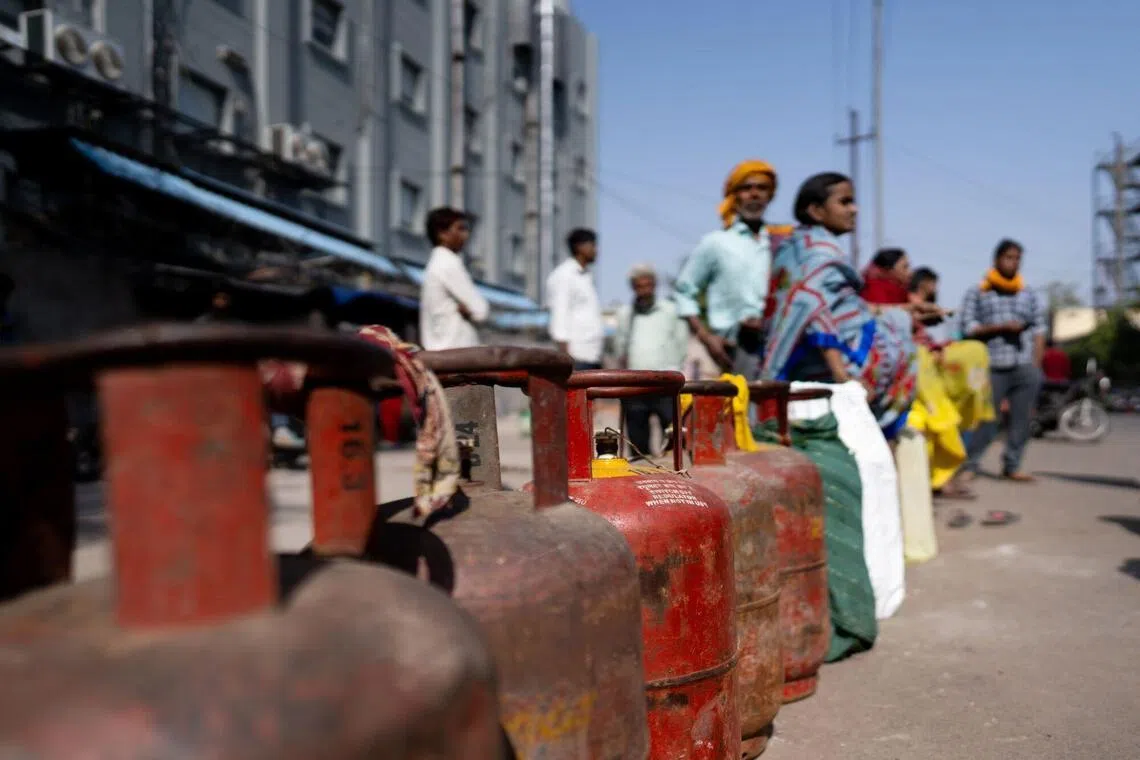
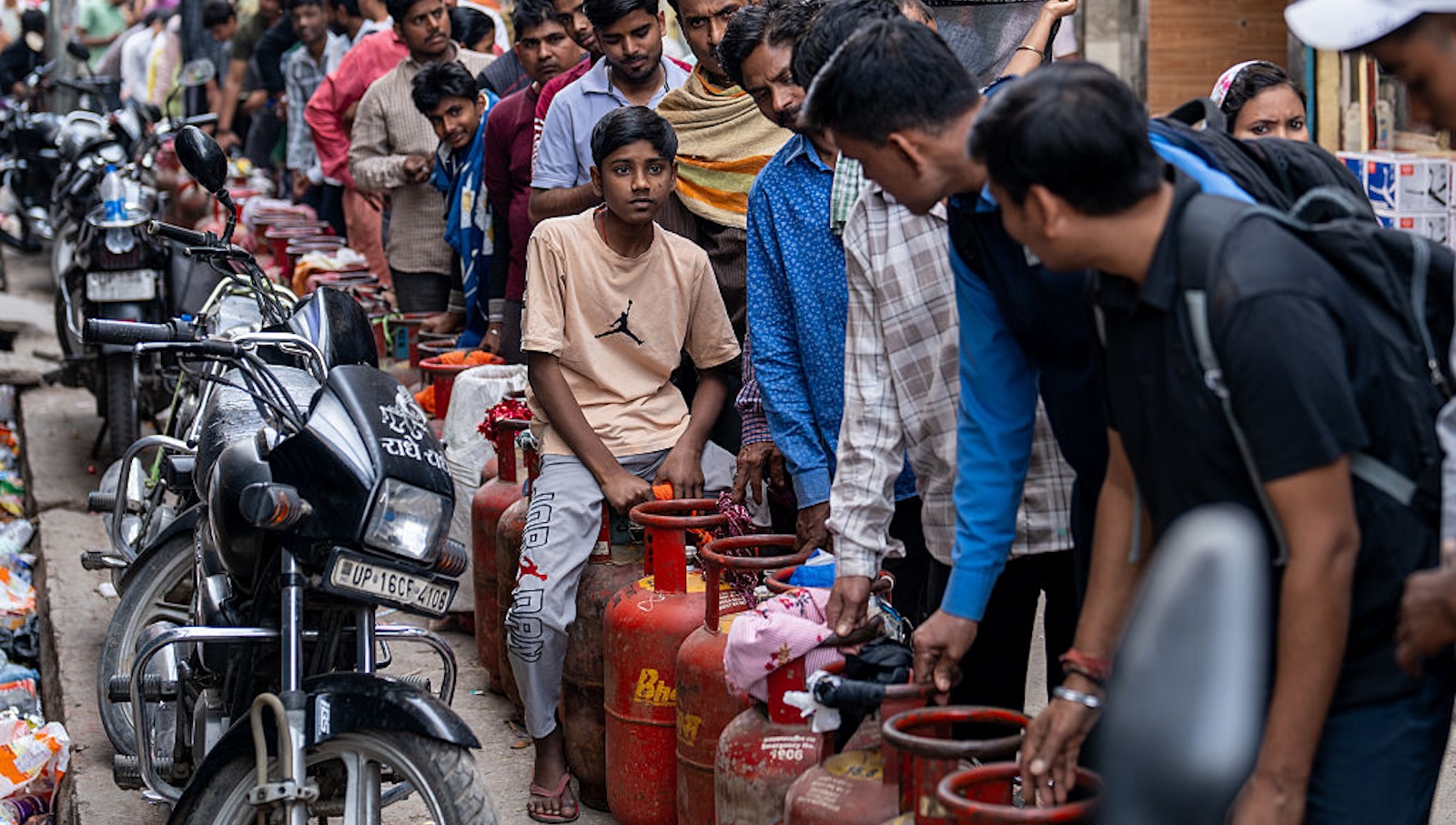
- Four Indian states are heading into April polls amid LPG shortages that have sent citizens queuing with empty cylinders, with an estimated 220,000 of the 9-10 million Indians in the Middle East already returning home since the conflict began.
- The article argues India's inability or unwillingness to question the war's legal rationale or articulate a Global South position undermines its bid for a permanent UN Security Council seat, a case it has built on the claim that the body's composition must reflect shifting power realities.
- New Delhi is simultaneously benefiting from Trump's lifting of sanctions on Russian crude oil, a parallel energy hedge that the piece presents as further evidence that India's posture is being driven by domestic energy needs rather than principled strategic autonomy.
Why it matters: Roughly 90% of India's LPG imports pass through a waterway now under Iranian blockade, and with four states heading to April elections and millions of households already queuing for fuel, New Delhi cannot credibly claim to be a neutral Global South leader while quietly taking Russian oil and courting both Tehran and Tel Aviv. Its UNSC permanent-seat pitch — built on representing the developing world — now rests on a diplomatic record that looks reactive rather than principled.
Ask SkimNews