U.S., Israel Strike Iran; Tehran Fires Missiles at Gulf — SkimNews
Get the Geopolitics newsletter
Daily geopolitics — wars, elections, sanctions, the diplomatic moves that move markets. Free.
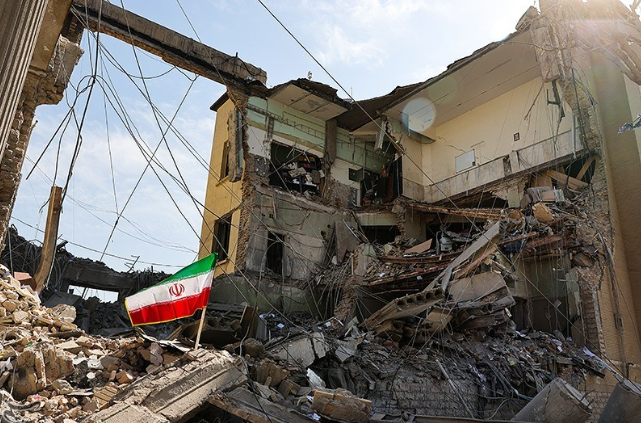
- U.S. and Israel launched joint military strikes against Iran on Feb. 28, hitting senior officials including Supreme Leader Ali Khamenei, missile facilities, naval assets, and regime security forces sites
- Iranian air defenses are described as porous: Israeli aircraft operated largely unchallenged over nearly two weeks of sorties last June, and three U.S. warplanes have been hit by friendly fire — three more than Iran has managed to shoot down
- Tehran's retaliation came almost immediately, firing hundreds of drones and missiles at both Israel and targets across the Gulf, including states with which it had restored diplomatic ties, such as Saudi Arabia three years ago
- Iran's strategic bet is that drawing major energy producers and strategic waterways into the fight will impose economic and diplomatic costs on Washington, forcing a shorter U.S. commitment
- The risk Iran is now running, per the analysis, is that pulling countries that preferred to stay on the sidelines into the line of fire turns those neutral states into active adversaries
- USS Gerald R. Ford (CVN 78) is operating in the Eastern Mediterranean Sea in support of Operation Epic Fury, providing carrier-based air support for the joint strike campaign
Why it matters: Tehran is fighting from weakness — three U.S. jets lost to friendly fire versus zero Iranian aerial kills — betting that dragging Gulf energy producers into the fight pressures Washington into a quick exit. The gamble's downside: pulling neutral states like Saudi Arabia into the crossfire turns them into adversaries Iran cannot fight on a second front.
Ask SkimNews


