Nightjars Hit Record 109 Territories in Hampshire Heaths — SkimNews
Get the Energy newsletter
Daily energy & climate — solar, EVs, oil, the policy fights and tech bets shaping the transition. Free.
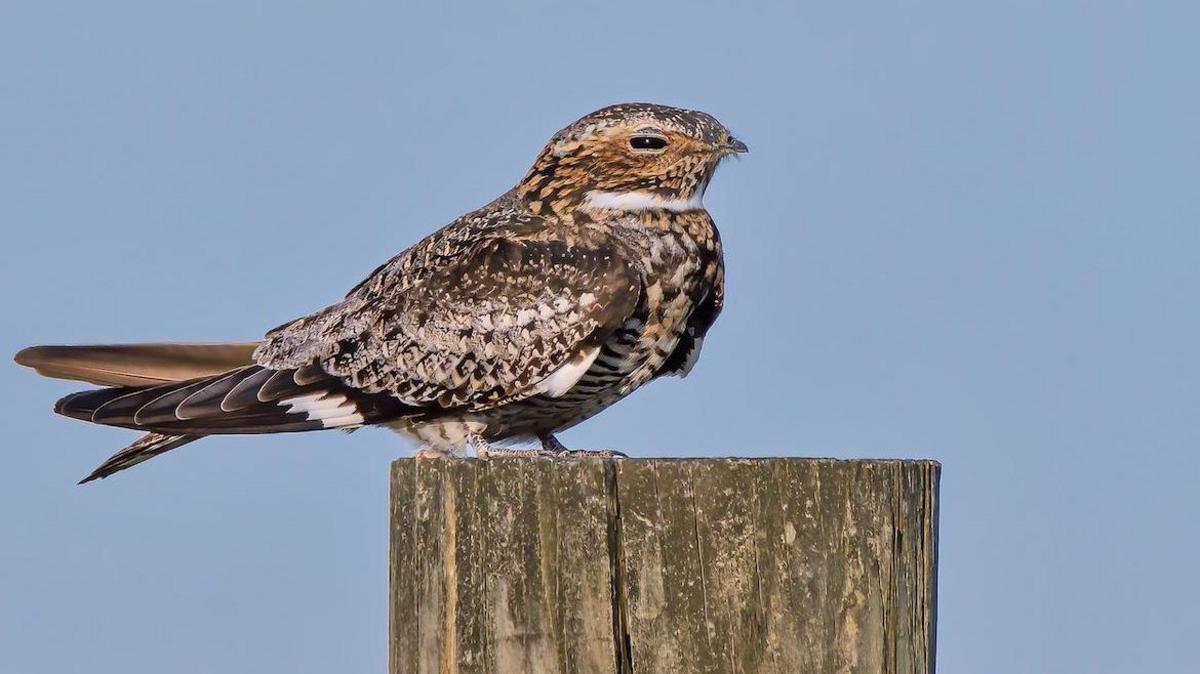
- South Downs National Park recorded 109 nightjar territories in east Hampshire's lowland heaths — including Woolmer Forest and commons at Shortheath, Bramshott, Ludshott, Broxhead and Kingsley — the highest count on record
- Nightjar numbers in the South Downs are thought to have doubled in the past five years, with 78 birds logged in last year's ecological survey
- Nightjars are amber-listed as a species of conservation concern, having declined 51% between 1972 and 1992 following loss of woodland and heathland to agriculture and development
- The SDNPA credits the rebound to lowland heath protection and engagement rangers who educate visitors on keeping dogs on leads, picking up waste, and staying on paths to avoid disturbing ground-nesting sites
- Lowland heaths now make up just 1% of South Downs National Park, with engagement ranger Kirsty Murray calling them "as rare as the rainforest"
- The nightjar resurgence has been mirrored by increases in woodlarks and Dartford warblers, according to park officials
- Nightjars migrate 4,000 miles from the Democratic Republic of Congo each spring and remain from April to August, hunting insects at dusk and dawn
Why it matters: For an amber-listed species that lost more than half its population between 1972 and 1992, a doubling over five years and a record 109 territories suggest that targeted heathland restoration is paying off — but with lowland heaths reduced to just 1% of the national park, the recovery remains fragile and contingent on continued habitat protection and visitor management.
Ask SkimNews