Yaku'amide B Degrades CD9 and Inhibits ATP Synthase in Cancer Cells — SkimNews

Get the Health newsletter
Daily health & science — research, biotech, public health, the studies worth knowing. Free.
- Yaku'amide B is a peptidic natural product isolated from a deep‑sea sponge near Yakushima Island, Japan, previously known to inhibit ATP synthase but now shown to act via a dual mechanism against cancer cells.
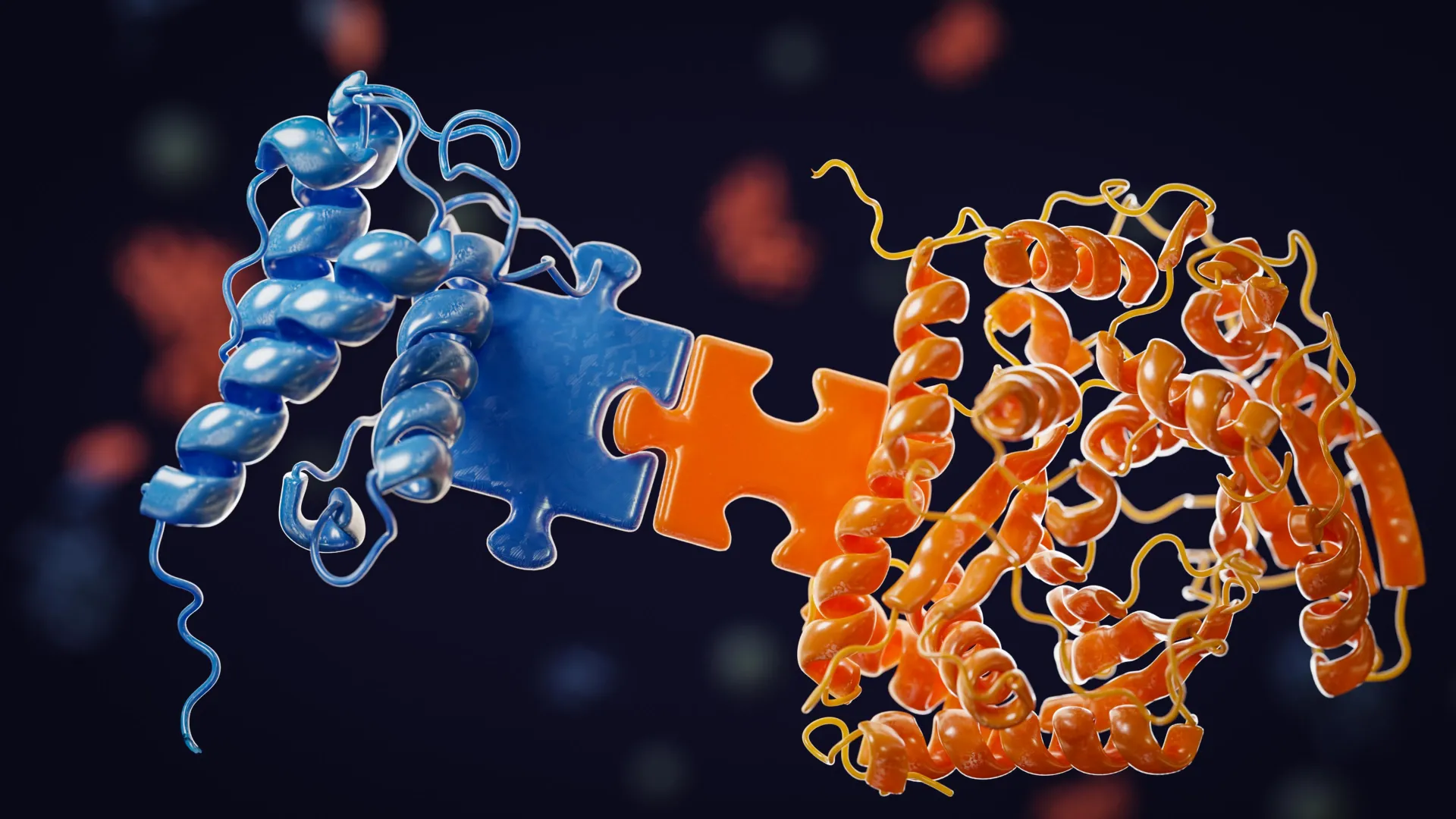
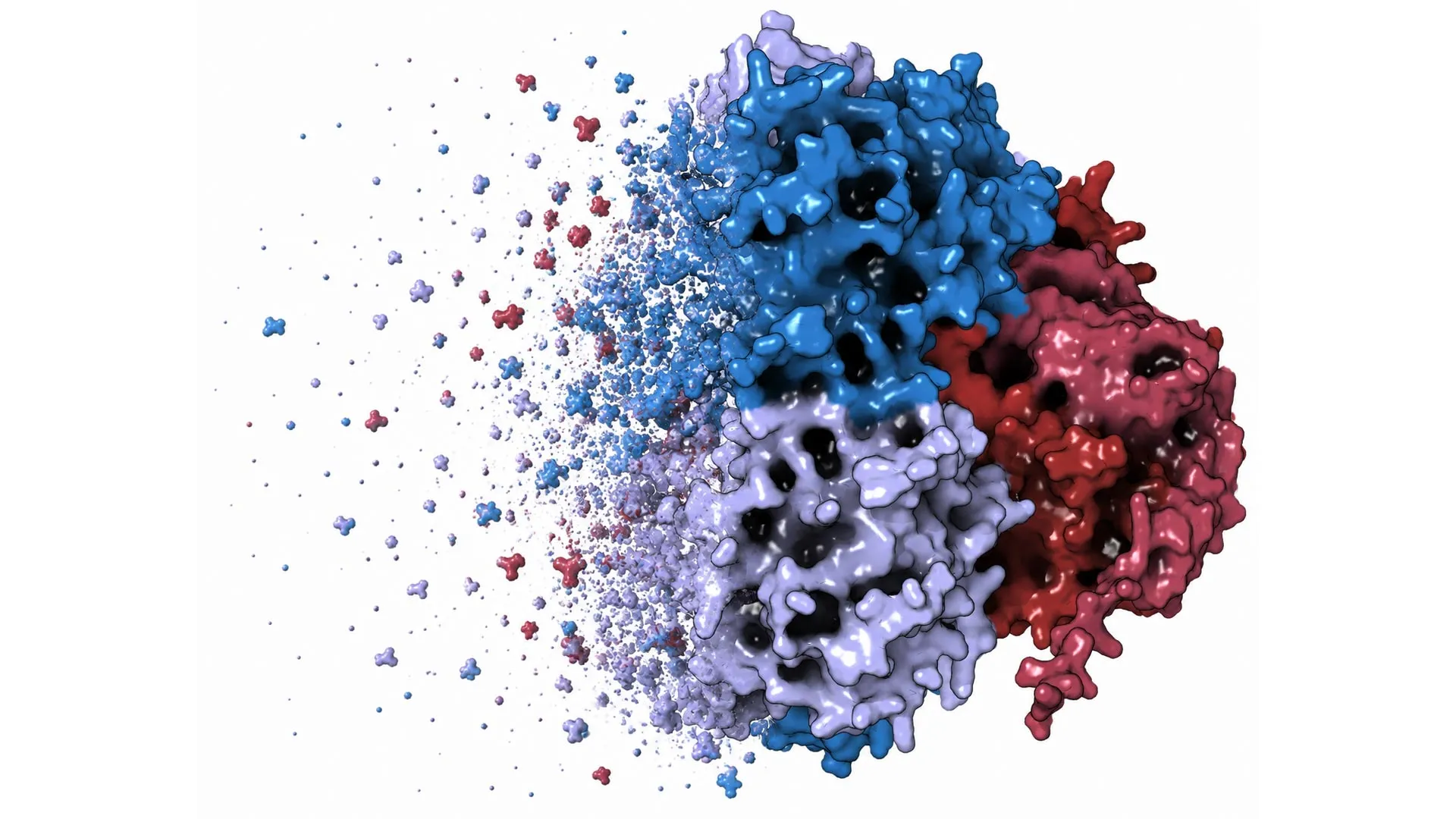
- CD9 is a membrane protein serving as a cancer‑stem‑cell marker; the study found that yaku'amide B transiently binds to CD9 and promotes its degradation inside cancer cells.
- ATP synthase inhibition by yaku'amide B occurs in mitochondria, leading to cellular energy depletion that hampers cancer cell proliferation.
- Photoaffinity labeling was employed as a probe to capture the transient interaction between yaku'amide B and CD9, revealing the degradation pathway.
- Journal of the American Chemical Society published the findings in 2026, highlighting yaku'amide B as the first natural product reported to induce CD9 degradation and suggesting new avenues for multi‑target anticancer drug design.
Why it matters: The discovery gives drug developers a new natural‑product scaffold that can simultaneously dismantle cancer‑stem‑cell markers and starve tumors of energy, offering a novel route to combat aggressive, metastatic cancers for patients with limited treatment options.
Ask SkimNews