Iran Destroys $300M THAAD Radar in Jordan — SkimNews
Get the Geopolitics newsletter
Daily geopolitics — wars, elections, sanctions, the diplomatic moves that move markets. Free.
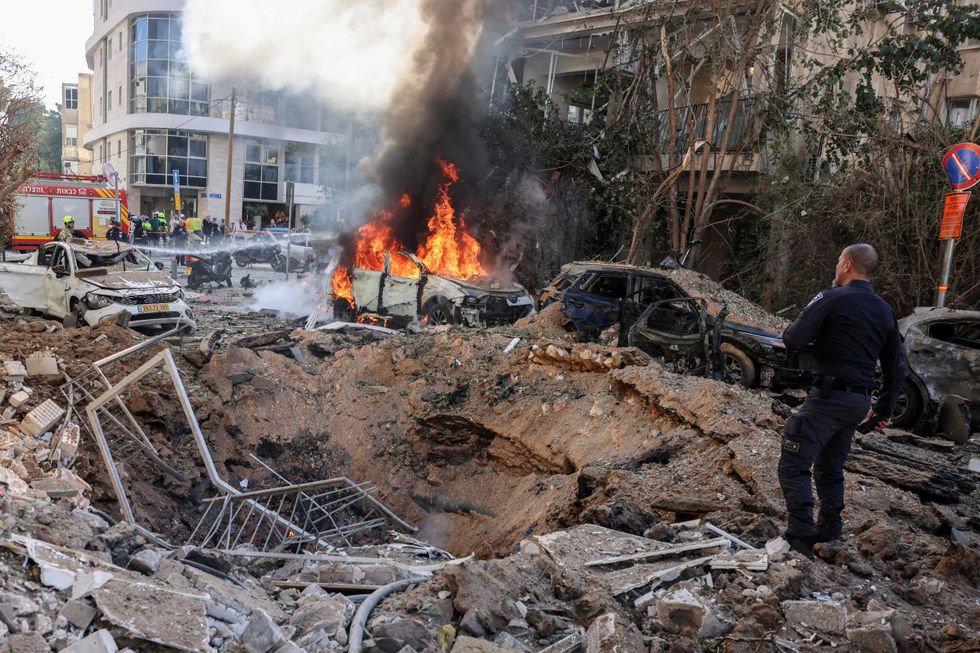
- Iran reportedly destroyed an AN/TPY-2 radar valued at ~$300 million and made by RTX Corp. at Muwaffaq Salti Air Base in Jordan during the opening days of the U.S. invasion that began February 28, 2026.
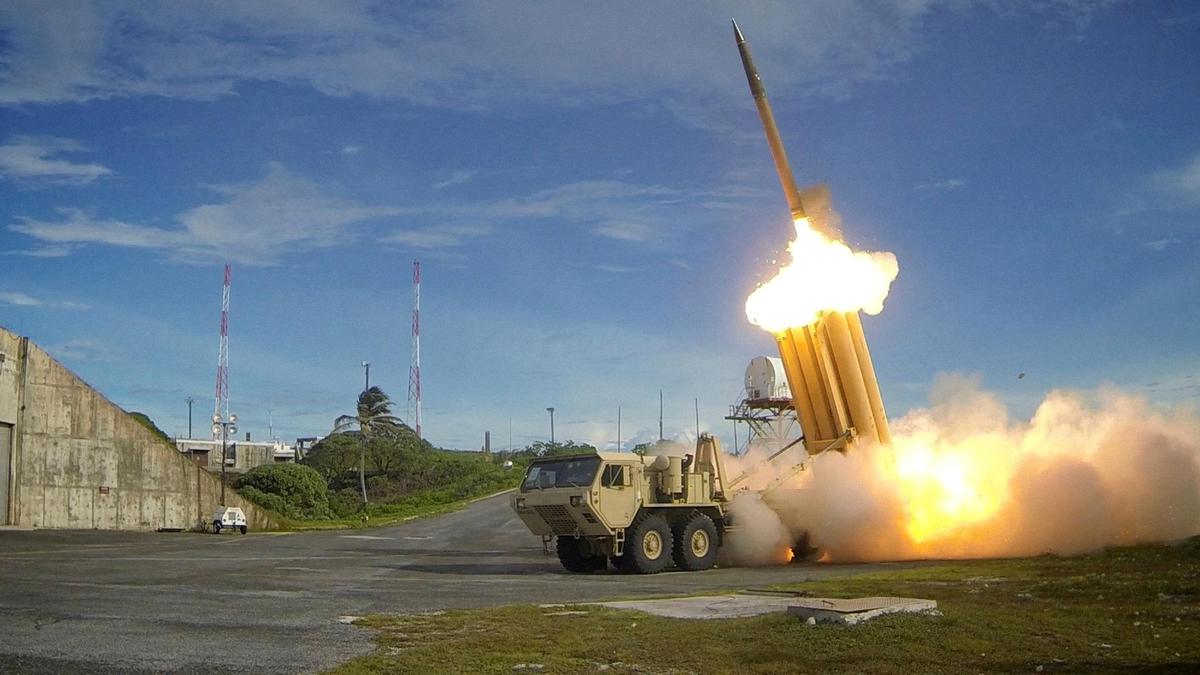
- THAAD uses 'hit-to-kill' kinetic technology, engaging ballistic missiles at ranges of 150–200 km through direct collision rather than explosive interceptors.
- A standard THAAD battery includes ~90 personnel, 6 truck-mounted launchers, and 48 interceptors, and is designed to integrate with Patriot PAC-3 and Aegis BMD systems for layered defense.
- The U.S. deployed additional THAAD batteries to West Asia before launching its invasion of Iran on February 28, 2026, the same conflict now in its second week.
- The UAE became THAAD's first foreign buyer in 2011, with Saudi Arabia following later, while the system's first operational battery was deployed to Guam in 2013.
Why it matters: The destruction of a $300 million AN/TPY-2 radar at a Jordanian base directly degrades Washington's ability to detect and intercept ballistic missiles across the Persian Gulf. With additional THAAD batteries deployed to the region before the February 28 invasion, the loss of a single high-value sensor node — critical for guiding those batteries — demonstrates Iran's ability to target well-protected U.S. defense assets despite THAAD's layered hit-to-kill architecture.
Ask SkimNews