Huawei 5G powers 100 autonomous trucks at Yimin mine — SkimNews
Get the Energy newsletter
Daily energy & climate — solar, EVs, oil, the policy fights and tech bets shaping the transition. Free.
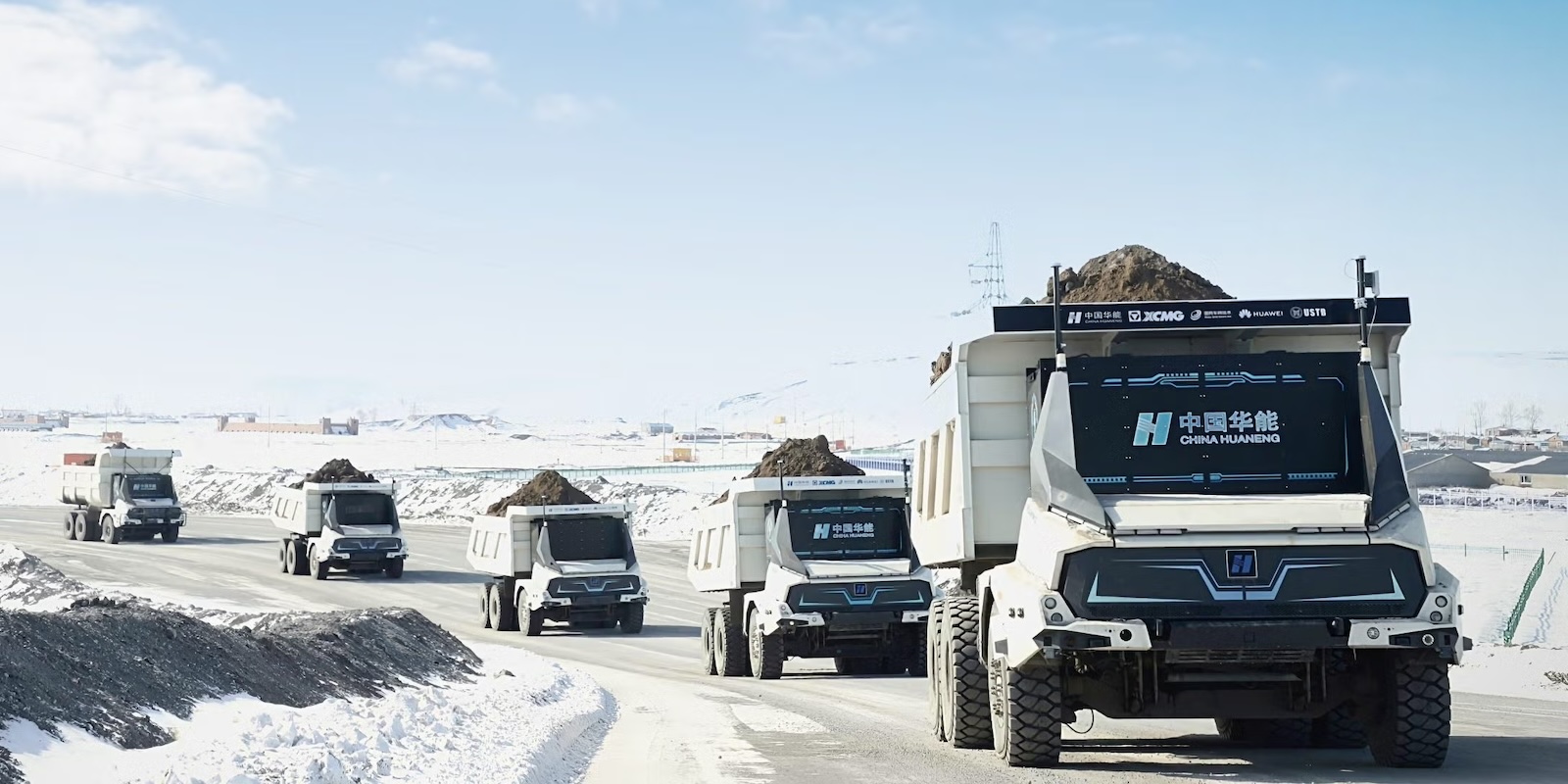
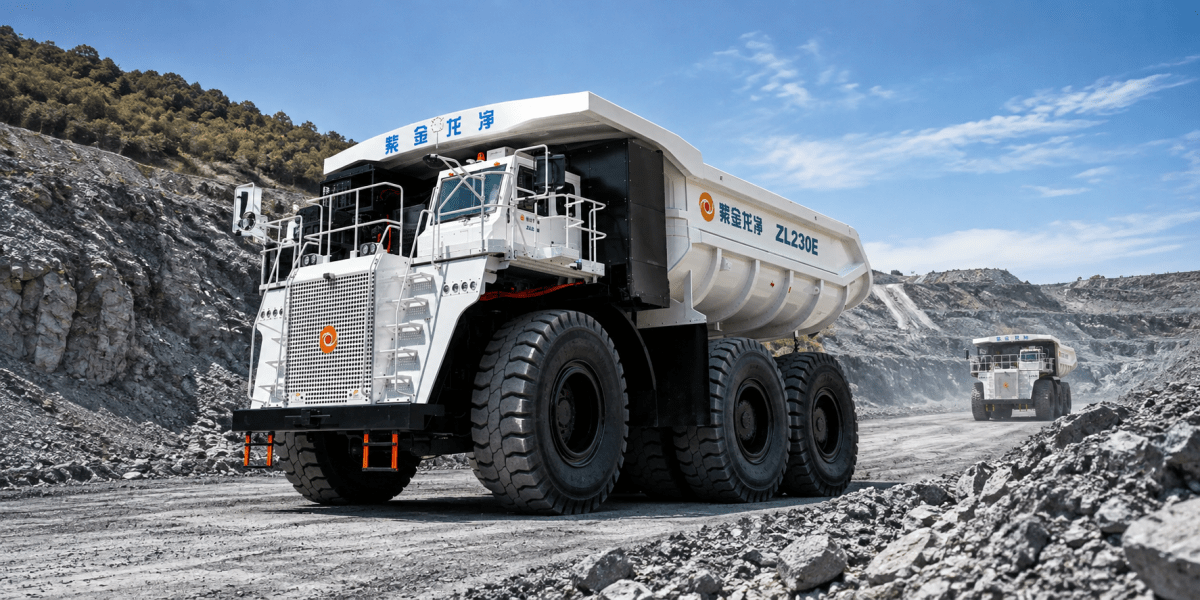
- Huawei's 5G-Advanced network powers 100 Huaneng Ruichi all-electric autonomous heavy haul trucks at Yimin open-pit coal mine in Inner Mongolia, with the fleet claiming world records for payload, speed, and lowest operating temperature per Li Shuxue, chairman of Huaneng Inner Mongolia Eastern Energy.
- The autonomous trucks hit 120% of the performance benchmark set by human-driven diesel trucks at the mine, according to trade publication mine.
- Yimin mine built a fully autonomous battery-swap system that can replace batteries on up to 100 trucks in roughly 5 minutes each with a 98%+ operational success rate, per senior advisor Tang Wensheng.
- Each Huaneng Ruichi truck carries a 568 kWh lithium iron phosphate battery and hauls up to 90 tons, with motors powerful enough to rival ultra-class haul trucks exceeding 3,000 hp.
- The mine previously needed 300 trucks and 1,200 drivers to run around the clock — a workforce footprint the autonomous electric fleet is actively shrinking.
- The deployment fits a broader Chinese government and mining-sector push to integrate AI and advanced connectivity into traditional operations, following port-logistics successes by Hesai and Westwell.
Why it matters: Shrinking the mine's needs from 300 trucks and 1,200 drivers to a smaller autonomous electric fleet cuts diesel consumption and on-site labor, but the article flags a live tension: if AI and digital infrastructure make coal extraction cheaper and safer, that could entrench fossil fuel supply rather than accelerate decarbonization. For China's mining sector, the deployment is validation that AI-driven electrification works at industrial scale.
Ask SkimNews
![Electric haul trucks could save Fortescue over $400 million in fuel per year [update]](https://electrek.co/wp-content/uploads/sites/3/2025/09/liebherr-t264.png?w=1200)