China’s 15th Five‑Year Plan Sets 17% Carbon Cut, No Cap — SkimNews
Get the Energy newsletter
Daily energy & climate — solar, EVs, oil, the policy fights and tech bets shaping the transition. Free.
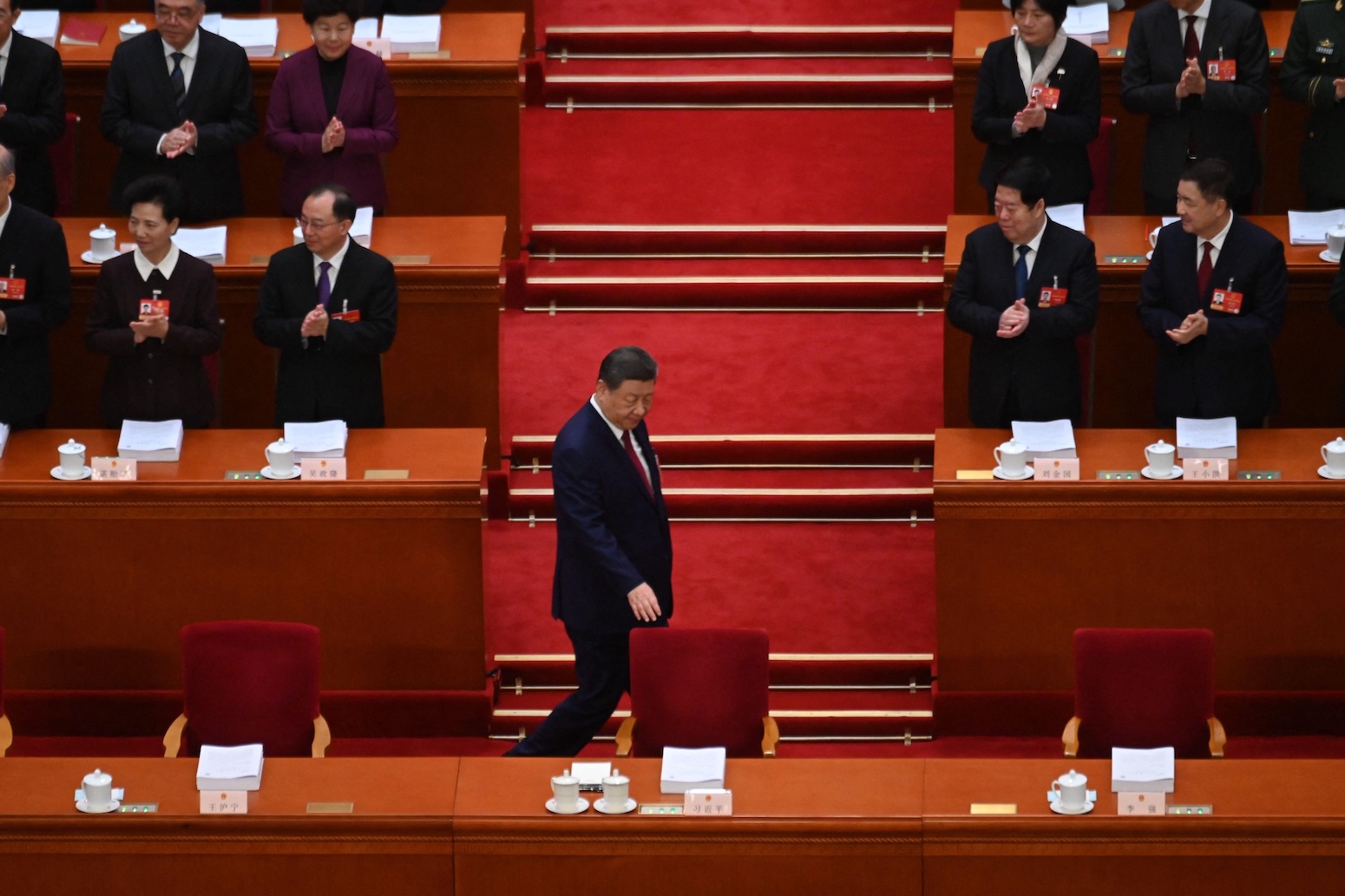
- China’s 15th five‑year plan sets a 17 % carbon‑intensity reduction target for 2026‑30, using a revised methodology that now includes industrial process emissions.
- National Energy Agency officials indicate that sector‑specific five‑year plans will be released for the “new energy system”, electricity and renewable energy, providing more concrete guidance.
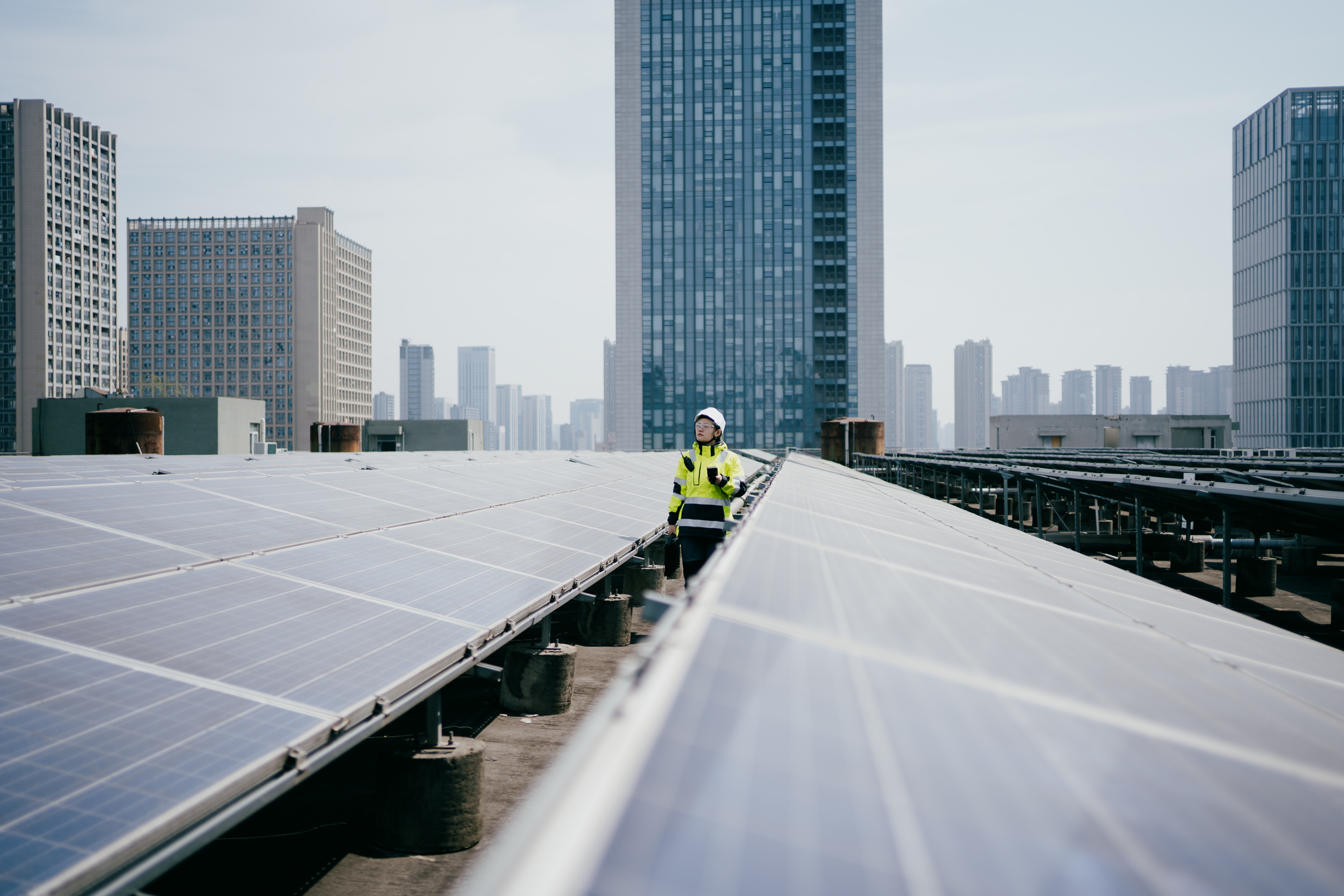
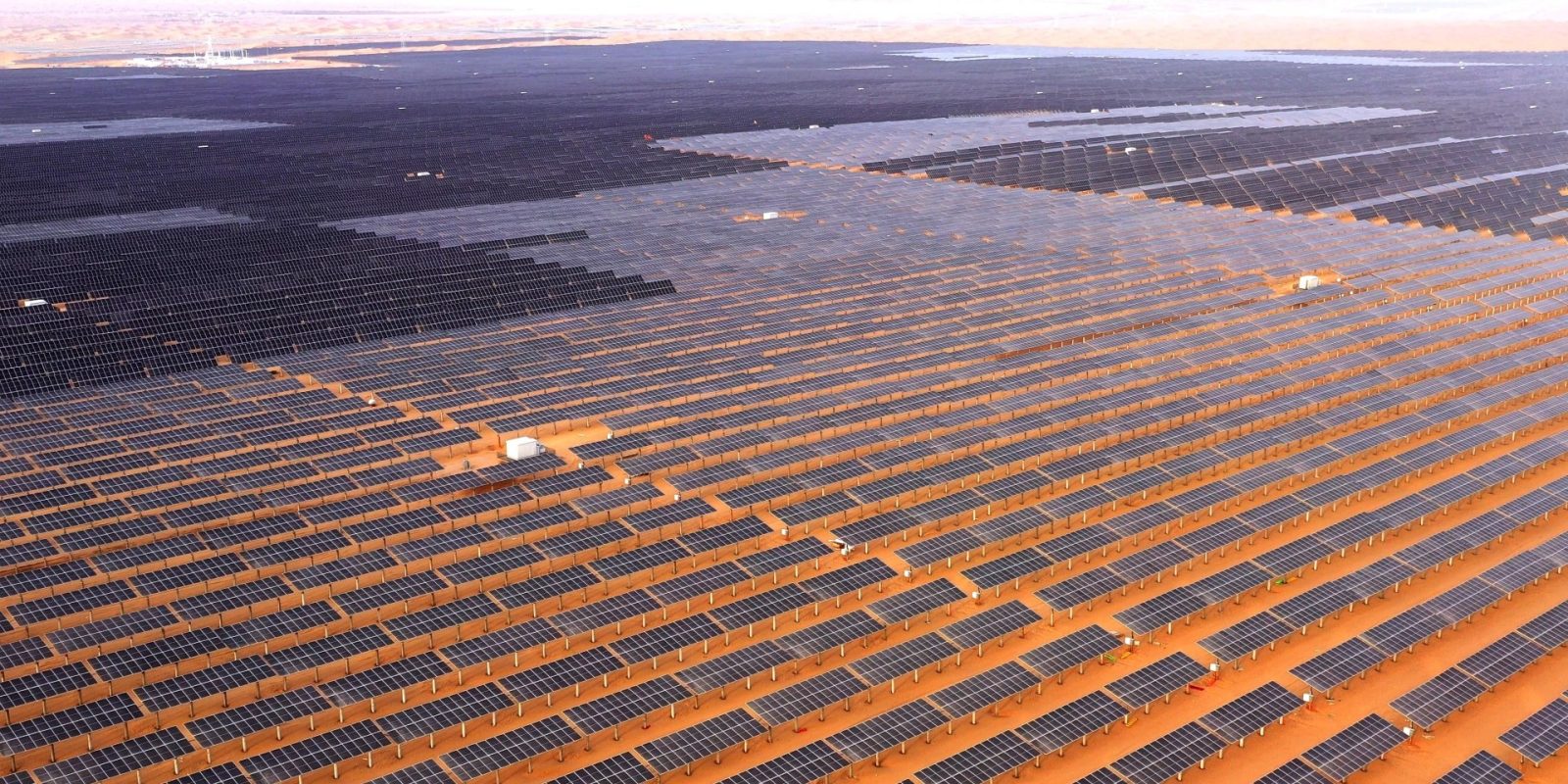
- Li Zheng says the plan reaffirms support for clean‑energy industries such as solar, electric vehicles, hydrogen and new‑energy storage, continuing the clean‑energy buildout.
- Huang Runqiu attributes the shortfall in meeting the previous 18 % carbon‑intensity target to the pandemic, extreme weather and trade tensions, yet claims China remains broadly on track for its 2030 pledge.
- Lauri Myllyvirta warns that the new carbon‑intensity methodology could let total CO₂ emissions rise 3‑6 % over the five‑year period because the plan does not set an absolute emissions cap.
- Asia Society Policy Institute analyst Li Shuo describes the 17 % target as a “quiet recalibration” of Beijing’s climate ambition, highlighting the difficulty of the original 2030 goal.
Why it matters: China’s modest 17 % carbon‑intensity cut, coupled with a revised methodology and no emissions cap, eases pressure on heavy industry and energy security while allowing overall emissions to potentially increase, limiting the climate benefit for global partners and undermining the ambition of its 2030 pledge.
Ask SkimNews