Indians Stranded Israel‑U.S. Strike Sparks Gulf Chaos — SkimNews
Get the Geopolitics newsletter
Daily geopolitics — wars, elections, sanctions, the diplomatic moves that move markets. Free.
- Priti Prakash boarded an Emirates flight from New Delhi to Dubai on Feb 28, but after the Israel‑U.S. strike on Iran the aircraft was ordered to avoid Dubai’s airspace, circled Oman for 30‑40 minutes and finally landed in Dubai.
- Iran retaliated within 24 hours, firing missiles and drones at U.S. bases in Jordan, Kuwait, Bahrain, Qatar, the UAE, Saudi Arabia and Israel, expanding the conflict across the Gulf.
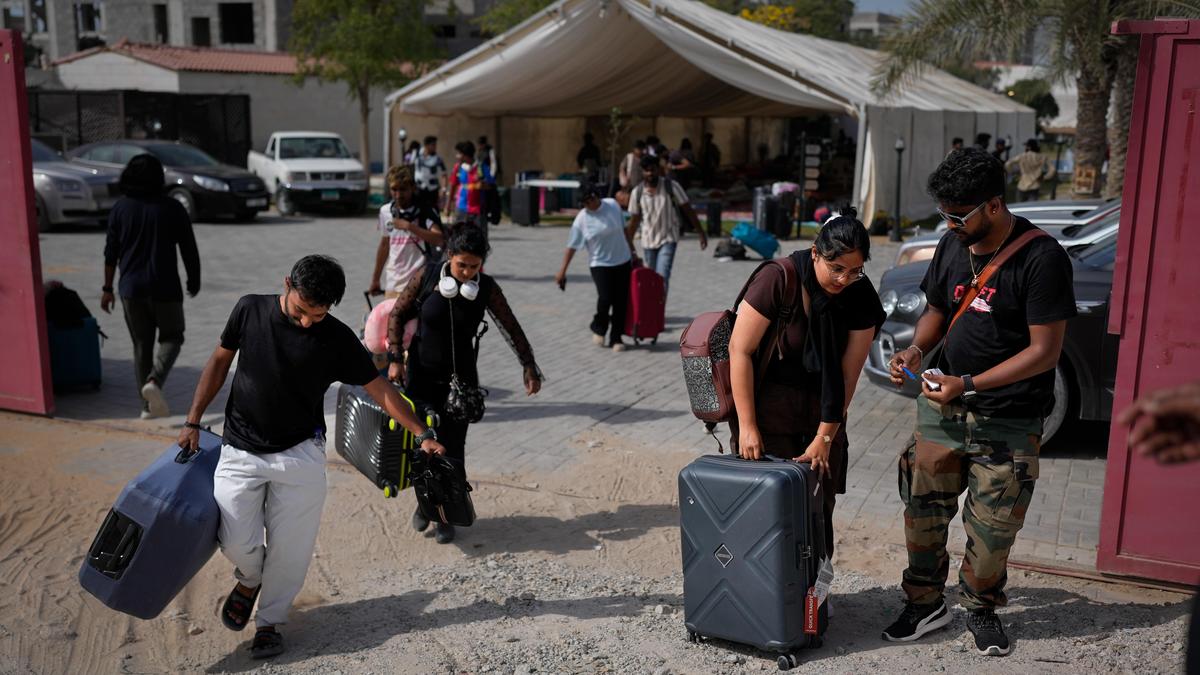
- Dubai airport halted all departures, grounding flights and leaving thousands of Indians stranded; the UAE government told hotels not to evict overstaying guests, but the order applied only to Abu Dhabi, not the rest of the Emirates.
- Ministry of External Affairs estimated that 90 lakh‑1 crore Indian expatriates work in the six GCC states, making them the region’s largest foreign workforce.
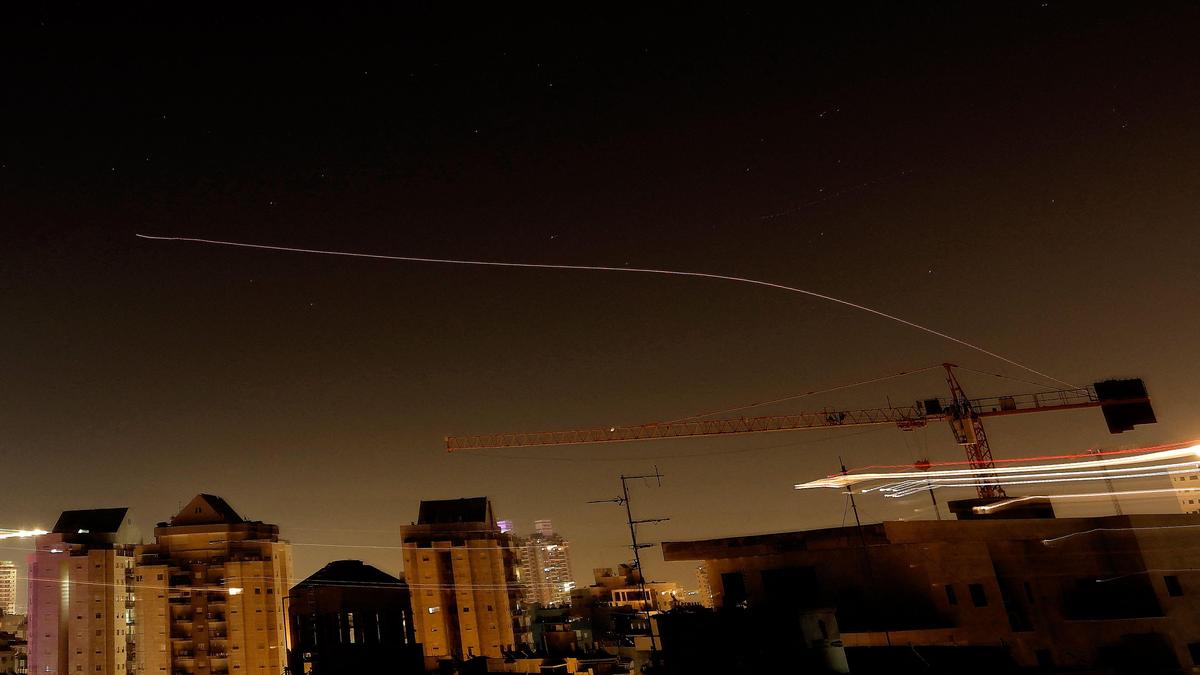
- Brijmohan Singh Raghuvanshi, a Sadhna News journalist, was trapped in Tel Aviv, saw missile interceptions and reported that Israeli authorities released no casualty figures while locals claimed higher death tolls.
- Israel saw essential prices surge, with a bottle of water costing about 12 shekels (₹350) after the war began.
- Annie Mirza, an Indian pilgrim, said relatives in Kuwait and Iran faced internet outages and that Iranian drones were striking U.S. bases in the Gulf.
Why it matters: The conflict’s sudden escalation crippled Dubai’s aviation hub, forcing Indian tourists and workers into limbo and exposing gaps in UAE hotel protection policies, while the surge in prices and lack of casualty data in Israel heighten daily hardships for the sizable Indian diaspora across the Gulf.
Ask SkimNews