U.S. 'Dismayed' as Israel Strikes 30 Iran Fuel Depots — SkimNews
Get the Geopolitics newsletter
Daily geopolitics — wars, elections, sanctions, the diplomatic moves that move markets. Free.
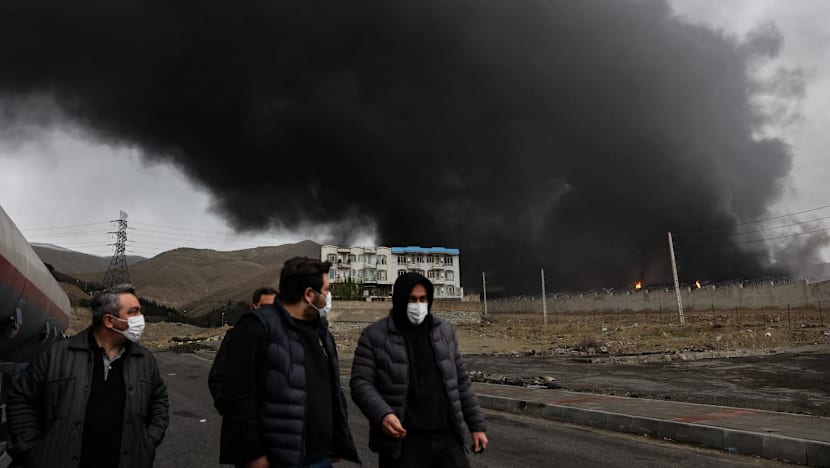
- Israel struck 30 Iranian fuel depots on Saturday, igniting large fires visible for miles across Tehran and blanketing the capital in heavy smoke, with the IDF claiming the depots supply fuel to Iran's military organs.
- U.S. officials expressed rare public displeasure, with a senior official saying "We don't think it was a good idea" and an Israeli official characterizing the American message as "WTF" — the first significant U.S.-Israel disagreement of the eight-day war.
- The IDF notified the U.S. military in advance of the strikes, but American officials said they were caught off guard by how wide-ranging the targeting was.
- President Trump "doesn't like the attack" and "wants to save the oil," according to a Trump adviser who told Axios, reflecting U.S. fears that footage of burning depots could spook energy markets and push prices higher.
- An Israeli military official said the strikes were intended in part to tell Iran to stop targeting Israeli civilian infrastructure, while U.S. officials worry attacks on facilities serving ordinary Iranians could rally public support for the regime.
- Iran's Khatam al-Anbiya headquarters warned that continued attacks on oil infrastructure could trigger retaliatory strikes across the region and push prices to $200 a barrel, with parliament speaker Mohammad Bagher Ghalibaf threatening retaliation "without delay."
Why it matters: The first public U.S.-Israel split in the eight-day war exposes a strategic divide: Trump wants to preserve oil supplies and avoid a popular Iranian backlash, while Israel is targeting fuel infrastructure that could strengthen Tehran's regime. Iran's explicit $200-a-barrel threat gives Washington a concrete economic cost to weigh against its ally's escalation, and U.S. officials say the dispute will be addressed at senior political levels.
Ask SkimNews