Counter-drone tech is gaining major traction
The 30-Second Skim
- What happened: As drones reshape battlefields from Ukraine to the Red Sea, low-cost interceptor drones like Ukraine's $2,100 Sting and Russia's $500 Yolka are emerging as the leading countermeasure, though sensor integration and supply-chain interdiction remain underdeveloped.
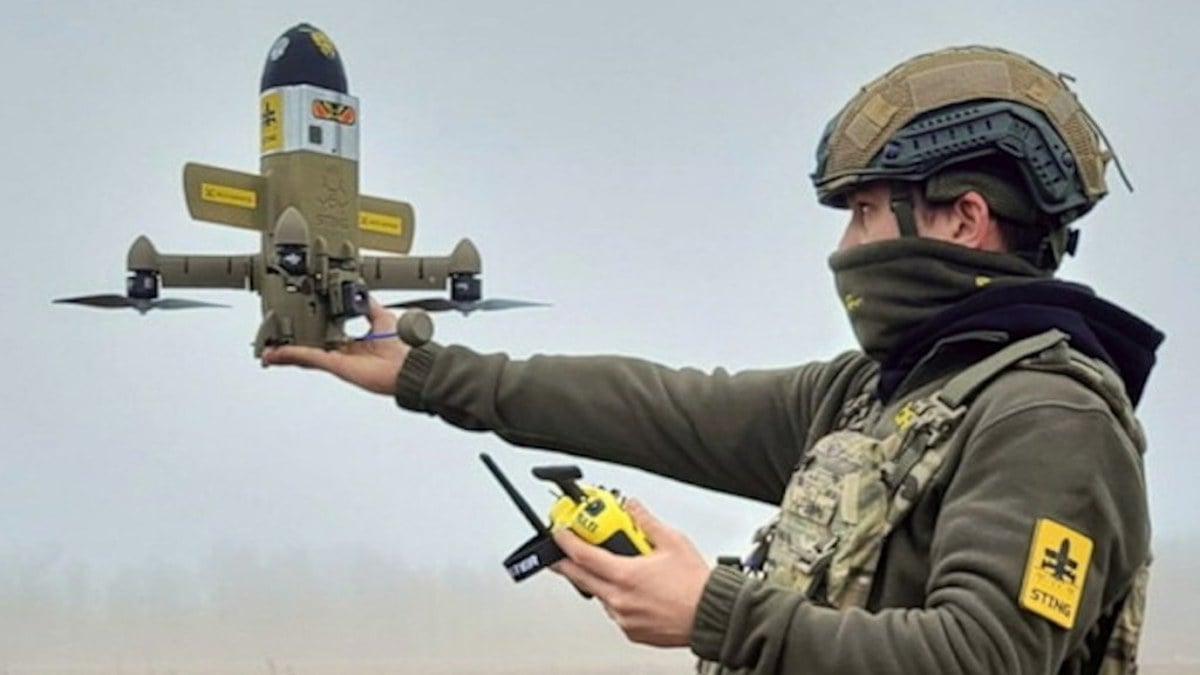
- Key facts & numbers: Ukraine's Sting interceptor costs $2,100, flies at 213 mph with a 20 km radius, and is operated by the 412th Nemesis Brigade, which claims a 95% success rate using AI computer vision to lock onto targets like the Geran 2 — Ukraine is now marketing it to NATO and the Middle East. Russia's Yolka (Fir Tree) is a $500, 1.5 kg man-portable interceptor hitting 300 km/h, but it only works in daylight, cannot be remotely operated (forcing pilots to stay exposed on the front line), and is not integrated with radars or other sensors. Iran launched roughly 1,000 to 1,500 drones at US and allied facilities between February and March 2026, including salvos at the USS Abraham Lincoln that Iran claimed struck the carrier — a claim CENTCOM has fiercely denied.
- What happens next: Buried in here: the US has "hardly tried" to stop the China-to-Russia/Iran drone parts pipeline, and our own components show up in Shaheds. That's the real story.
- Ukraine's Sting interceptor costs $2,100, flies at 213 mph with a 20 km radius, and is operated by the 412th Nemesis Brigade, which claims a 95% success rate using AI computer vision to lock onto targets like the Geran 2 — Ukraine is now marketing it to NATO and the Middle East.
- Russia's Yolka (Fir Tree) is a $500, 1.5 kg man-portable interceptor hitting 300 km/h, but it only works in daylight, cannot be remotely operated (forcing pilots to stay exposed on the front line), and is not integrated with radars or other sensors.
- Iran launched roughly 1,000 to 1,500 drones at US and allied facilities between February and March 2026, including salvos at the USS Abraham Lincoln that Iran claimed struck the carrier — a claim CENTCOM has fiercely denied.
- Houthi forces have repeatedly used long-range kamikaze drones and uncrewed surface vessels against commercial shipping in the Red Sea and Gulf of Aden and claim to have hit and forced the retreat of the USS Harry S. Truman.
Why It Matters
The cost asymmetry is brutal: a $2,100 Sting or $500 Yolka can threaten multi-million-dollar aircraft, ships, and infrastructure, and Ukraine is already exporting that advantage to NATO and the Middle East. The US has been unwilling or unable to cut off the China-linked component supply feeding Russia and Iran, leaving allied militaries dependent on imperfect interception — meaning the drones that slip through 70-85% kill rates will continue to dictate the economics of modern warfare.
Sources Cited
- Asia Times — Counter-drone tech is gaining major traction
Related Coverage
Ask SkimNews