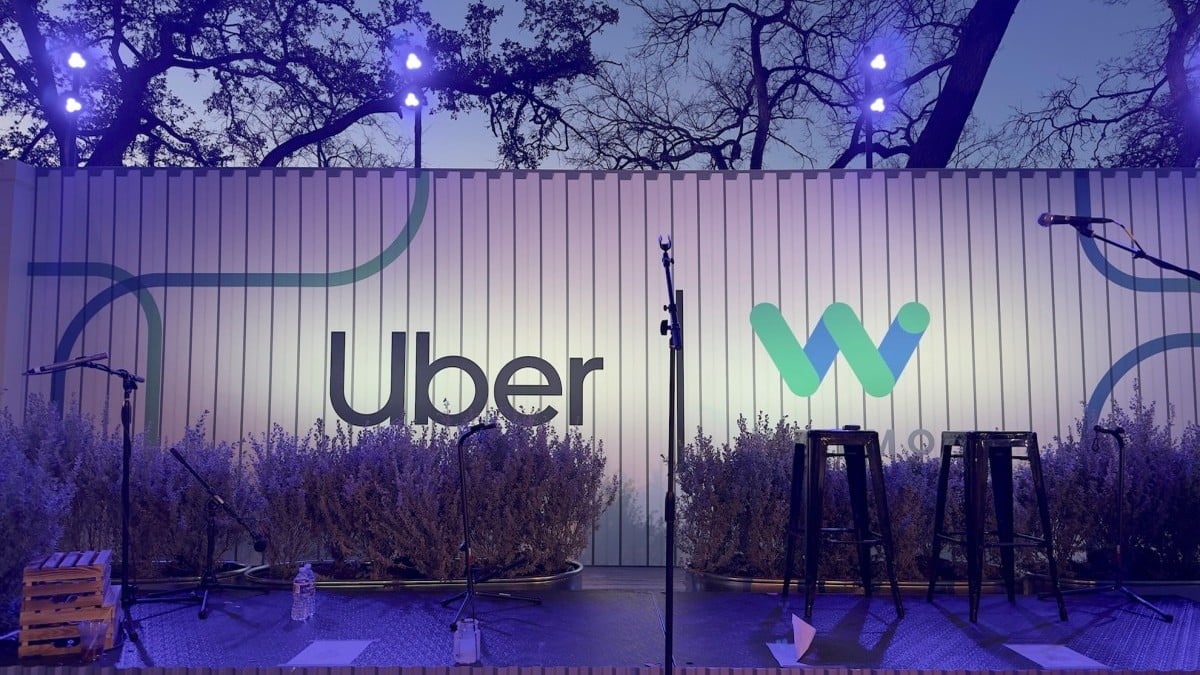
Uber lobbies against D.C. robotaxi bill, clashes with Waymo
The 30-Second Skim7 points
- What happenedUber is lobbying to block a D.C. bill permitting driverless robotaxi operations, pushing instead a "hybrid" model that would force AVs to share ride-hailing platforms with human drivers—a stance that puts it in direct opposition with business partner Waymo.
- Key facts & numbersUber opposes a proposed D.C. bill allowing autonomous vehicle deployment, lobbying instead for a "hybrid" model that would require robotaxis to operate on ride-hailing networks also serving human drivers, according to public records reviewed by TechCrunch. Waymo, which both partners with and competes against Uber, backs the bill and said it would "welcome changes" letting different network types operate in the District, though it denies backing efforts to restrict AVs to specific networks. The bill, introduced by Councilmember Charles Allen in May, would update the Autonomous Vehicle Act of 2012, require $5 million in liability insurance, and levy a $0.15-per-mile VMT tax split between public transit and workforce development for displaced drivers.
- What happens nextUber spent years fighting labor regs; now it's cosplaying the Teamsters to kneecap Waymo. The "hybrid model" is about keeping its app in the middle of every ride.
- Uber opposes a proposed D.C. bill allowing autonomous vehicle deployment, lobbying instead for a "hybrid" model that would require robotaxis to operate on ride-hailing networks also serving human drivers, according to public records reviewed by TechCrunch.
- Waymo, which both partners with and competes against Uber, backs the bill and said it would "welcome changes" letting different network types operate in the District, though it denies backing efforts to restrict AVs to specific networks.
- The bill, introduced by Councilmember Charles Allen in May, would update the Autonomous Vehicle Act of 2012, require $5 million in liability insurance, and levy a $0.15-per-mile VMT tax split between public transit and workforce development for displaced drivers.
- Uber policy chief Javi Correoso told a May D.C. Council roundtable that one AV displaces roughly four drivers and argued robotaxis create congestion by idling and cruising empty between rides.
Why It Matters
The D.C. fight previews a national regulatory battle over who controls the robotaxi stack: the ride-hail platforms that aggregate demand, or the AV operators building the technology. If Uber's hybrid mandate spreads beyond the District, Waymo and other developers would face a binary choice—distribute through Uber's app or employ their own human drivers—undercutting the standalone robotaxi model.
Sources Cited
Related Coverage
Ask SkimNews
The day’s news in one short email, every morning.
Free. One email a day. Unsubscribe in one click.