Deployable reserves shrinking as coal, gas forced outage rates rise: NERC — SkimNews
Get the Energy newsletter
Daily energy & climate — solar, EVs, oil, the policy fights and tech bets shaping the transition. Free.
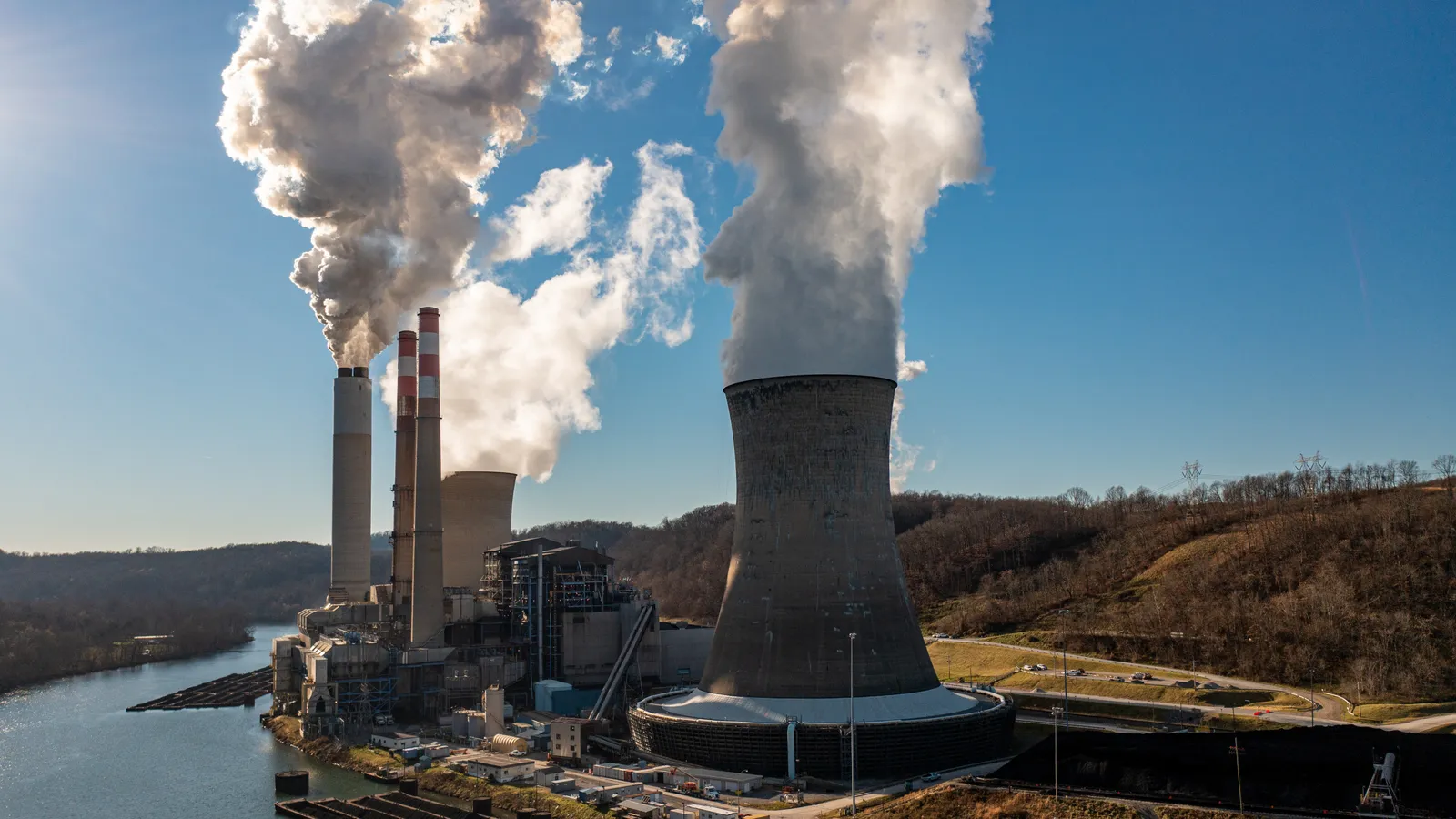
- NERC reported conventional generation availability fell in 2025, with coal unavailable energy rising 39.8 TWh and gas rising 19.1 TWh as the primary drivers.
- Annual weighted equivalent forced outage rates spiked to 9.2% in 2025, compared to historical norms rarely exceeding 8%, with coal and combined-cycle units cited as the primary drivers of the increase.
- Most large coal units are over 40 years old and expected to retire in the relatively near future, and were not designed for the regular cycling that has become an operational requirement, compounding failure likelihood.
- Two February 2025 events in the Eastern Interconnection caused 1.8 GW and 428 MW of data center customer-initiated load reductions from transmission faults, illustrating that reliability challenges from large loads will intensify.
- A January 2025 thermal runaway at a 300-MW battery energy storage facility during routine testing destroyed a warehouse-style installation, a failure mode NERC flagged as a risk unique to BESS.
- NERC concluded the BESS failure does not represent a significant concern to overall system reliability at present, noting battery systems can extend ramp periods for older conventional generators not built to cycle daily.
Why it matters: Grid operators face tighter margins as aging coal and gas units push forced outage rates to 9.2%, above historical norms under 8%, just as data center load reductions during transmission faults show large loads now actively affect grid stability in the Eastern Interconnection.
Ask SkimNews