You have a higher chance of getting cancer at a younger age than your parents. So what went wrong? | Devi Sridhar — SkimNews

Get the Health newsletter
Daily health & science — research, biotech, public health, the studies worth knowing. Free.
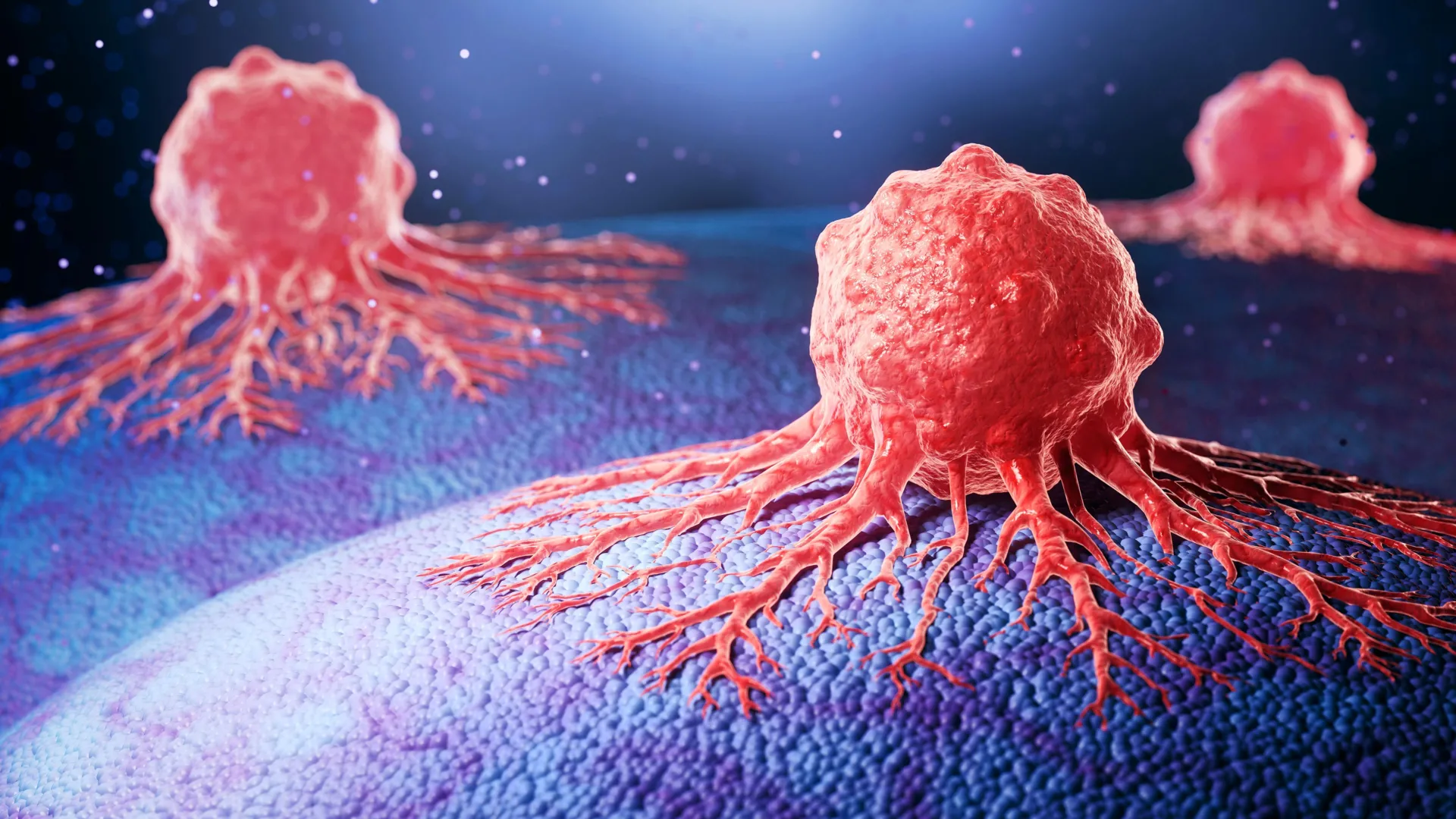
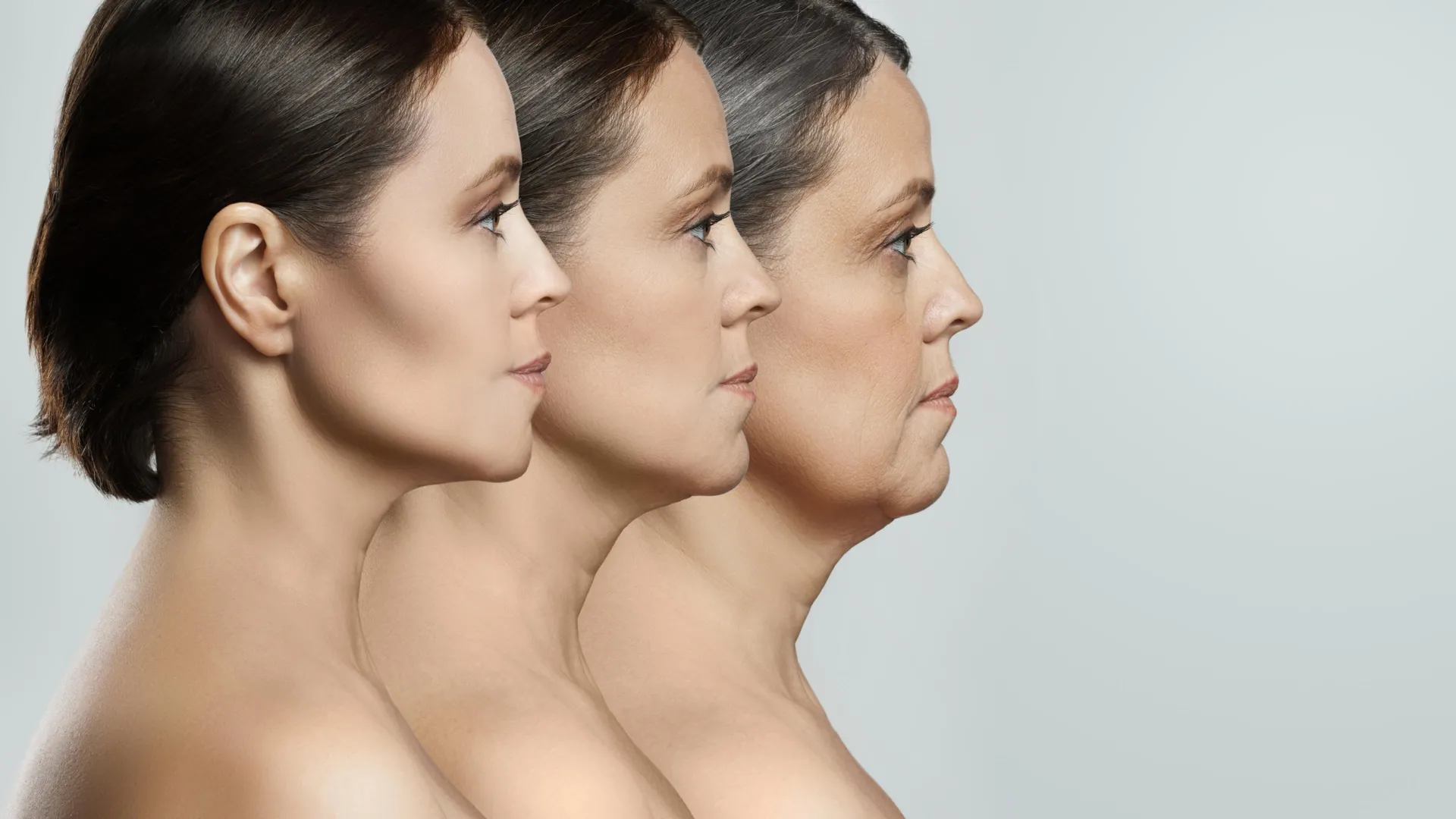
- World Cancer Research Fund analyzed data from England, the U.S., and the Netherlands over 20 years, finding increasing rates of early-onset cancers in people under 50.
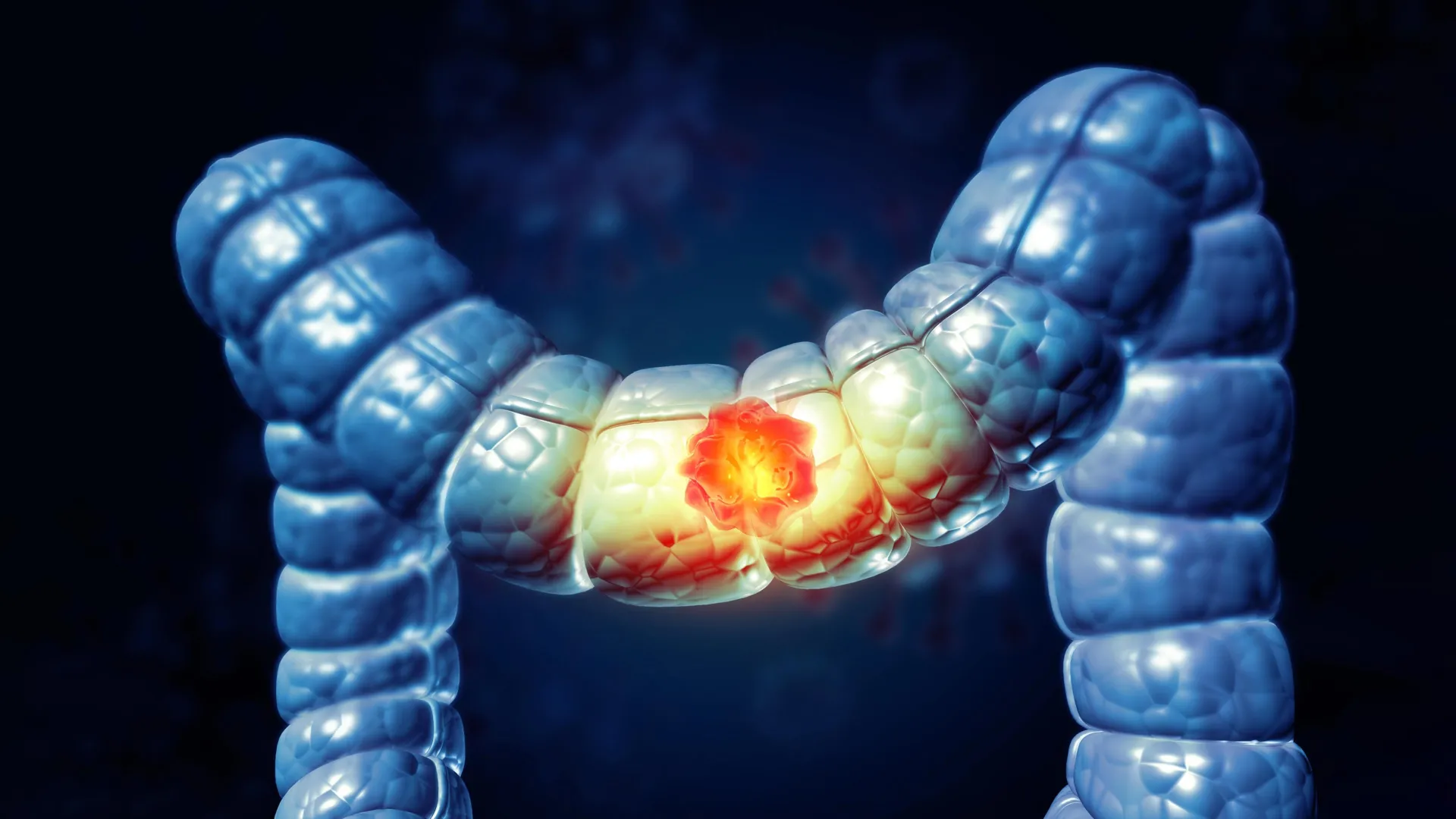
- Breast, bowel, uterine, kidney, liver, pancreatic, and stomach cancers have increased among women under 50 in England, while bowel, kidney, liver, pancreatic, and prostate cancers have risen in men under 50.
- Diet and sedentary behavior are linked to rising obesity, which contributes to chronic inflammation and metabolic dysfunction—both associated with higher cancer risk, with 66% of adults in England overweight or living with obesity as of 2024.
- Environmental toxins such as air and water pollution, plastics, and chemicals are under investigation as potential drivers of early-onset cancers, though no single toxin has been definitively identified.
- Lung cancer rates in young people have improved, attributed to successful anti-smoking campaigns and increased awareness of smoking-related risks.
- Scientists estimate that only 40% of cancers are tied to individually modifiable behaviors like diet or smoking, while the remaining 60% involve genetics, aging, infections, environment, or random chance.
Why it matters: Younger generations now face higher cancer risks than their parents did at the same age, signaling a shift in public health priorities. With obesity and environmental exposures implicated but not fully explanatory, the 66% overweight/obesity rate in England underscores a tangible, modifiable factor—yet the inability to pin down causes complicates prevention strategies and increases uncertainty for millions.
Ask SkimNews