Pinto's Book Spotlights Black Mycologists in a Mostly White Field — SkimNews
Get the Culture newsletter
Daily culture — film, music, books, the trends and ideas worth your attention. Free.
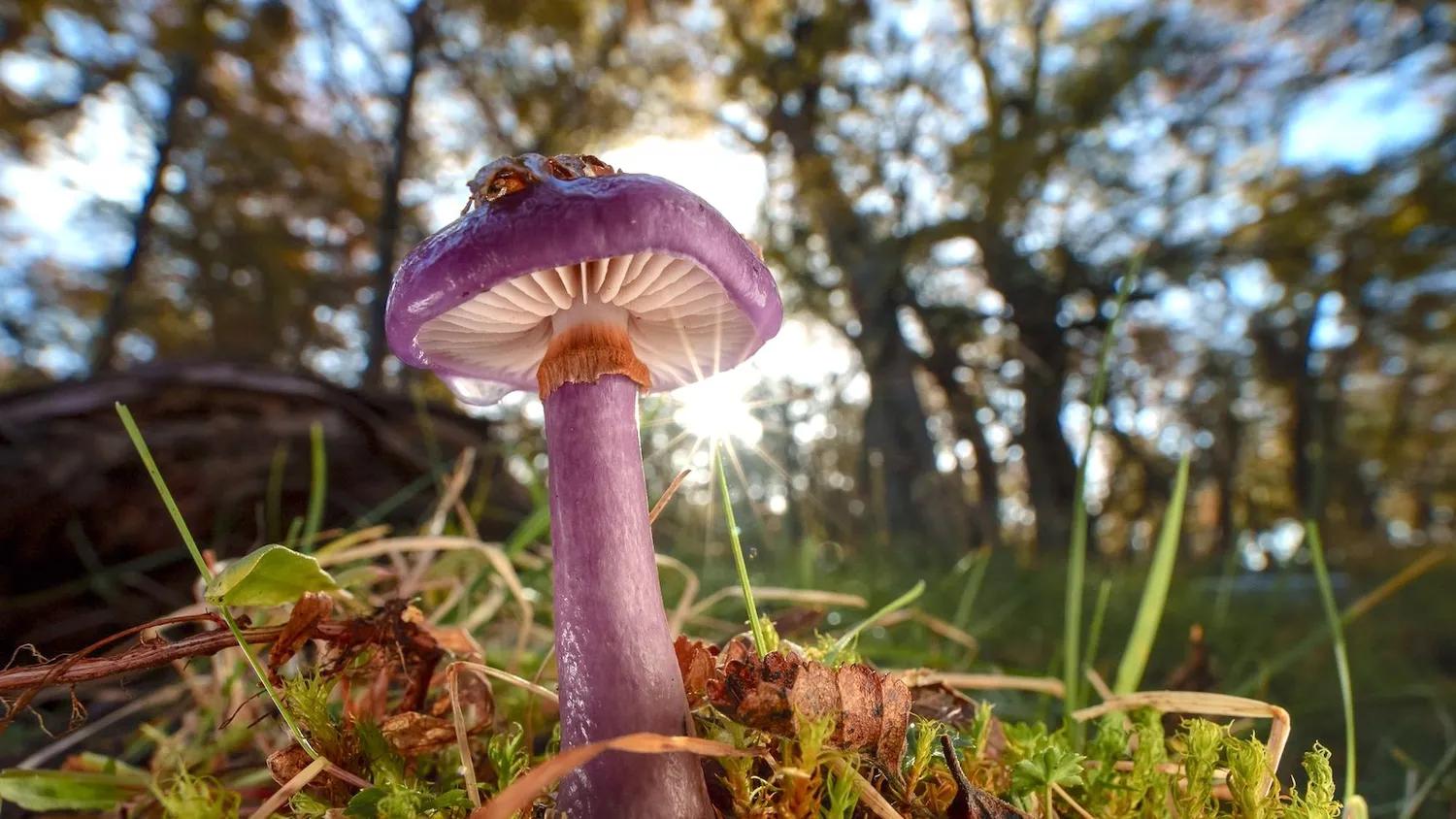
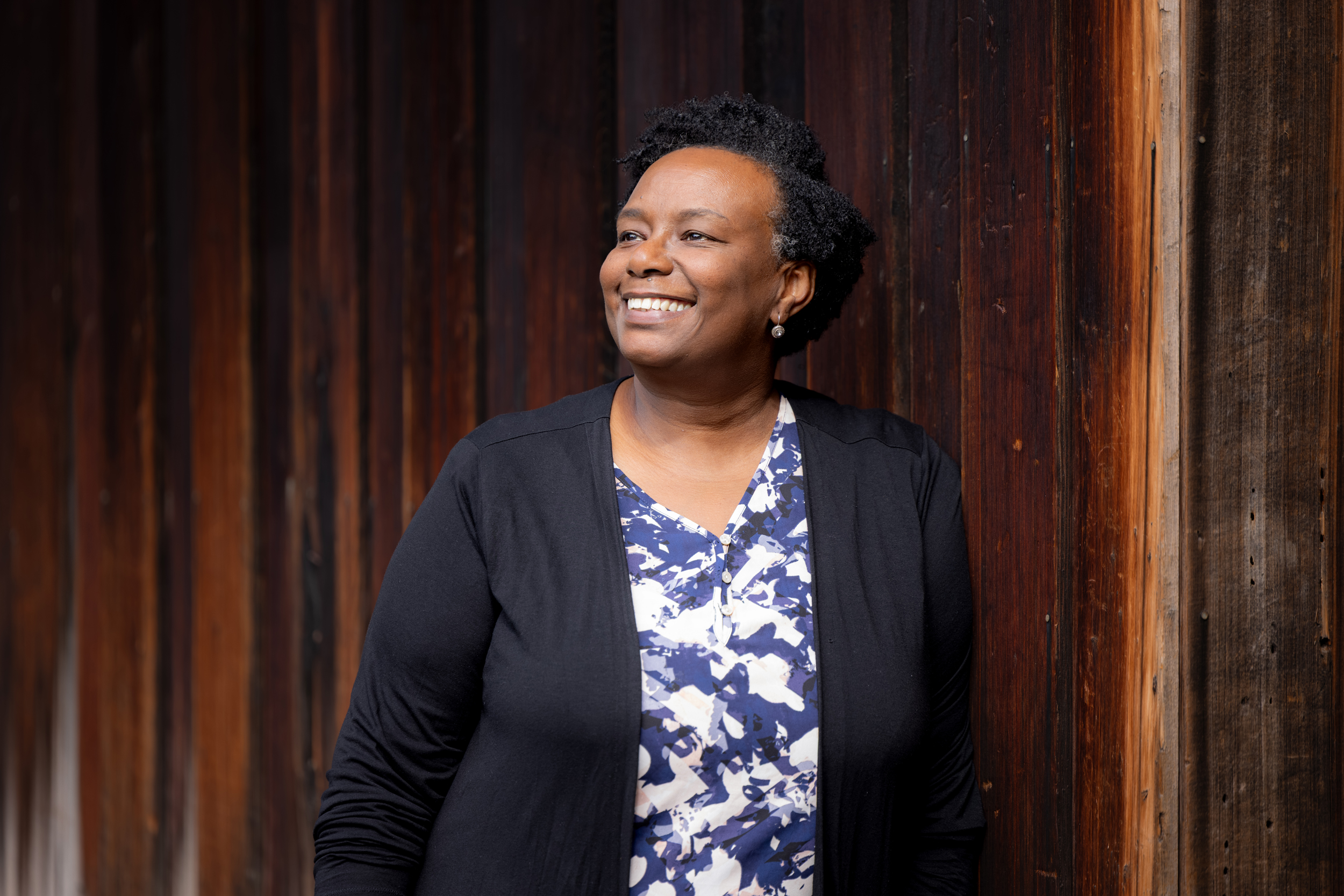
- Maria Pinto, a Jamaican American naturalist and writer, discovered a yellow fly agaric mushroom in Newton, Massachusetts, in 2013 — an encounter that launched her mycology career and her University of North Carolina Press book "Fearless, Sleepless, Deathless."
- Pinto's research documents how formerly enslaved Africans consumed Wolfiporia, an underground fungus that resembles a small coconut, with Native Americans helping them locate the nutrient source to survive winters without signaling their hiding spots.
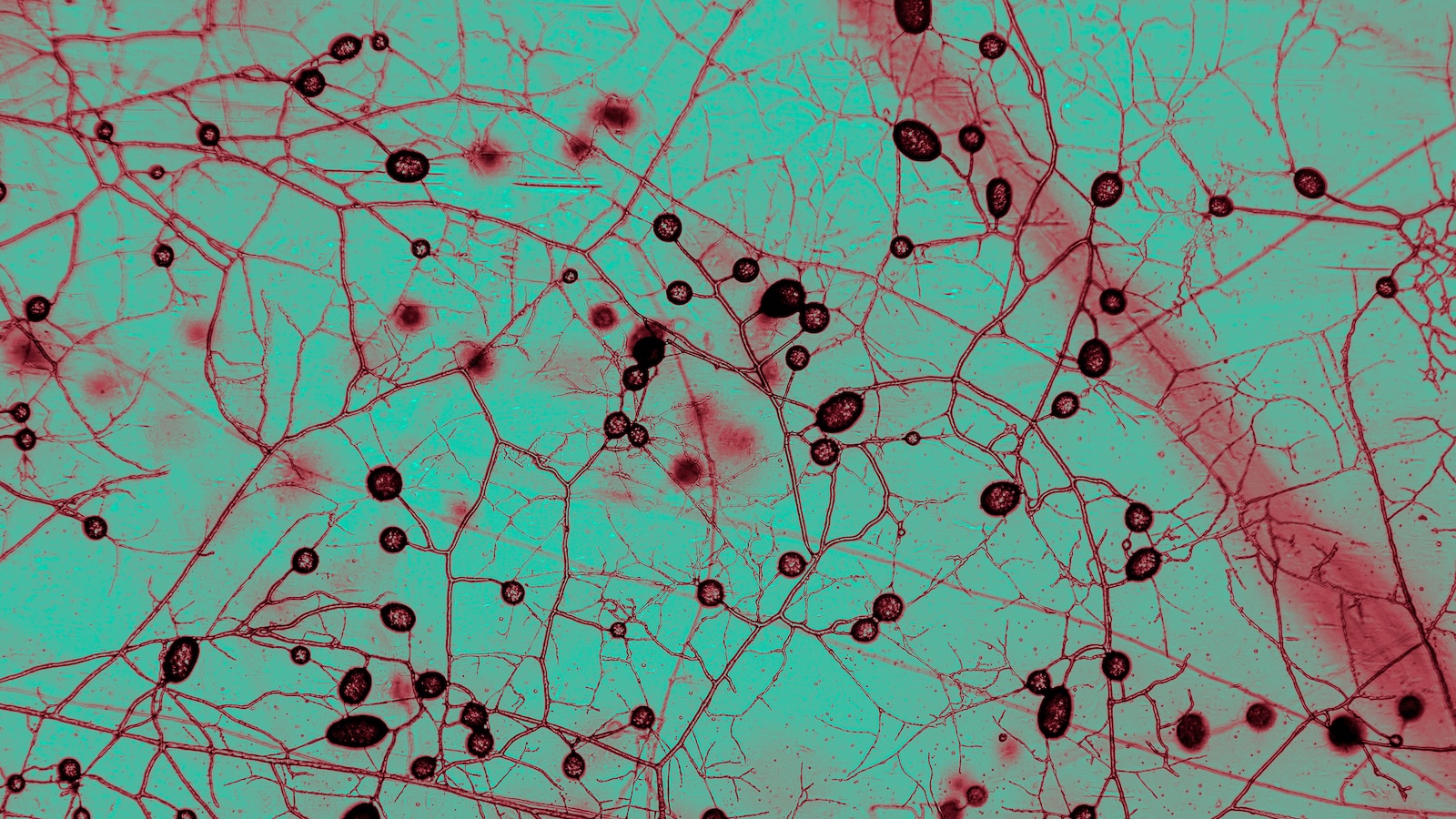
- Mycology remains wide open: only about 5% of an estimated 3 million fungal species have been described, and fungi was not recognized as a distinct biological kingdom until 1969, leaving heavy lifting to citizen scientists like Pinto, Elan Hagens and William Padilla-Brown.
- Elan Hagens, an Oregon ecologist and former reality-TV dog trainer, founded Temptress Truffles in 2011 after learning that dogs could be trained to locate underground fungi; she now hosts mushroom identification and cultivation workshops.
- William Padilla-Brown, founder of the annual MycoFest festival and the MycoSymbiotics cultivation company, received a $26,000, two-year USDA grant to study native truffle cultivation in the north-east US; this year's MycoFest runs July 31–August 2 in Artemas, Pennsylvania.
- Pinto says Black mushroom enthusiasts exist in "isolation around the country" with no concerted effort to connect them, and her book recovers overlooked Black contributors to mycology including US Forest Service microbiologist Thelma Perry and George Washington Carver, who collected more than 1,000 fungal specimens.
Why it matters: The piece shows that even in fast-growing citizen-science fields, racial representation gaps persist — Pinto, Hagens and Padilla-Brown are simultaneously building infrastructure (a published book, an annual festival, a USDA-funded truffle study) while documenting a long African diasporic relationship with fungi that mainstream mycology has largely ignored.
Ask SkimNews