Protective Brain Cells Found to Fuel Cognitive Decline — SkimNews
Get the Health newsletter
Daily health & science — research, biotech, public health, the studies worth knowing. Free.
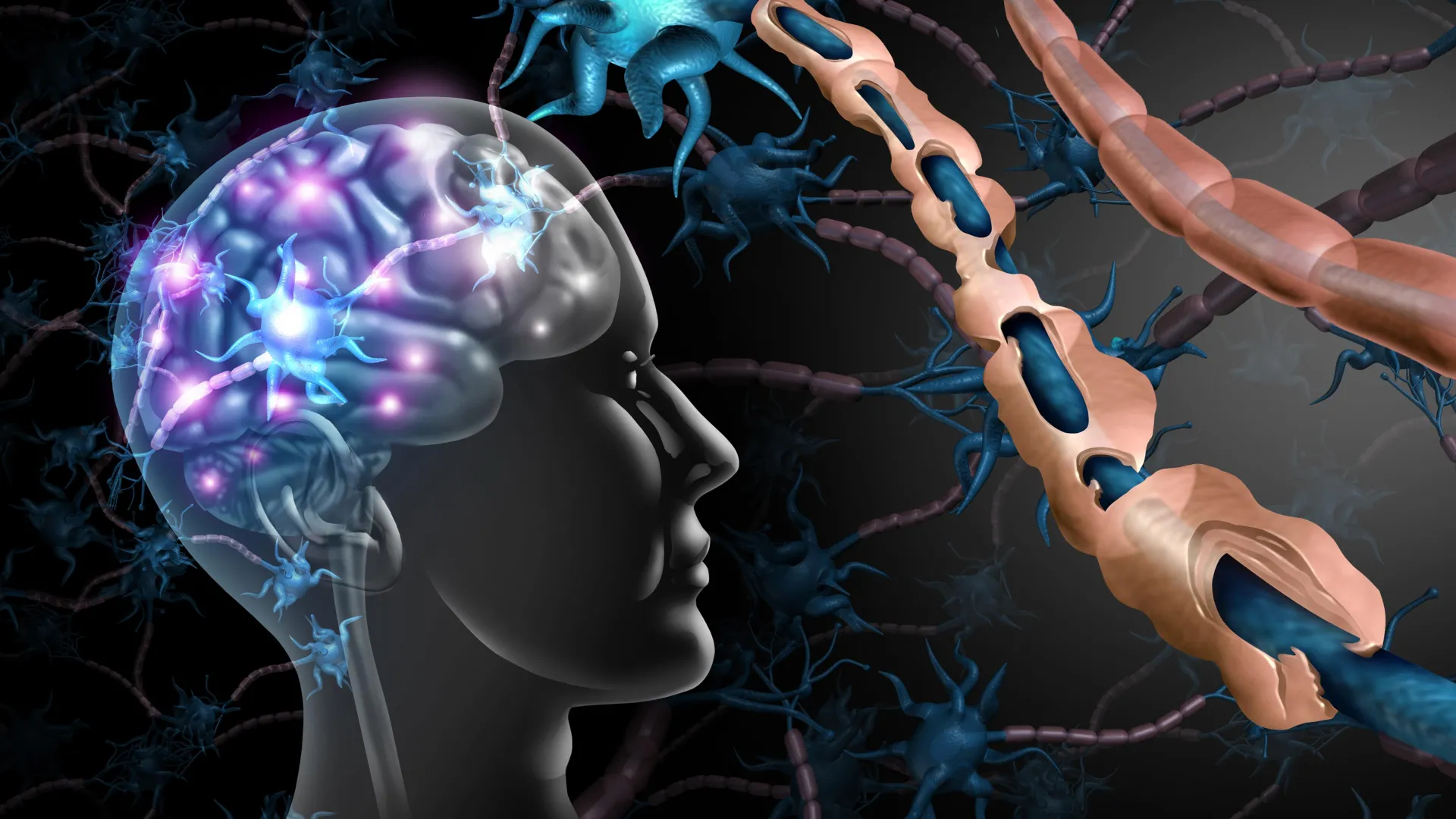
- University of Edinburgh researchers published in Nature Medicine evidence that oligodendrocytes, traditionally viewed as protective, can turn dysfunctional with age and generate abnormal myelin that damages large nerve fibers in the brain.
- The study drew on the Lothian Birth Cohort 1936, tracking 1,091 participants from childhood into old age; 866 completed cognitive assessments after age 70, with brain tissue examined post-mortem from a subset to correlate decline rates with neural changes.
- Georgina Craig, the study's first author, said the findings "fundamentally shifted how we think about these brain cells in aging," showing individuals with faster cognitive decline had fewer large nerve fibers and unhealthy myelin accumulation.
- Scientists found lower levels of the protective protein NRF2 inside oligodendrocytes of people with more severe decline; mouse experiments confirmed that reducing NRF2 in those cells alone caused excessive myelin, nerve fiber loss, and reduced cognitive performance with age.
- The NRF2 pathway is already targeted by drugs used to treat multiple sclerosis, and Veronique Miron of the UK Dementia Research Institute said prior studies showed boosting NRF2 improved cognition in MS patients — raising the possibility of repurposing those medications for age-related decline.
- The work was funded by the UKRI Medical Research Council and the Canadian Institutes of Health Research, with collaborators from Northwestern University and St. Michael's Hospital Toronto alongside Edinburgh researchers.
Why it matters: With no existing treatments for age-related cognitive decline and a growing aging population, the discovery identifies a concrete drug-repurposing target — the NRF2 pathway — already modulated by multiple sclerosis medications tested in humans, potentially shortening the path to clinical trials for protecting memory in older adults.
Ask SkimNews