FTL1 Drives Brain Aging — Reducing It Reverses Memory Loss — SkimNews
Get the Health newsletter
Daily health & science — research, biotech, public health, the studies worth knowing. Free.
- UCSF scientists identified FTL1 as the only protein consistently elevated in the hippocampi of old mice, tracking alongside fewer neuronal connections and worse performance on cognitive tests.
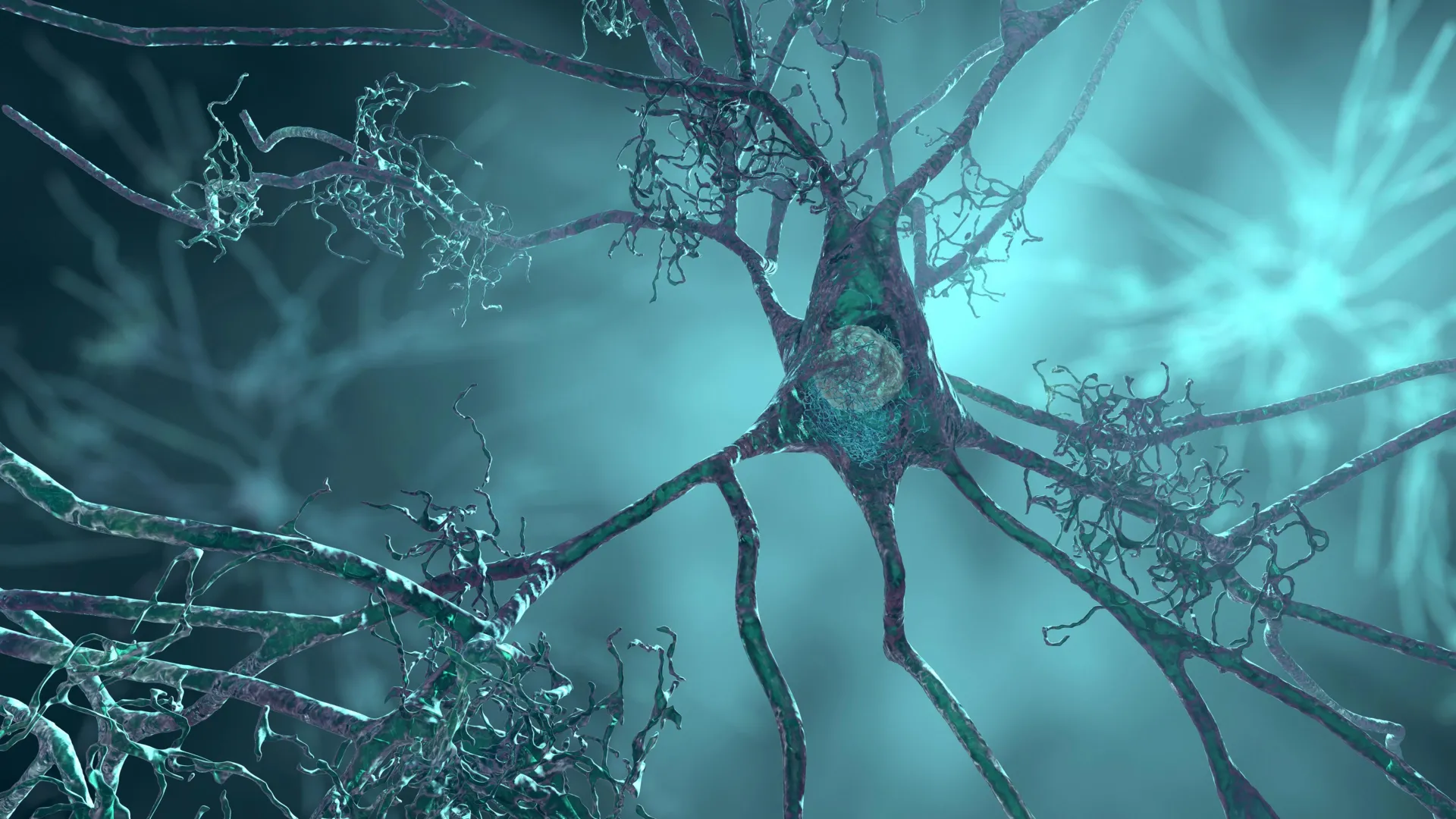
- Boosting FTL1 in young mice caused their neurons to develop simplified structures with short, single extensions instead of complex branching networks, and made their brains function like those of older animals.
- Reducing FTL1 in older mice reversed cognitive impairment — neuronal connections increased and memory test scores improved — which senior author Saul Villeda called a true reversal rather than merely delaying symptoms.
- FTL1 also slowed cellular metabolism in the hippocampus of old mice, but treating cells with a metabolism-boosting compound prevented the protein's negative effects on brain function.
- The findings were published in Nature Aging (DOI: 10.1038/s43587-025-00940-z) by a 17-author UCSF team funded by the Simons Foundation, NIH (grants AG081038, AG067740, AG062357), the Bakar Family Foundation, and the National Science Foundation.
Why it matters: UCSF researchers pinpointed a single protein, FTL1, whose reduction in old mice reversed hippocampal memory decline and restored neural connections rather than just slowing progression. Published in Nature Aging with NIH and Simons Foundation funding, the work gives drug developers a concrete molecular target for the cognitive decline that affects tens of millions of aging adults.
Ask SkimNews