To cull or not to cull: Greenland debates fate of world’s slowest shark — SkimNews

Get the Energy newsletter
Daily energy & climate — solar, EVs, oil, the policy fights and tech bets shaping the transition. Free.
- Avannaata municipality approved a plan to cull 1,000 Greenland sharks at 300 krone per heart, but the central government questioned its legality and the scheme was dropped, though a future cull remains possible.
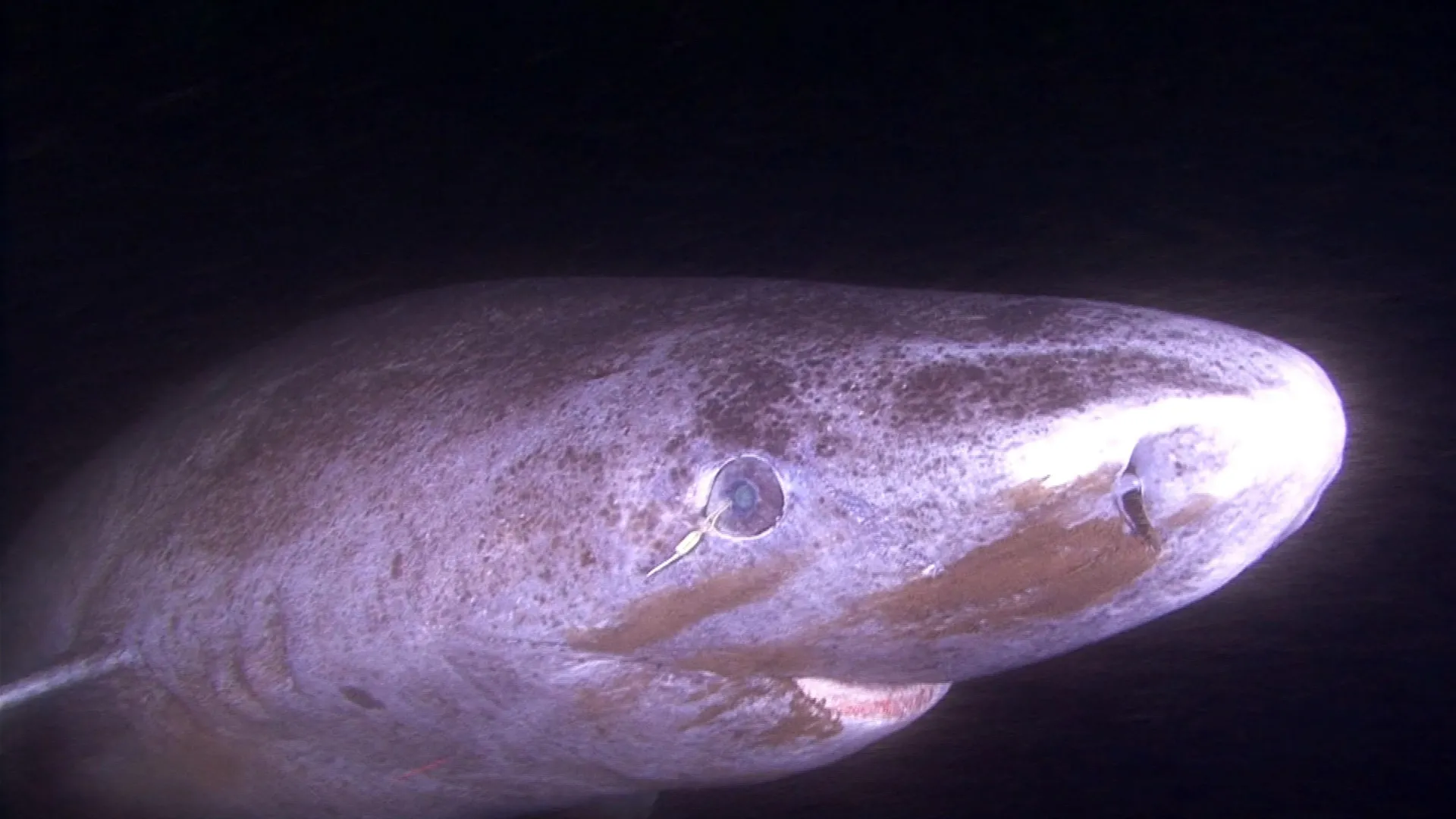
- Greenland sharks can live more than 400 years and reach sexual maturity at around 150, making them "probably the most sensitive species in the ocean to overfishing," according to Prof. Nick Dulvy of Simon Fraser University.
- Halibut fishers in Ilulissat report severe losses, with Henrik Jensen saying he lost 6,000 hooks this year and as much as 30,000 Danish krone (£3,440) per day when sharks cut his lines.
- Oceans North Kalaallit Nunaat (ONKN) argues culling is futile because Greenland sharks migrate up to 1,200 miles (2,000km) annually, meaning removed individuals would be replaced by arrivals from other regions.
- A 1986–2001 scheme in the former Uummannaq municipality collected 19,697 shark hearts under a similar bounty, while an earlier 2000s program in the former Aasiaat municipality paid 200 krone per heart.
- ONKN director Jenseeraq Poulsen frames the sharks as "the visible, tangible version of a problem whose real drivers are structural," noting fishing accounts for roughly 25% of Greenland's GDP and that inshore fishers face quota pressure, rising costs, and declining average halibut size.
- Proposed alternatives include Halibut Greenland's funded ghost-gear cleanup, a gear-loss compensation program, trials of acoustic shark deterrents, and new bycatch-friendly equipment regulations from the Ministry of Fisheries.
Why it matters: The debate exposes a structural squeeze on Greenland's inshore fishers — quota pressure, rising costs, and shrinking halibut — with the shark serving as a scapegoat rather than the root cause. With globally only ~3,500 Greenland sharks caught annually as bycatch and the species not reaching maturity until age 150, any future cull risks irreversible damage to a population still recovering from 19th- and 20th-century targeted fishing (peak: 58,000 landed in 1948).
Ask SkimNews