Canada Sends Federal Aid as BC Wildfires Force 22,000 to Flee — SkimNews

Get the Energy newsletter
Daily energy & climate — solar, EVs, oil, the policy fights and tech bets shaping the transition. Free.
- Canada's federal government approved an assistance request from BC to provide shelter and accommodations for evacuees, with Emergency Management Minister Eleanor Olszewski directing the Government Operations Centre at Public Safety Canada to coordinate support.
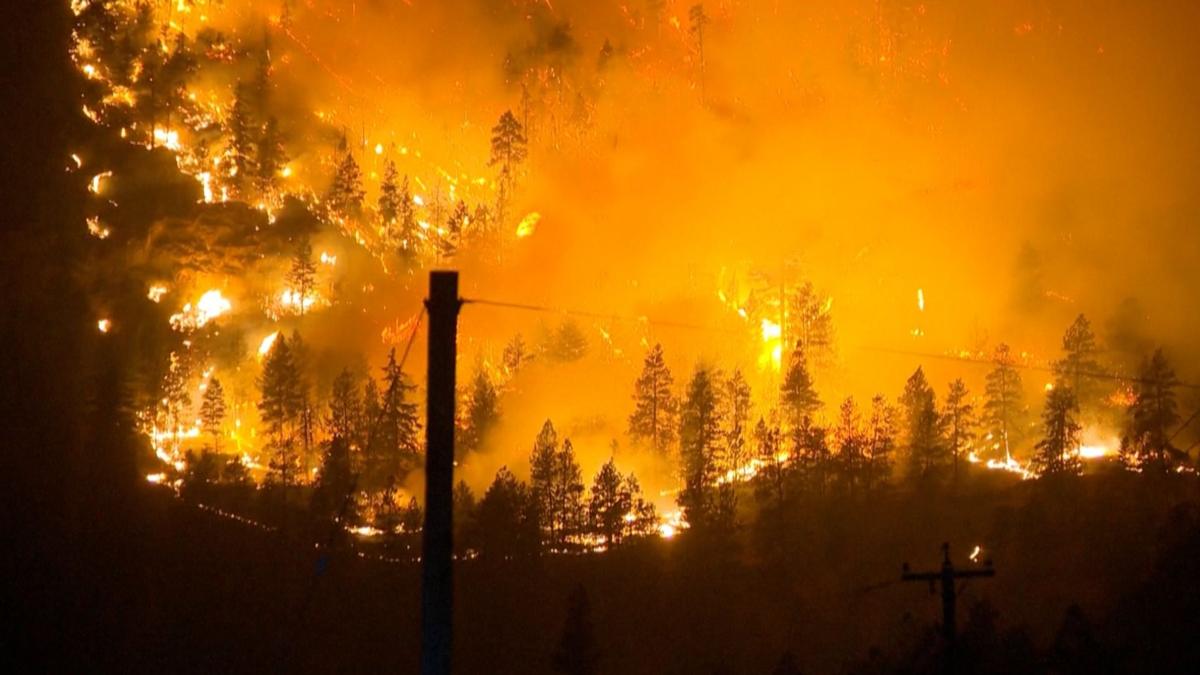
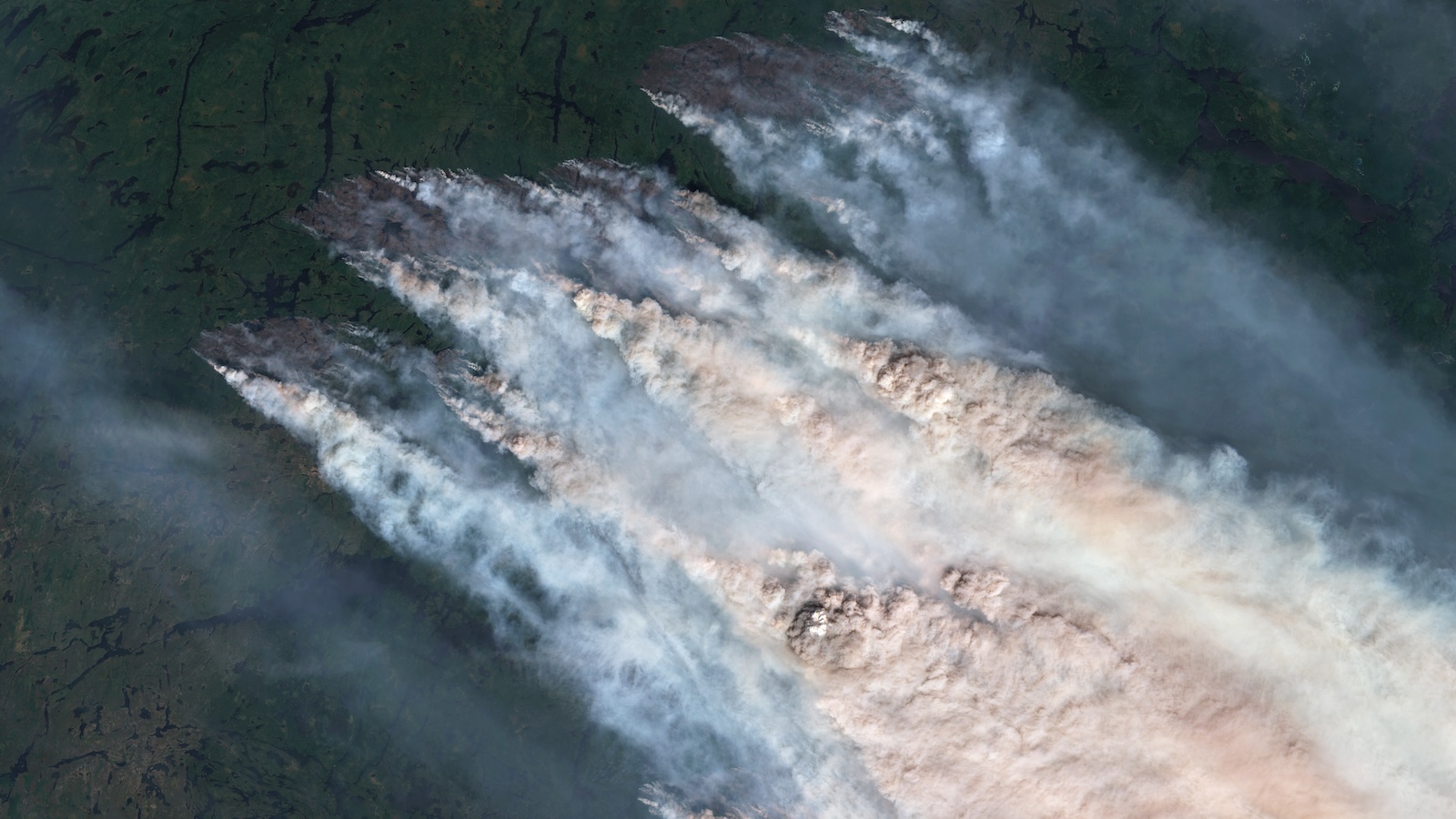
- 102 wildfires were burning across BC on Sunday, nearly half classified as "out of control," with 78 of them igniting within the past week, according to the BC Wildfire Service.
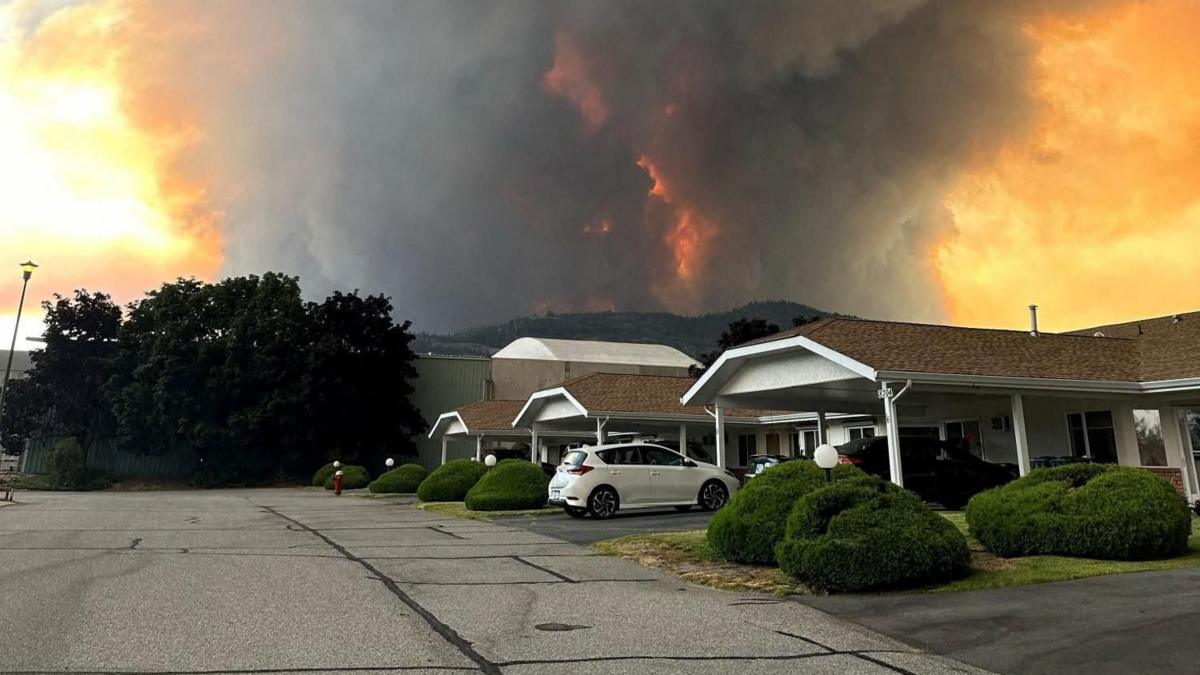
- The community of Summerland (~12,000 residents) was evacuated overnight Saturday along with roughly 8,000 others in nearby Peachland, while another 10,000 were placed on standby to flee at a moment's notice.
- The Bald Range wildfire grew within hours of its Friday evening detection to more than 40 square miles — nearly twice the size of Manhattan — as it raced nine miles toward Okanagan Lake.
- BC Premier David Eby declared a provincial state of emergency late Saturday, calling the blaze "like a bomb going off," and an 80-year-old woman died while trying to escape the fire zone.
- Wildland fire professor Mike Flannigan of Thompson Rivers University warned that fires can now travel 60km in a day and burn through the night, rendering traditional firefighting assumptions obsolete, and directly linked the conditions to human-caused climate change.
- Flannigan said BC and the US Pacific Northwest have gone up to six weeks without rain, warning that like California, Canada may begin to experience "fire years" rather than a summer fire season.
Why it matters: BC is confronting an unprecedented simultaneous emergency — 22,000 displaced in one weekend, 47 of 102 active fires out of control, and one death already reported — while expert Mike Flannigan says the province's old operating rule (a 20km fire buffer) and old safety windows (night-time fire lulls) no longer apply, forcing emergency planners to redo response playbook assumptions and prompting federal intervention under the Emergencies Act framework.
Ask SkimNews