SolarEdge says its new ‘Lego-like’ home battery installs in under 30 minutes — SkimNews
SkimNews Take
The 30-minute install pitch sidesteps the certified-electrician labor bottleneck that has throttled residential battery deployment, reframing battery setup closer to an appliance swap than a custom electrical job.
Get the Energy newsletter
Daily energy & climate — solar, EVs, oil, the policy fights and tech bets shaping the transition. Free.
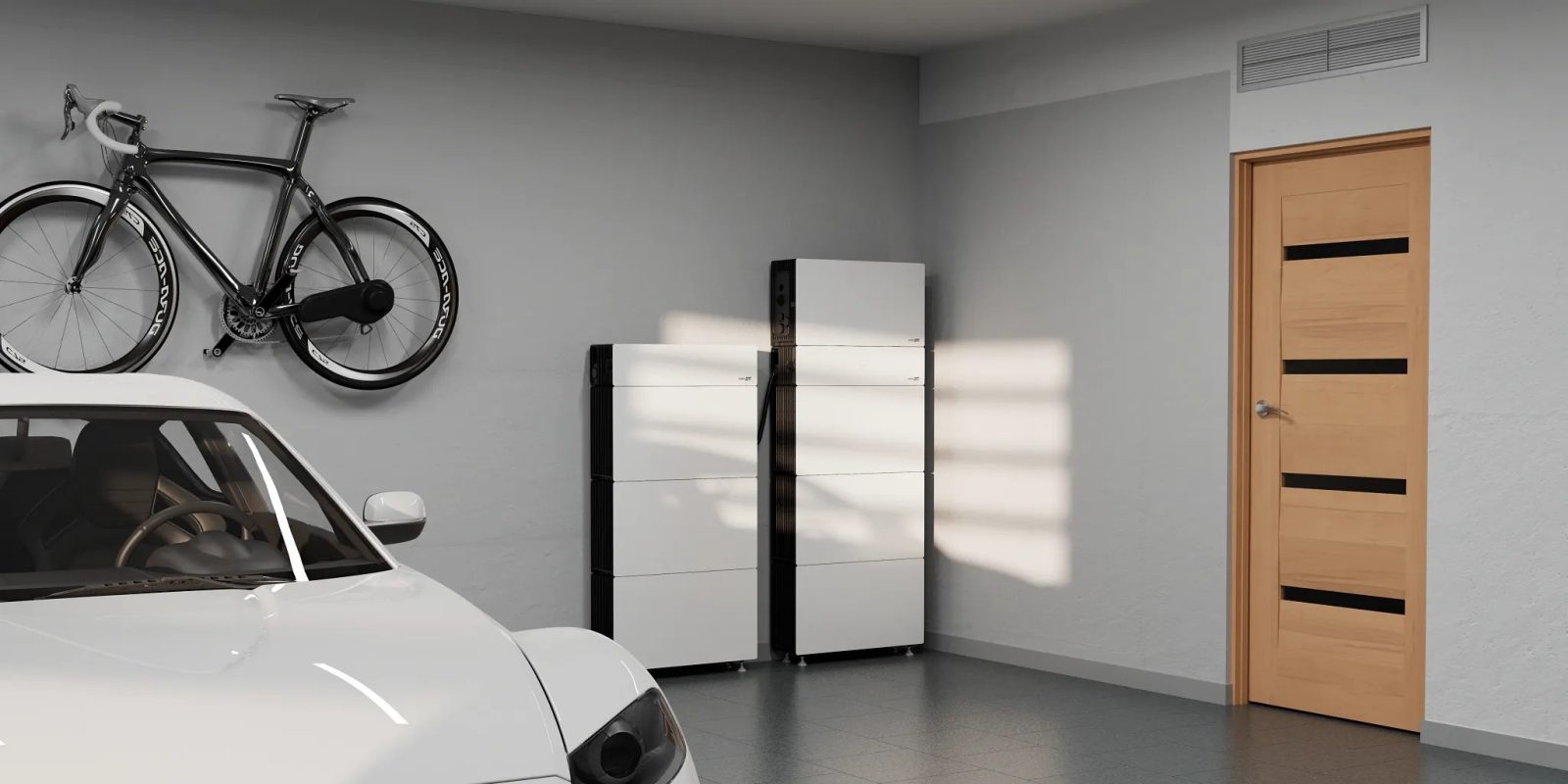
- SolarEdge began US orders for its Nexis home solar and battery storage platform, designed to eliminate installer pain points like lengthy install times, complex wiring, and electrical panel upgrades.
- Nexis's battery architecture uses lightweight modules that click together with no wiring between them, enabling a full installation in under 30 minutes, per the company.
- Battery capacity scales from 5 kWh to 80 kWh, and the new inverter delivers up to 13 kW grid-connected and 14.5 kW during outages while supporting 185 locked rotor amps for large HVAC startup.
- The platform uses up to 40% less wall space than comparable systems, and the equipment is US-manufactured, helping projects qualify for domestic content requirements.
- Nexis debuted in Germany first, where SolarEdge says it generated record order volumes, before its US rollout.
- Tate Abdon, director of installations at El Dorado Hills-based Senga Energy, compared the modular design to building with Legos and said it can eliminate backup load panels in many installations, cutting labor and materials.
- SolarEdge lost roughly 90% of its stock value after the rooftop solar market turned in 2023, and the company is counting on Nexis to sustain its recent turnaround momentum on Wall Street.
Why it matters: Nexis is a linchpin of SolarEdge's recovery — the company shed ~90% of its stock value after 2023 and is banking on faster, modular installs to win back US rooftop solar contractors. The US-made hardware helps projects meet domestic content requirements, a structural edge over imported rivals as the company tries to translate Germany's record demand onto American job sites.
Ask SkimNews