Trump silences climate talk at IMF/World Bank meetings — SkimNews

Get the Energy newsletter
Daily energy & climate — solar, EVs, oil, the policy fights and tech bets shaping the transition. Free.
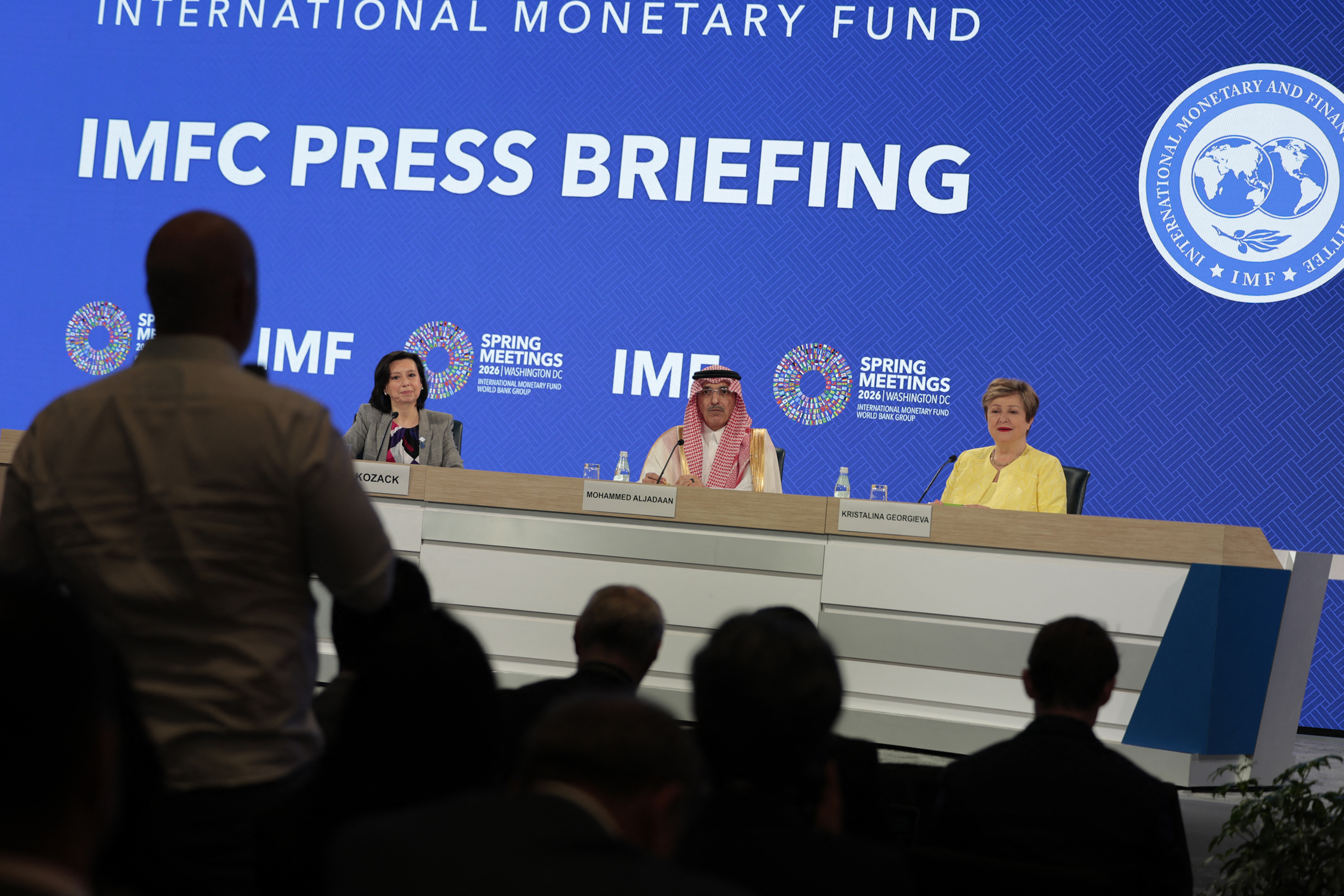
- Donald Trump and the White House are pressuring delegates from up to 189 countries at the IMF/World Bank spring meetings in Washington to avoid mentioning the climate crisis, insiders told the Guardian, forcing a choice between an unbridgeable rift and quiet self-censorship at the senior level.
- Scott Bessent, the US Treasury secretary, last autumn demanded removal of climate finance targets from the World Bank's aims and insisted it must finance an "all-of-the-above approach to energy that includes financing for gas, oil and coal."
- The World Bank's current climate change action plan expires in June, and a replacement may now be shelved; in its last fiscal year (July 2024–June 2025), 48% of the institution's financing qualified as having climate co-benefits under its methodology.
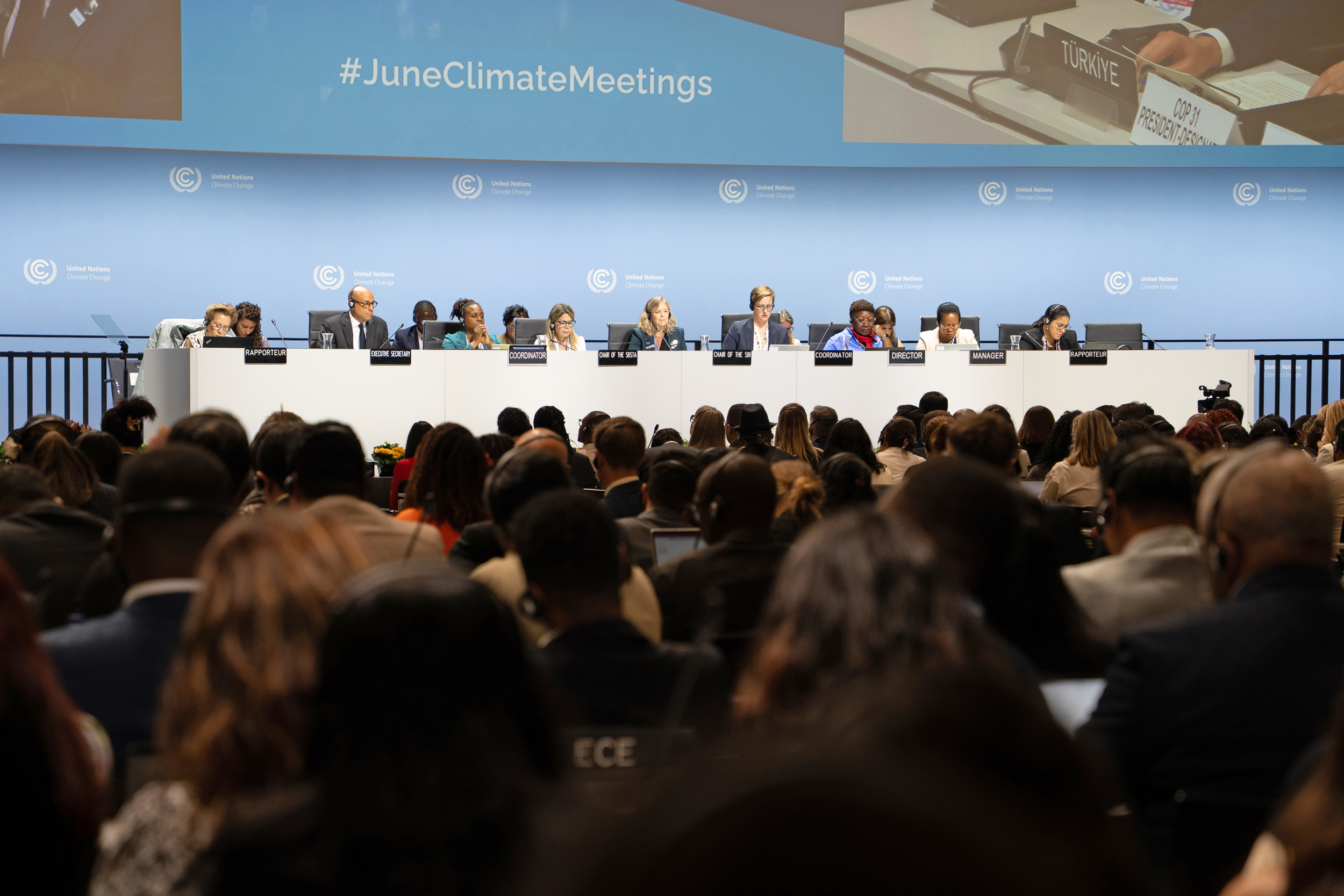
- At Cop29 in Azerbaijan in 2024, countries agreed that at least $1.3tn a year must flow to developing nations by 2035, with developed countries pledging $300bn annually — a target the World Bank warns cannot be reached without multilateral development banks scaling up.
- Mohamed Adow, director of Power Shift Africa, called it "beyond absurd" to sideline climate discussion during an escalating oil crisis, arguing fossil fuels and the climate emergency are "inextricably linked" and the moment offers a "huge opportunity" to shift away from fossil-fuel dependence.
- Lord Stern, the former World Bank chief economist, argued the institution can still advance climate goals through agriculture, forests, water, energy, and mass transit investments like urban metro systems, "without highlighting climate change."
- The United States holds about 17% of the World Bank's capital, making it the single largest shareholder and giving it outsized leverage over the institution's climate and energy financing priorities.
Why it matters: The US, holding 17% of the World Bank's capital, is now strong-arming a $1.3tn/yr Cop29 climate finance pipeline that 189 countries agreed is essential by 2035, with $300bn of that coming from developed nations. If the bank's June CCAP expires without a replacement, developing countries paying billions annually for drought, flood, and storm damage lose their single biggest source of adaptation funding — right as the oil crisis creates an opening to accelerate the renewable transition.
Ask SkimNews