Ariel Rider Kepler review: A big, safe, fat tire commuter e-bike with style — SkimNews
Get the Energy newsletter
Daily energy & climate — solar, EVs, oil, the policy fights and tech bets shaping the transition. Free.
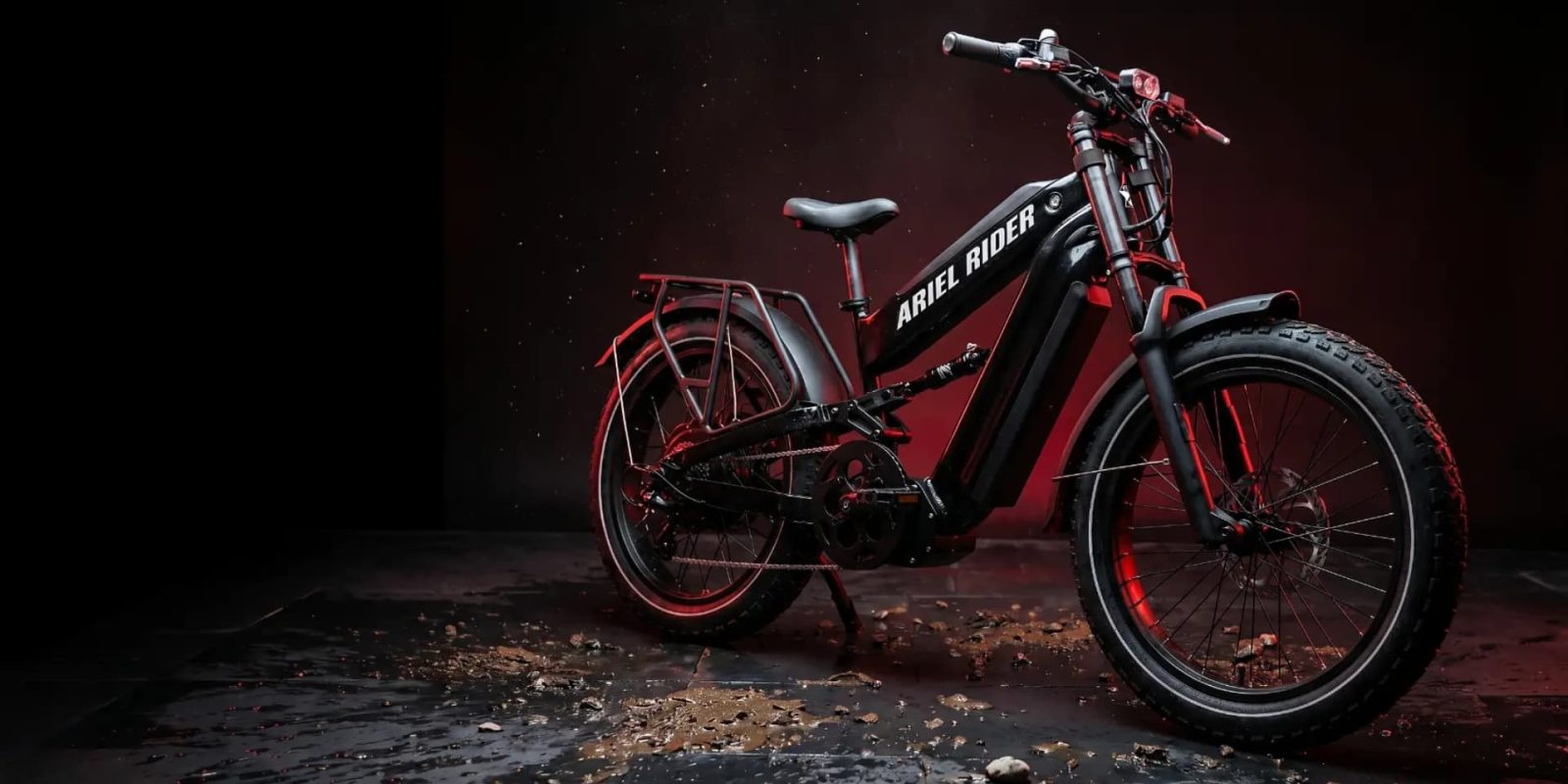
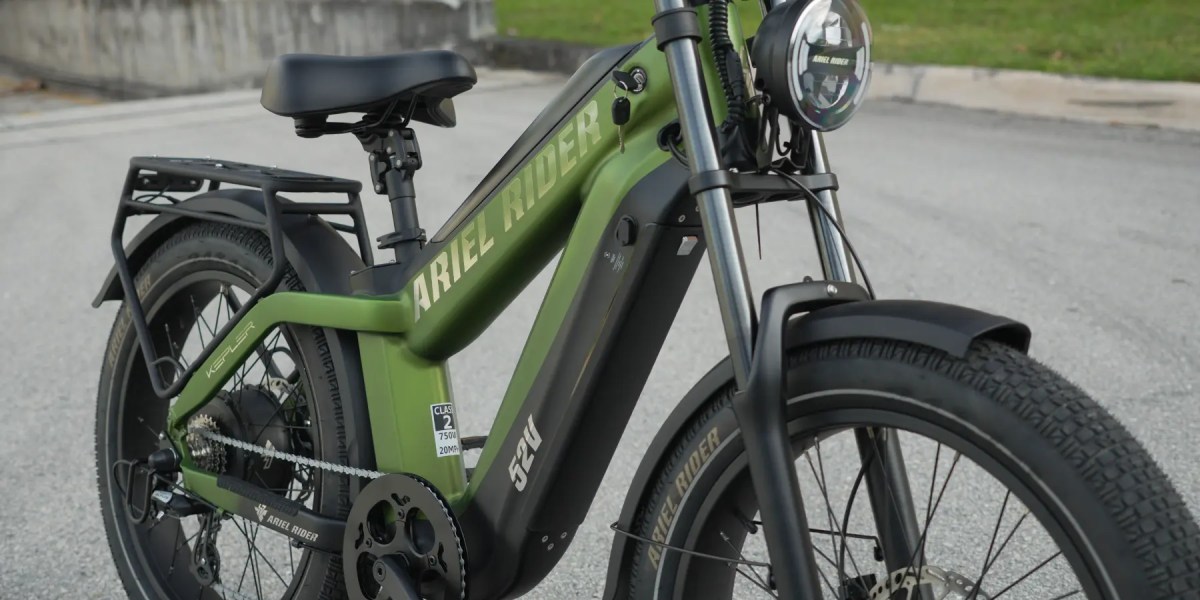
- Ariel Rider designed the Kepler as a fat tire commuter e-bike leaning into the trend of riders buying adventure e-bikes but using them almost exclusively for city riding, with 24×4.0-inch tires and an upright riding position.
- The Kepler runs a 750W rear hub motor producing 110 Nm of torque, ships as a Class 2 e-bike with a 20 mph throttle, and can be adjusted to Class 3 pedal-assist up to 28 mph, with user-switchable torque and cadence sensing modes.
- Dual 52V batteries (20Ah + 15Ah = 35Ah / 1.82 kWh) deliver a claimed 85–105 mile range, and the packs use Samsung 21700 cells with resin-filled construction, CANBUS communication, and UL 2849 and UL 2271 safety certification.
- The Kepler weighs 118 pounds (53.5 kg) and the thick frame tubes housing its batteries make standard U-locks difficult to fit, forcing riders toward chain or folding locks.
- Commuter features include an 80mm double-crown suspension fork, parallel-link suspension seatpost, four-piston hydraulic disc brakes with 203mm rotors, integrated lighting with turn signals and brake light, electric horn, Apple Find My compatibility, app support, OTA updates, and a MIK-HD rear rack rated for 60 lbs.
- At $1,999 on sale, the review concludes the Kepler offers a compelling mix of range, capability, and value despite its weight and chunky frame, calling it a bike that 'understands how many people actually use fat tire e-bikes.'
Why it matters: The Kepler targets a real market gap: riders who want the comfort and stability of fat tires for daily city use, not trail riding. At $1,999 with a 1.82 kWh dual-battery system and UL-certified safety, it undercuts most dual-battery competitors while addressing the battery-fire concerns regulators and the e-bike industry are grappling with — a concrete value-plus-safety pitch for commuter buyers.
Ask SkimNews