Natural Feedback Loops Could Add 30% More Warming — SkimNews
Get the Energy newsletter
Daily energy & climate — solar, EVs, oil, the policy fights and tech bets shaping the transition. Free.
- Sam Abernethy of Spark Climate Solutions Research led the paper published in Environmental Research Letters, finding natural feedback loops could add 20-30% to global heating by 2100, contributing an estimated 0.2C to 0.4C of additional warming
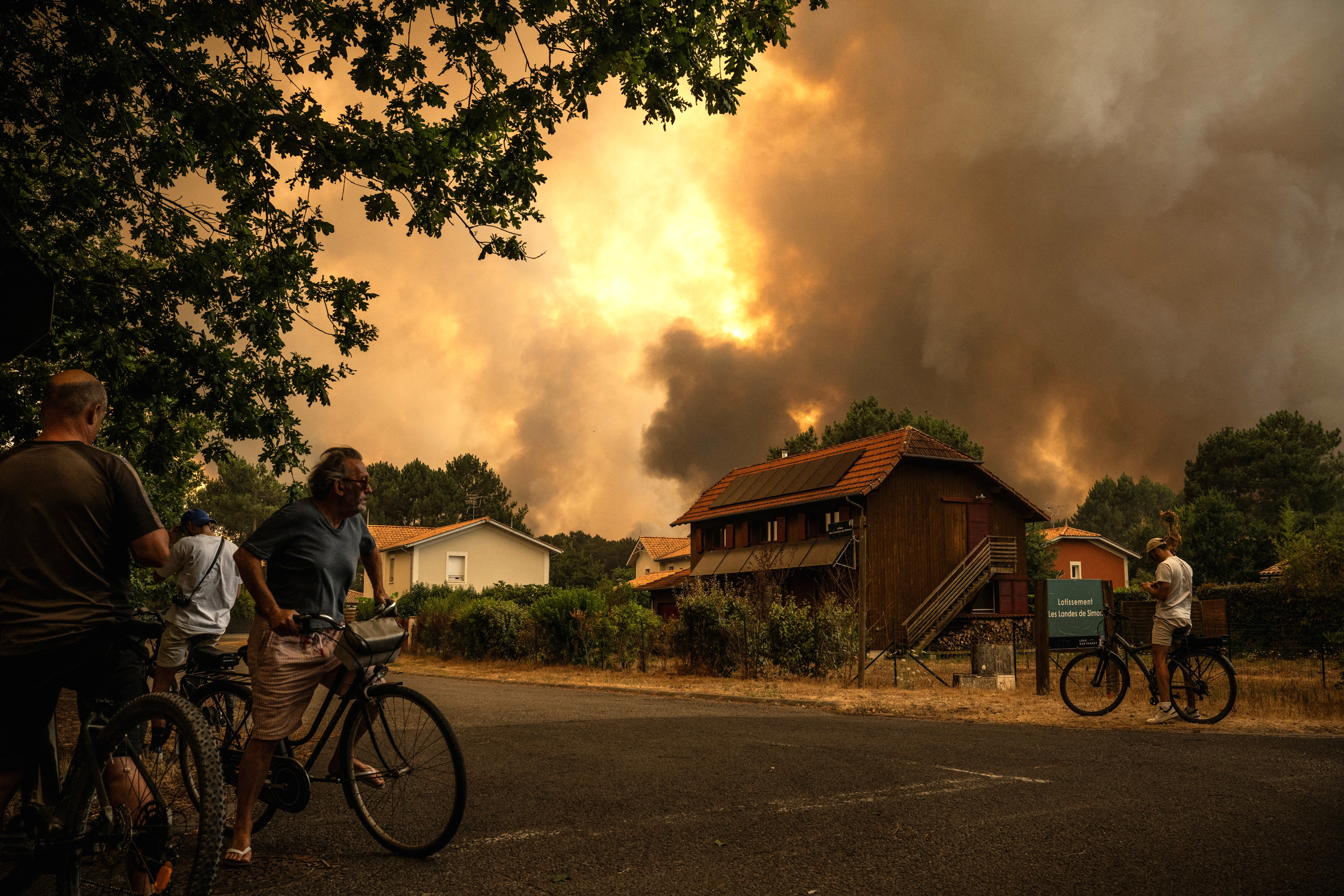
- The study analyzed four natural sources — permafrost, wildfires, wetlands, and freshwater lakes — whose methane and CO2 emissions are largely missing from climate projections guiding policy
- Under the most optimistic emissions scenario, natural sources add 0.2C of warming; under a worst-case higher-emissions scenario, that figure rises to 0.4C
- Rob Jackson, a Stanford University scientist and co-author, called the disruption of carbon cycles a "wake-up call" visible "in real time" and urged the findings be folded into next-generation climate policies
- Bill Ripple, an Oregon State University ecologist not involved in the new paper, called it "important" and warned that "every fraction of a degree matters" because additional warming risks activating still more feedback loops
- The United Nations conceded last week that the 1.5C target will be breached within the next few years, while Climate Action Tracker estimates current policies put the world on track for 2.6C of warming — figures the new research warns likely understate true warming
Why it matters: Climate models missing the 20-30% natural-source multiplier means remaining carbon budgets may be overstated, and the pathway to the 1.5C and even 2C goals is narrower than it appears — making rapid fossil fuel cuts even more urgent, per both Abernethy and Jackson.
Ask SkimNews