Western Wildfires Defy Traditional Prevention Methods — SkimNews
Get the Energy newsletter
Daily energy & climate — solar, EVs, oil, the policy fights and tech bets shaping the transition. Free.
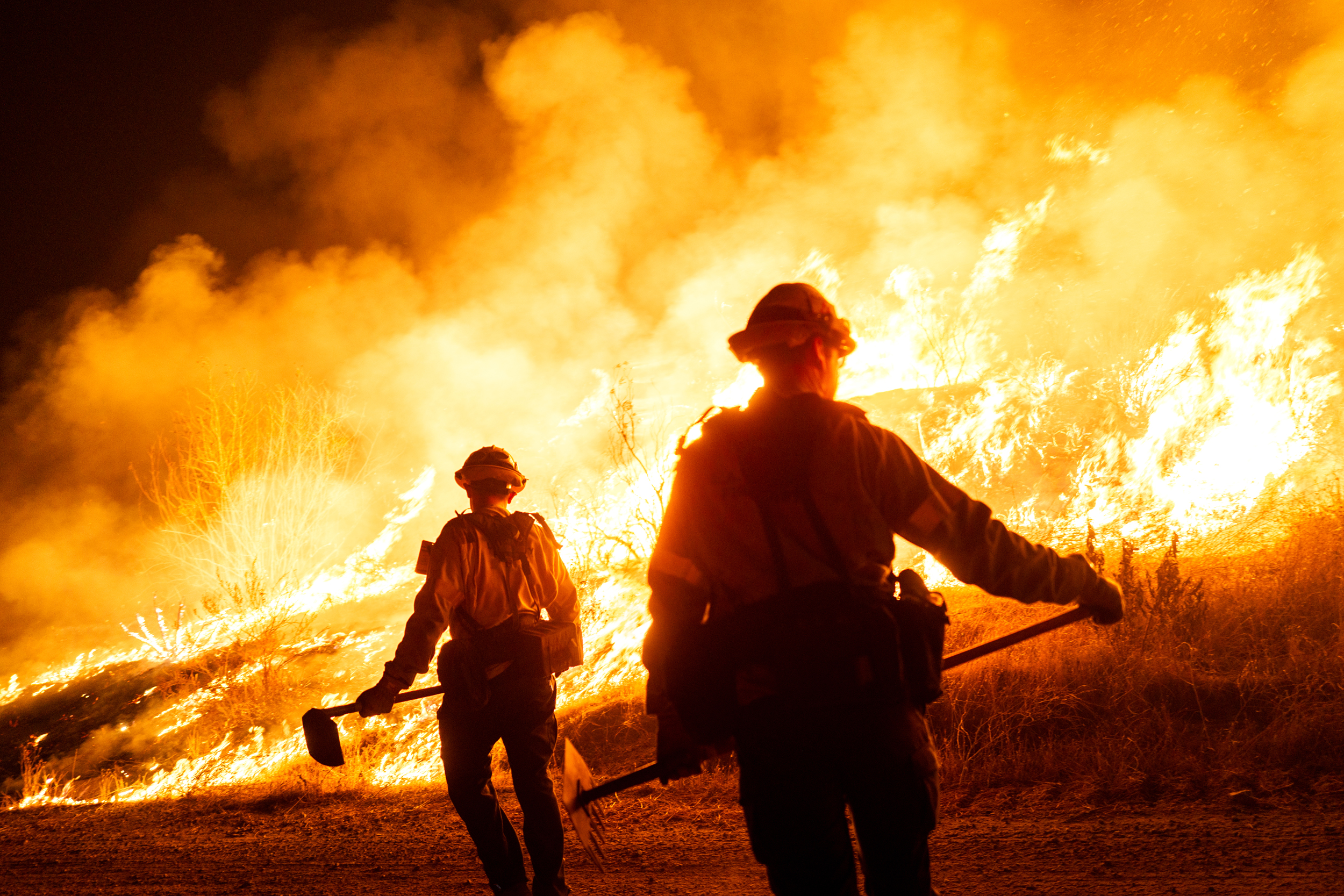
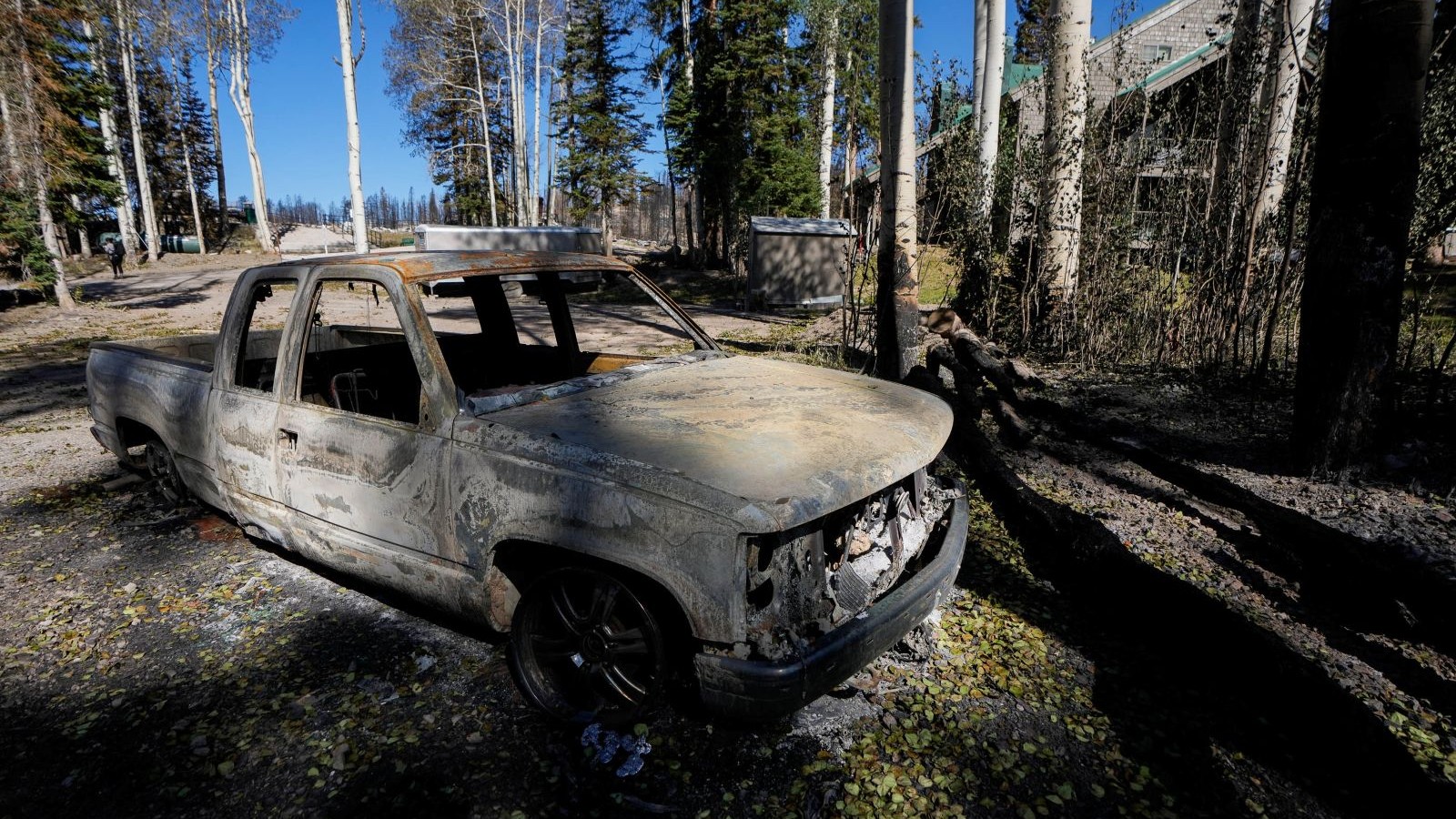
- The Cottonwood Fire charred more than 97,000 acres since June 22 and was 95% contained as of late Thursday, exploding by 20,000 acres overnight in late June as Trump administration officials and members of Congress surveyed the burn scar.
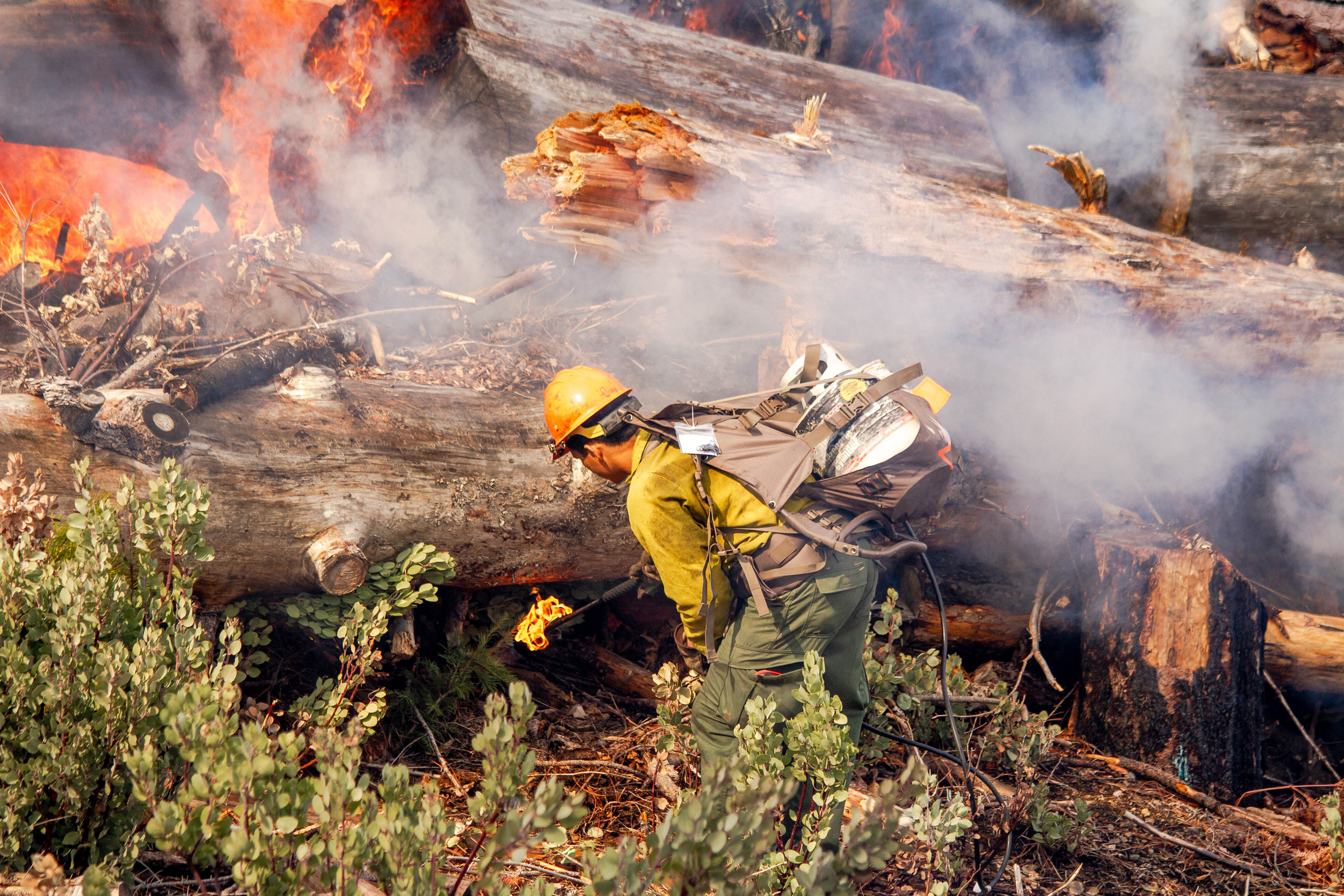
- Representative Bruce Westerman (R-Arkansas) blamed the destruction on a lack of forestry management, saying thinning forests and controlled burns would reduce the fuel that drives catastrophic fires.
- Clark University professor Dominik Kulakowski countered that "weather and climate override the effects of fuels," arguing traditional fire prevention is losing effectiveness and warning that in parts of the West, no forest vegetation is regrowing after fires — a potential "ecosystem collapse."
- NOAA attributes climate change as the primary driver of Western U.S. wildfire risk for the past two decades, while research published this month in PNAS found Utah's severe snow drought is now 14 times more likely than at the start of the industrial period.
- The Fix Our Forests Act, sponsored by Sens. John Curtis (R-Utah) and John Hickenlooper (D-Colorado), creates "fireshed management areas" to streamline fuel treatments but has yet to receive a full Senate vote.
- The Trump administration issued a directive this year calling on federal agencies to aggressively suppress all fires — including the smaller, milder ones that forests evolved with to stay healthy, according to Utah State firefighter and professor Bradley Washa.
- Utah State professor Larissa Yocom acknowledged that in the most extreme conditions "on-the-ground factors get overwhelmed," but argued that allowing more fires to burn in shoulder seasons under cooler weather could reduce intensity.
Why it matters: The Trump administration's blanket fire-suppression directive directly cuts against the bipartisan Fix Our Forests Act's fuel-management approach, while researchers warn that climate-driven megafires may sterilize soils and prevent any forest regrowth in parts of the West — meaning the political consensus on forest thinning may no longer match what the landscape can actually support.
Ask SkimNews