Trump's Iran Deal Casts Shadow Over G-7 Summit — SkimNews

Get the Geopolitics newsletter
Daily geopolitics — wars, elections, sanctions, the diplomatic moves that move markets. Free.
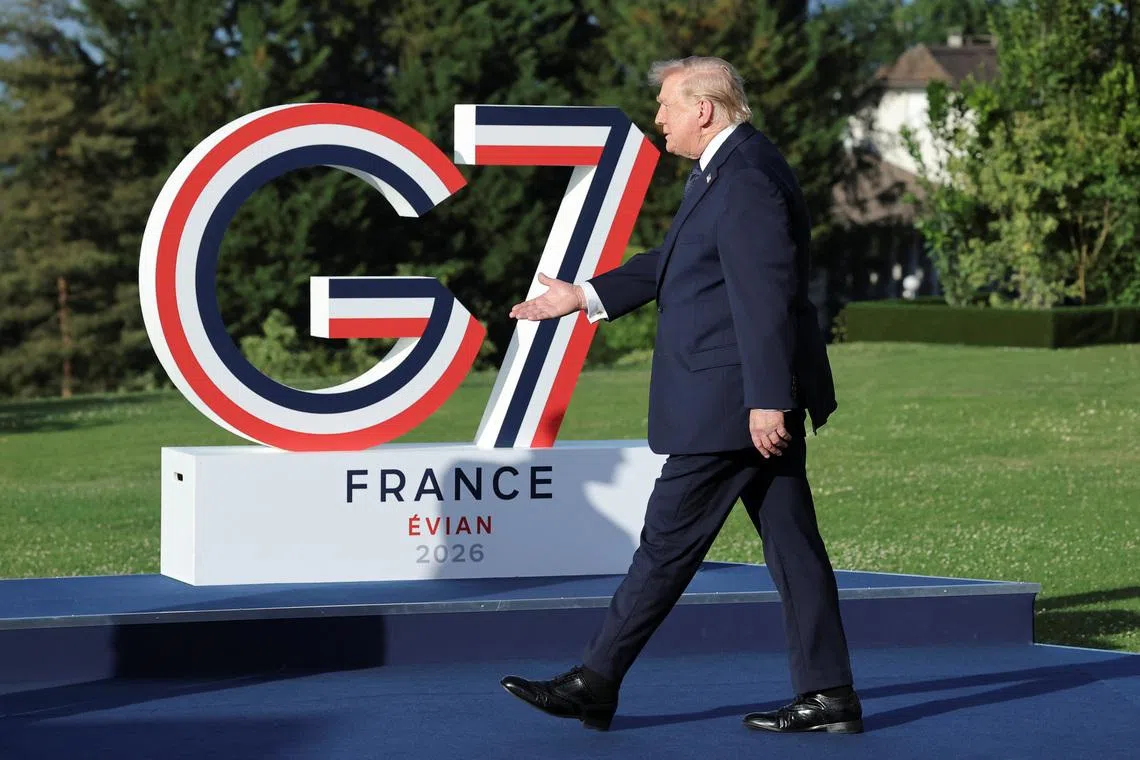
- Trump is set to celebrate his 80th birthday Sunday with a UFC fight on the White House lawn while his national security team races to finalize an Iran war deal they hope to sign in the next "few days."
- The Iran war has been a major source of G-7 tension, driven by its ongoing economic impact and Washington's failure to consult allies or give warning before launching strikes, the source notes.
- Trump has publicly criticized the United Kingdom and Germany for refusing to help open the Strait of Hormuz and for denying U.S. forces use of their bases to launch strikes on Iran.
- Iranian media reported Friday that the draft deal keeps the Strait of Hormuz under Tehran's control, suspends U.S. sanctions, withdraws U.S. forces from the Middle East, requires Washington and allies to pay at least $300 billion in reconstruction costs, and releases $24 billion in frozen Iranian assets.
- Trump rejected those reported terms as "weak and pathetic," yet Iranian Foreign Minister Abbas Araghchi and Pakistani Prime Minister Shehbaz Sharif, who has mediated, both declared a deal "has never been closer."
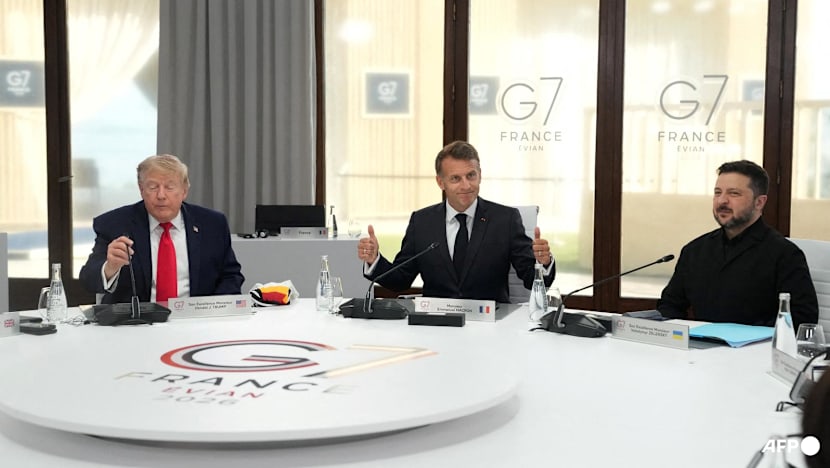
- European leaders plan to use the summit to push Washington toward a fresh Russia-Ukraine dialogue, but a deal collapse could keep the Iran war dominating the agenda instead.
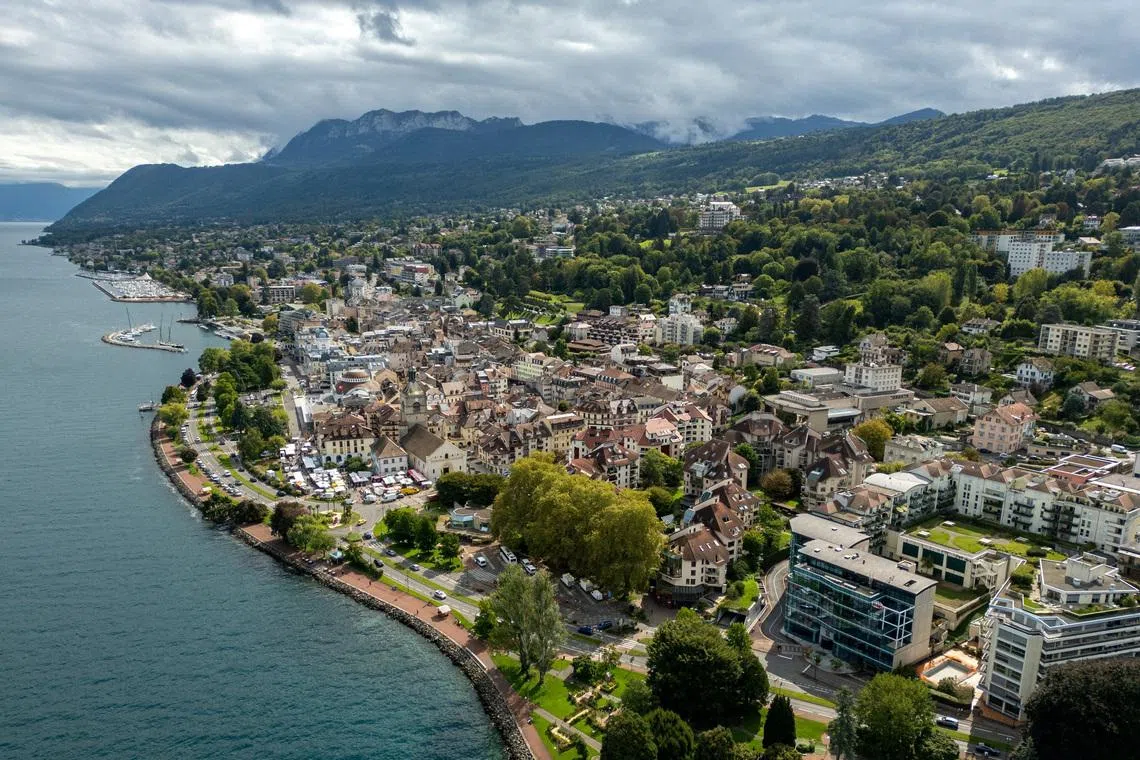
Why it matters: The Iran war's economic fallout and Washington's failure to consult allies have split the G-7 for months. A signed deal would let European leaders pivot to a new Russia-Ukraine push; collapse would put the group back on a war footing and overshadow their French Alps agenda. The $300 billion in reported reconstruction payments and Strait of Hormuz concessions, if real, would reshape Middle East power dynamics and reward Tehran for a conflict the U.S. started without allies.
Ask SkimNews