Trump's G7 Trip Overshadowed by Iran War — SkimNews

Get the Geopolitics newsletter
Daily geopolitics — wars, elections, sanctions, the diplomatic moves that move markets. Free.
- Trump is traveling to France for a G7 summit where he will meet with French President Emmanuel Macron and other European leaders he has clashed with over trade, Ukraine, and security since returning to office.
- Trump is scheduled to meet with key Middle Eastern leaders and attend a working session with Ukrainian President Volodymyr Zelenskyy and G7 leaders, according to senior U.S. administration officials not authorized to speak publicly.
- The summit's originally planned focus on economic growth, supply chains, and security has been overtaken by surging energy costs and disagreements over a geopolitical crisis that diplomats say is exposing fractures among the world's leading democracies.
- Trump announced the withdrawal of at least 5,000 U.S. troops from Germany during a clash with Europeans over their reluctance to support the Iran war, a decision that was partially reversed when the troops were redirected to Poland.
- The United Kingdom is working with France to build a coalition to help demine the Strait of Hormuz once a peace deal is reached, and Trump has said he expects European and Western countries that depend on the strait to have a role.
- Trump's other stated priorities for the summit include strengthening economic ties, investment partnerships, the critical mineral supply chain, AI, and addressing the Ebola outbreak.
- Former NSC official Brett Bruen framed the moment bluntly: "If the United States can't contain the fallout from a military operation of our choice against a single country, that at best is a middling power, how on earth are we going to be able to push back against a larger power, a nuclear power."
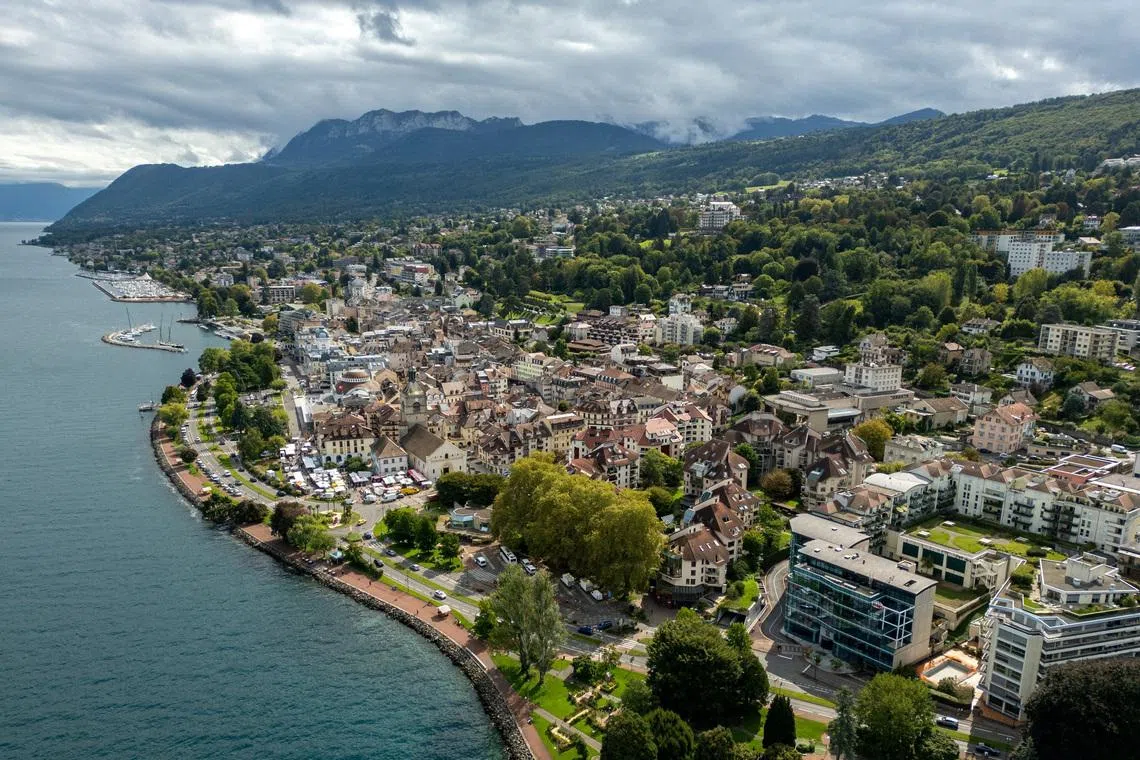
Why it matters: European allies are navigating a moment of heightened global risk under a volatile U.S. president whose troop threats, trade pressure, and unilateral war decisions have paradoxically pushed Europe toward greater strategic autonomy, according to Brookings and Johns Hopkins analysts. The Evian summit will test whether the U.S. and its G7 partners can coordinate on Strait of Hormuz demining and energy fallout even as transatlantic fractures widen.
Ask SkimNews