Ford opens Long Beach EV Center to fast‑track $5B push — SkimNews
Get the Energy newsletter
Daily energy & climate — solar, EVs, oil, the policy fights and tech bets shaping the transition. Free.
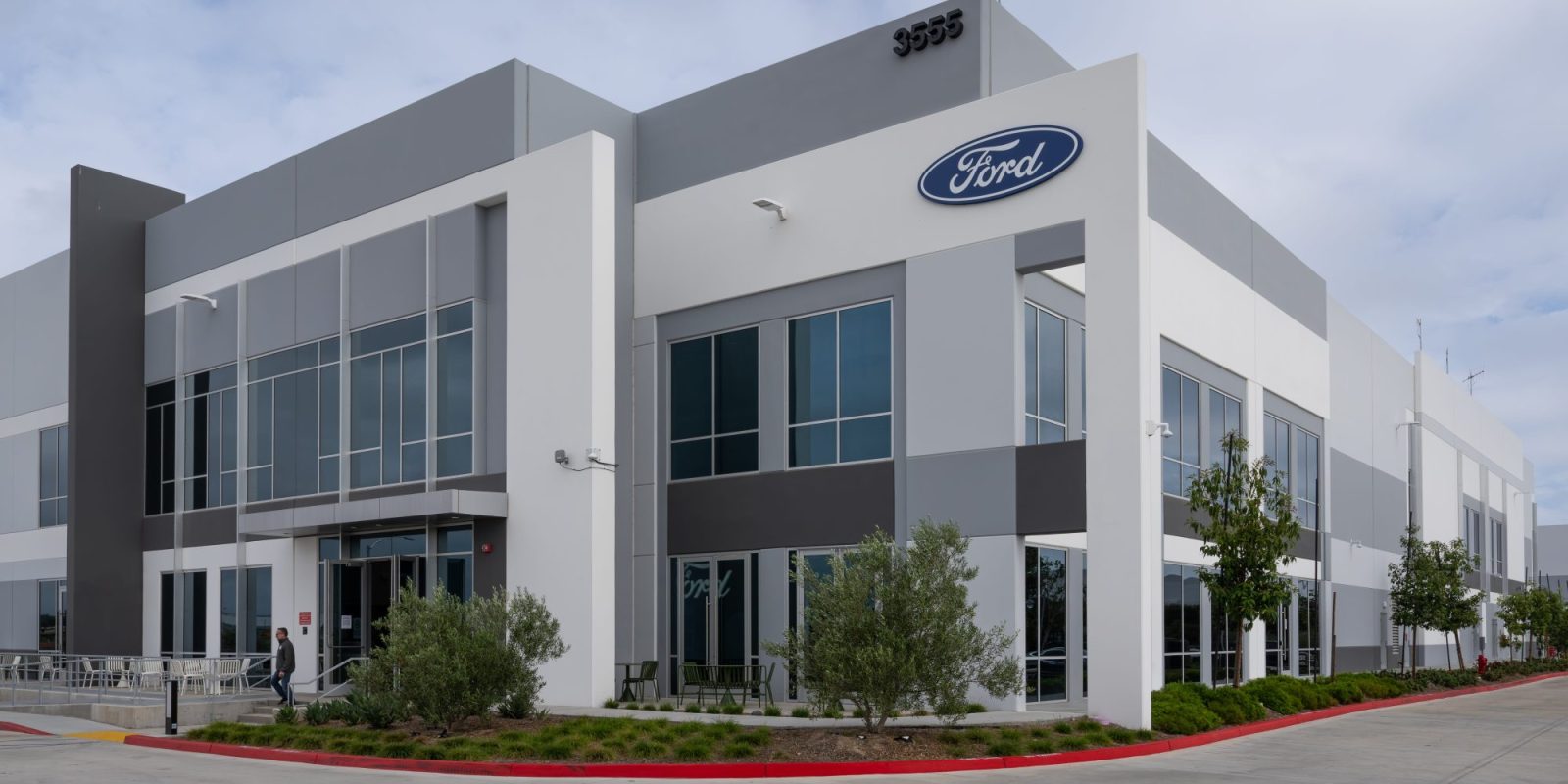
- Ford opened a new “EV Design Center” in Long Beach, California, a skunkworks‑style facility that consolidates EV design, engineering, and testing under one roof.
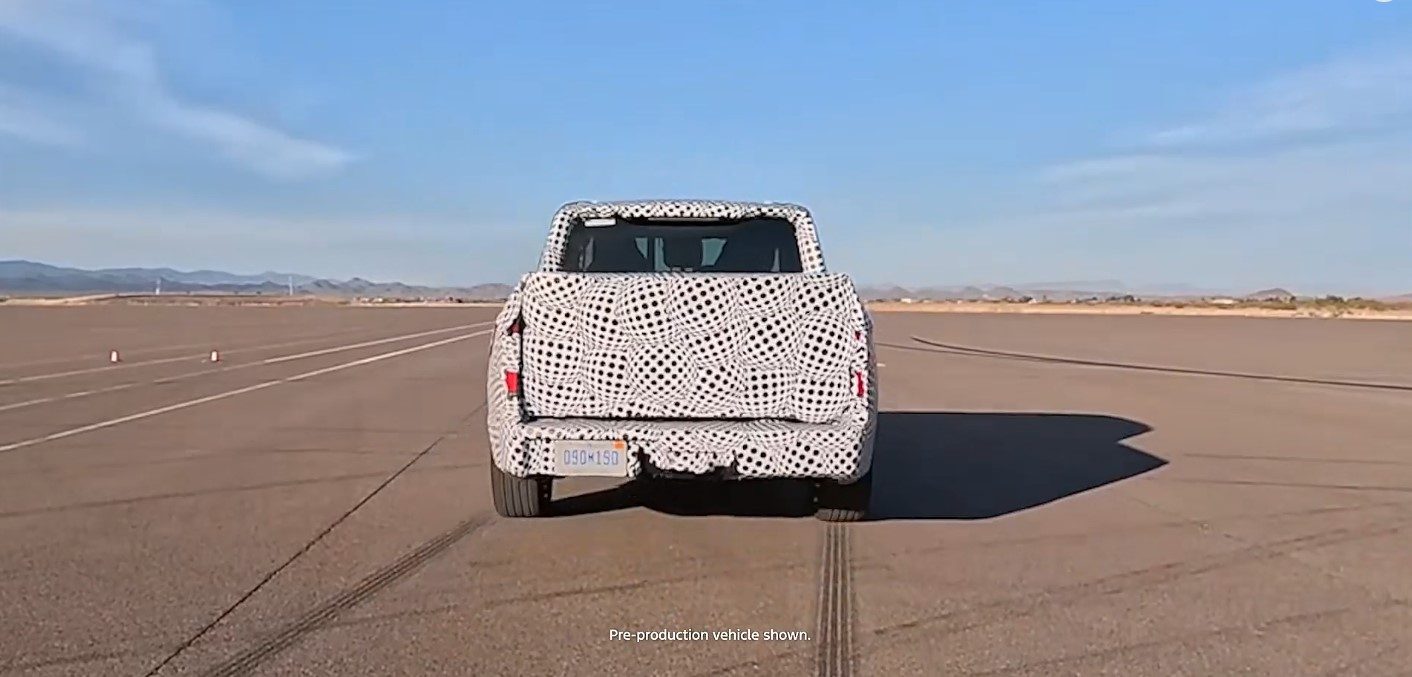
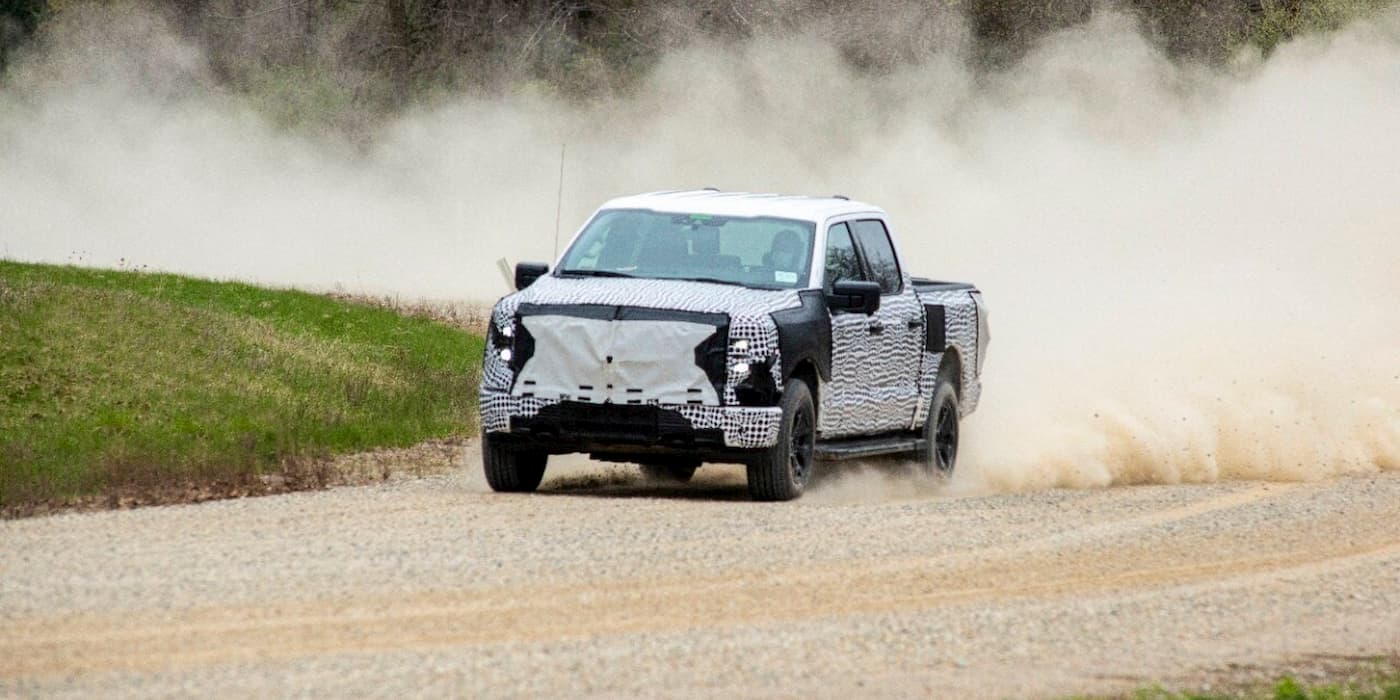
- Ford announced a $5 billion investment in EV manufacturing and the “Ford Universal EV Platform,” which will enable low‑cost production of multiple models, beginning with a midsize pickup slated for a $30,000 price tag and a 2027 launch.
- Ford hired a mix of internal engineers and outside talent—including a former Tesla senior engineer and a former Apple‑Tesla veteran—to staff the EVDC, citing proximity to aerospace firms and the Long Beach Airport as a recruiting advantage.
- Ford uses VR visualization and a “segmented‑car” approach, splitting a vehicle into three parallel‑manufacturing sections and employing “unicastings” to delete hundreds of structural parts, a philosophy it calls “the best part is no part.”
- Ford’s battery lab will use lithium‑iron‑phosphate (LFP) cells and a zonal electrical architecture that merges AC and DC charging into a single “E‑box,” while adopting a 48‑volt system and the NACS/J3400 inlet to simplify wiring.
- Ford operates a fleet testing center with its own EVs and competitor models, including a dynamometer that simulates extreme temperatures and driving conditions to validate range and performance before mass production.
Why it matters: Ford gains a faster, lower‑cost EV development pipeline that could undercut Chinese price advantages, while Chinese manufacturers risk losing market share as Ford adopts rapid‑iteration, segmented‑assembly and LFP battery strategies. The move also pressures other U.S. automakers to accelerate their own EV programs.
Ask SkimNews