US Sanctions ICC Chief Tomoko Akane of Japan — SkimNews

Get the Geopolitics newsletter
Daily geopolitics — wars, elections, sanctions, the diplomatic moves that move markets. Free.
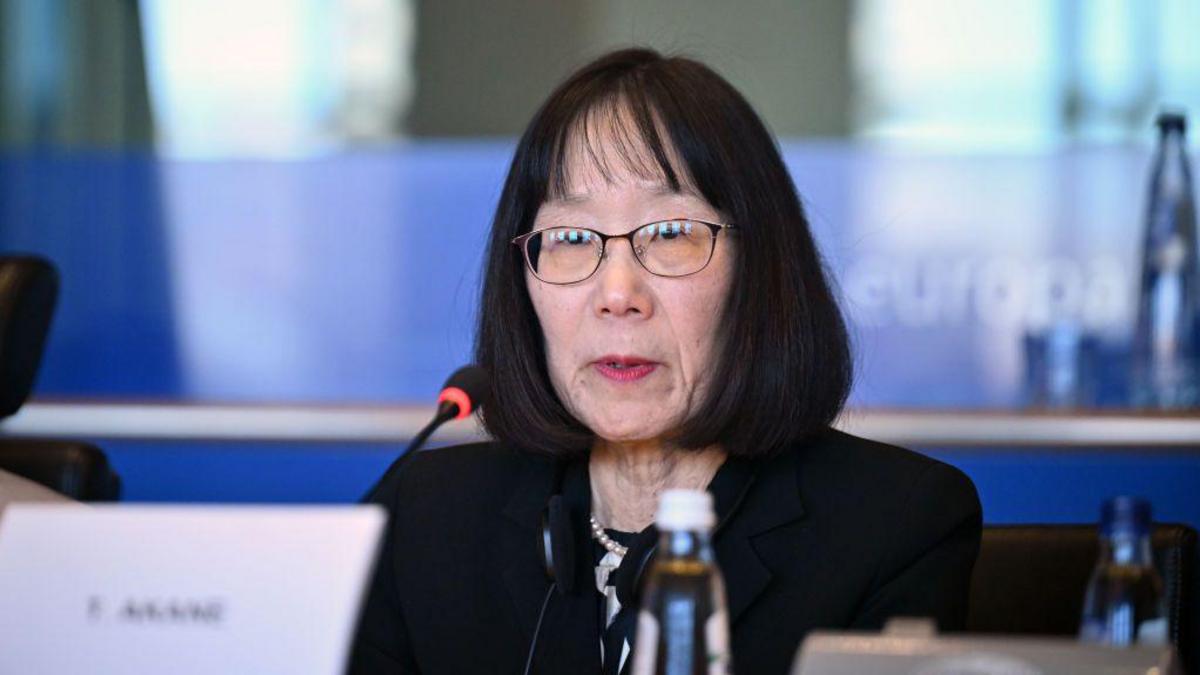
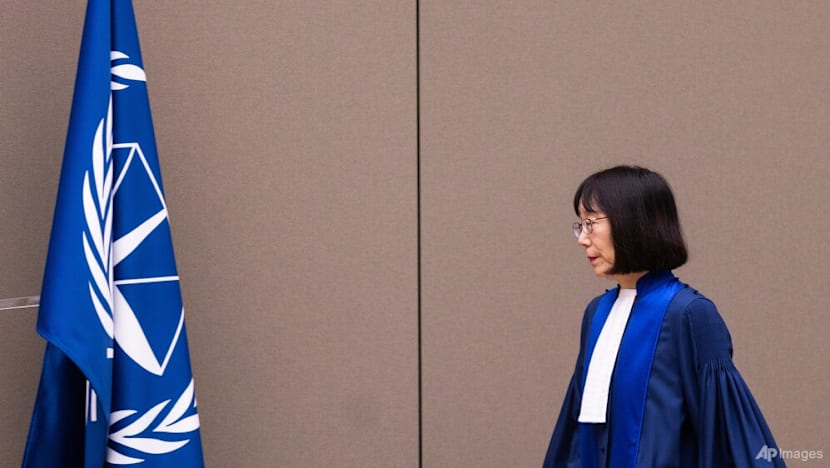
- U.S. Secretary of State Marco Rubio announced sanctions on ICC President Tomoko Akane of Japan and Senior Trial Lawyer Abdoulaye Seye of Senegal on August 18, 2026, accusing them of advancing ICC actions against officials from non-consenting governments.
- The International Criminal Court fired back that the sanctions "undermine the rule of law" and warned that threatening judicial actors places "the international legal order itself… at risk."
- The measures bar the officials from entering the United States and from any transactions in the U.S. financial system, continuing a pattern of sanctions the U.S. has imposed as a non-party to the Rome Statute.
- Israeli Prime Minister Benjamin Netanyahu praised the move on X, calling the ICC "a kangaroo court" — the targeted officials are linked to the court's 2024 arrest warrant for Netanyahu over the Gaza war and its 2023 warrant for Russian President Vladimir Putin.
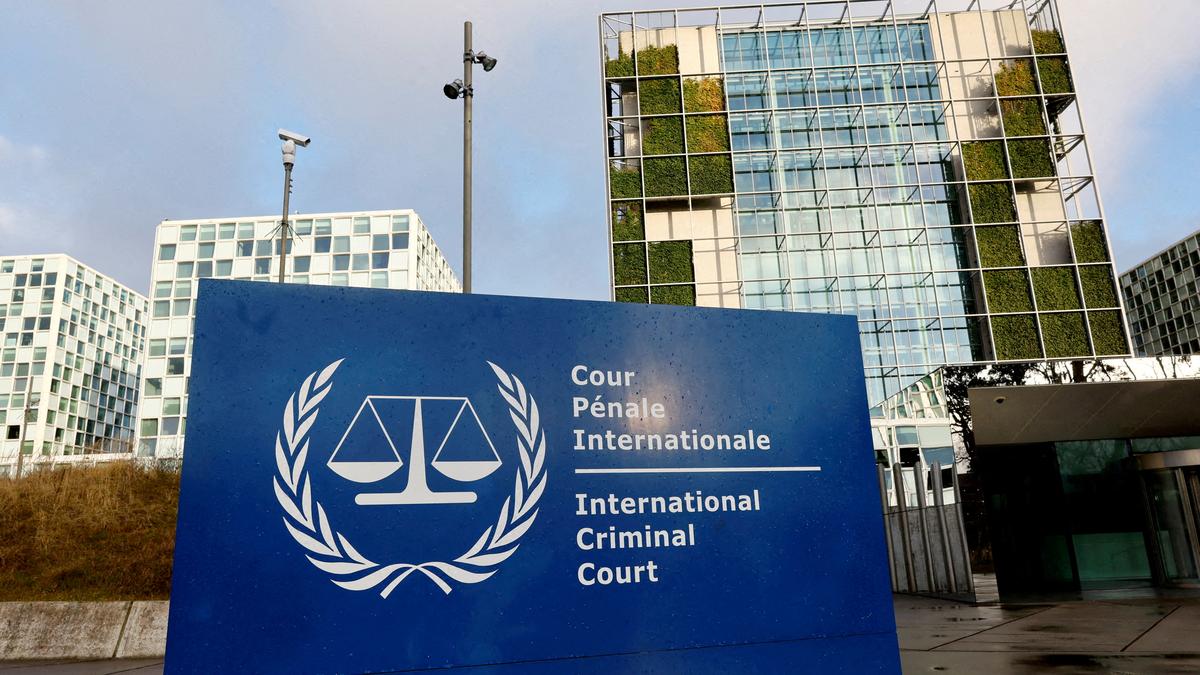
- The Netherlands, where the ICC is headquartered in The Hague, formally "disapproves" of the new sanctions, with Foreign Minister Tom Berendsen insisting international courts "must be able to freely carry out their mandates."
- Human Rights Watch's Middle East and North Africa director Balkees Jarrah said the sanctions reflect "utter contempt for international law" and amount to a "naked attempt to shield American and Israeli officials implicated in serious crimes from justice."
- The sanctions are part of a broader Trump administration diplomatic offensive launched last month urging allies to quit the court — Chad and Venezuela have already announced withdrawals, and four human rights groups sued Trump in New York last week over the prior sanctions round.
Why it matters: By sanctioning the ICC's sitting president, Washington has escalated from rhetoric to concrete financial and travel restrictions on a court that holds warrants for both an American ally (Netanyahu) and an American adversary (Putin). The move drew formal disapproval from the Netherlands, the NATO ally that literally hosts the court in The Hague, and is already being challenged in U.S. courts by four human rights groups arguing it blocks war-crimes victims from pursuing justice.
Ask SkimNews