Turkey positions as indispensable Eurasia trade hub
Get the Geopolitics newsletter
Daily geopolitics — wars, elections, sanctions, the diplomatic moves that move markets. Free.
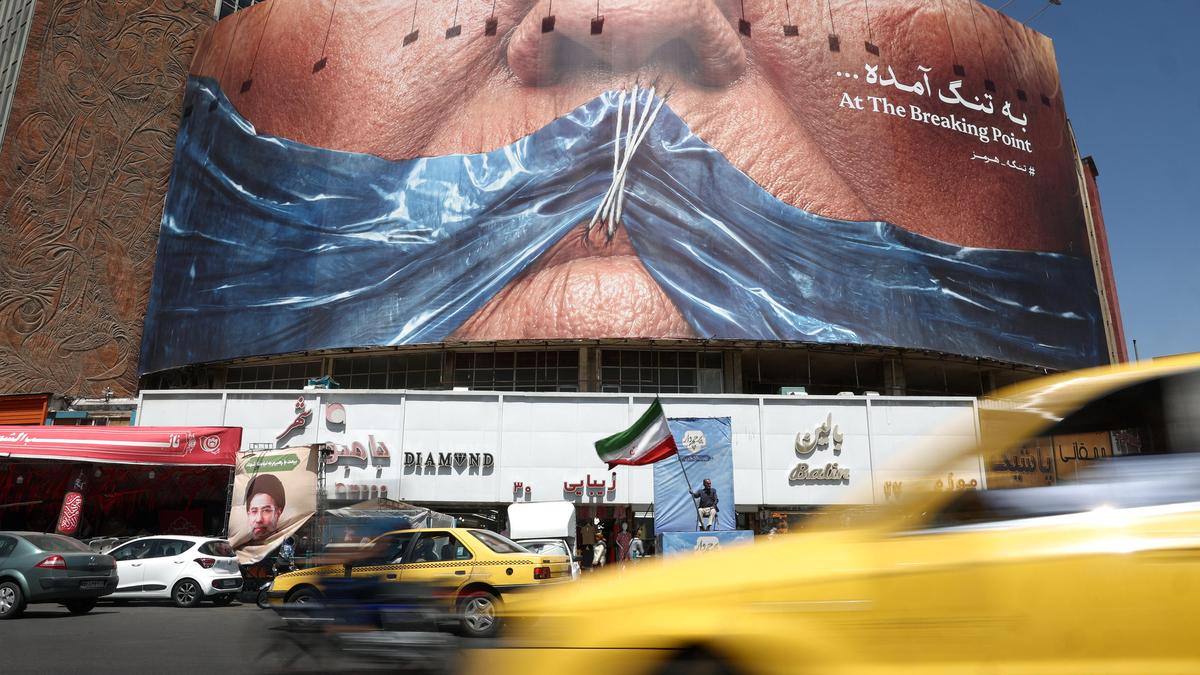
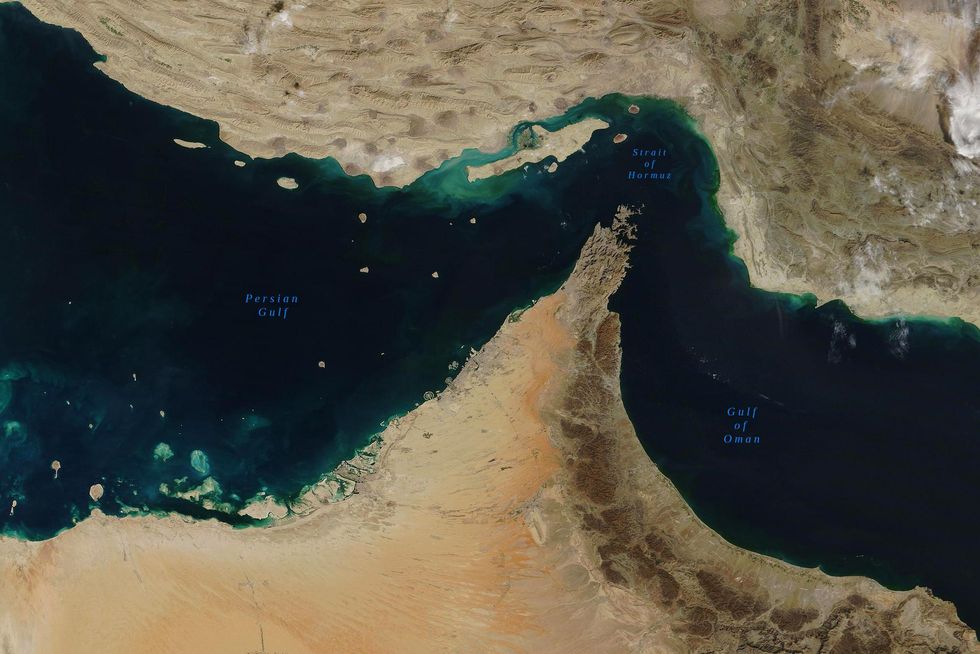
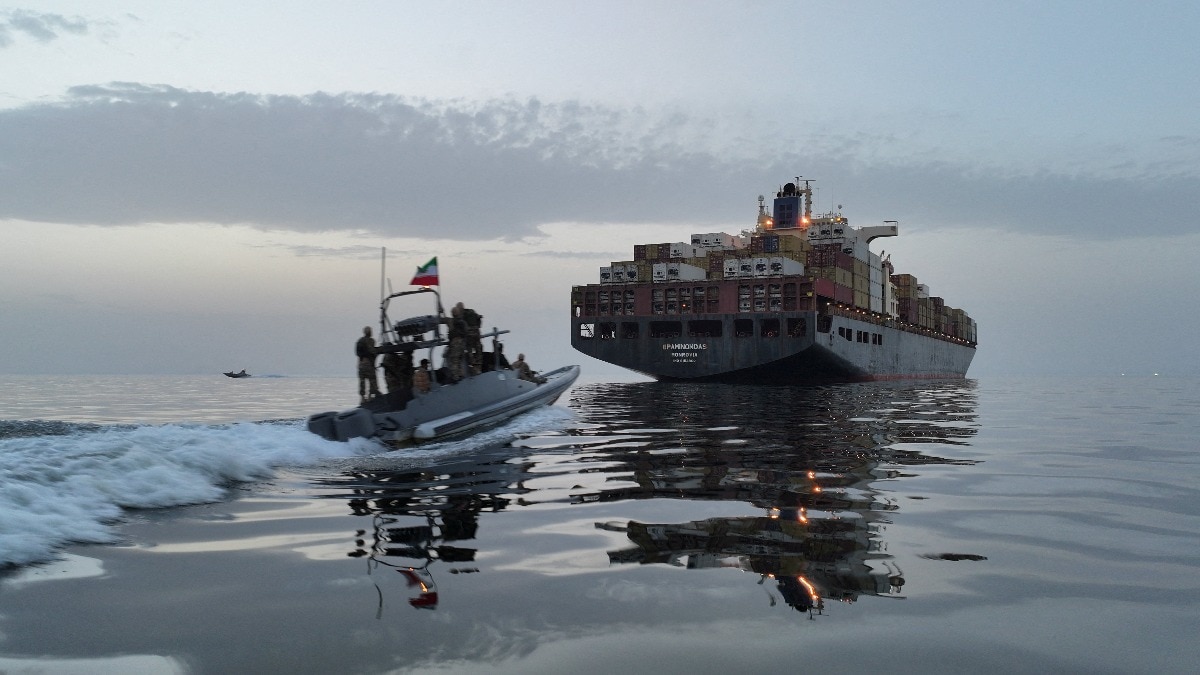
- The Strait of Hormuz's closure during the U.S.-Israeli war on Iran triggered what the IEA called "the largest supply disruption in the history of the global oil market," given that roughly 20% of global oil and LNG transits the 21-mile-wide waterway.
- Two alternative corridors have been propelled: the Middle Corridor (Trans-Caspian International Transport Route) linking China and Europe via Central Asia, the Caucasus, and Turkey, and the Four Seas Initiative connecting the Persian Gulf to the Mediterranean and Black Seas via a Syria-Turkey transit corridor.
- Kazakhstan signed 29 MoUs with the U.S. valued at $17 billion in November 2025, using the Middle Corridor to wean off Russian dependence and leverage its critical mineral reserves.
- Azerbaijan formally joined the C5 Central Asian summit in 2025 (creating the C6) after a peace deal with Armenia included a corridor through Armenian territory — dubbed the "Trump route" — connecting its two non-contiguous lands and unlocking regional integration with Turkey.
- Post-Assad Syria is pursuing energy transit state status with U.S. envoy Thomas Barrack's endorsement, while Iraq and the U.S. committed in June to rehabilitating the defunct Kirkuk-Baniyas pipeline as a precedent for Gulf-Mediterranean connectivity, part of a $216 billion World Bank-estimated reconstruction effort.
- Turkey sits at the intersection of both corridors, profiting from Europe's scramble to replace Russian energy, Gulf states' search for non-Hormuz export routes, and Central Asian states' push for overland access — leveraging overlapping crises to entrench itself as a hub "no Eurasian power can route around."
- U.S. backing includes congressional support for the Four Seas Initiative from Sen. Jeanne Shaheen (D-N.H.) and Rep. Joe Wilson (R-S.C.), plus concrete steps like brokering the Azerbaijan-Armenia deal and modernizing Kazakhstan's ports and Georgia's railway infrastructure.
Why it matters: Turkey is leveraging the Hormuz crisis to entrench itself as the sole Eurasian transit hub no major power can bypass, while the U.S. gains a durable framework to marginalize Iranian leverage over Gulf energy. Iran, frozen out of the new architecture, faces an economically unsustainable regional order that the article itself warns may prove unstable — and the new corridors pass through territory even more volatile than the strait they replace.
Ask SkimNews