Lightning’s Climate Shift Fuels Wildfires — SkimNews

Get the Health newsletter
Daily health & science — research, biotech, public health, the studies worth knowing. Free.
- Namarrkon — a lightning-wielding being in Bininj Dreamtime stories — is believed to shape the landscape of Arnhem Land by splitting clouds with stone axes to release thunder, lightning, and rain.
- Lightning releases up to seven gigajoules per flash, heats the air to 30,000°C, and plays a critical role in Earth’s nitrogen cycle, ozone production, and fire-driven ecosystem dynamics.
- Andrew Dowdy notes that while a warmer atmosphere may enhance thunderstorm conditions, large uncertainties remain due to limited long-term data and modeling challenges at fine scales.
- Dry lightning strikes in southeastern Australia increased 50% from 2000–2016 compared to the prior two decades, contributing to a 'step change in fire conditions' according to the Emergency Leaders for Climate Change.
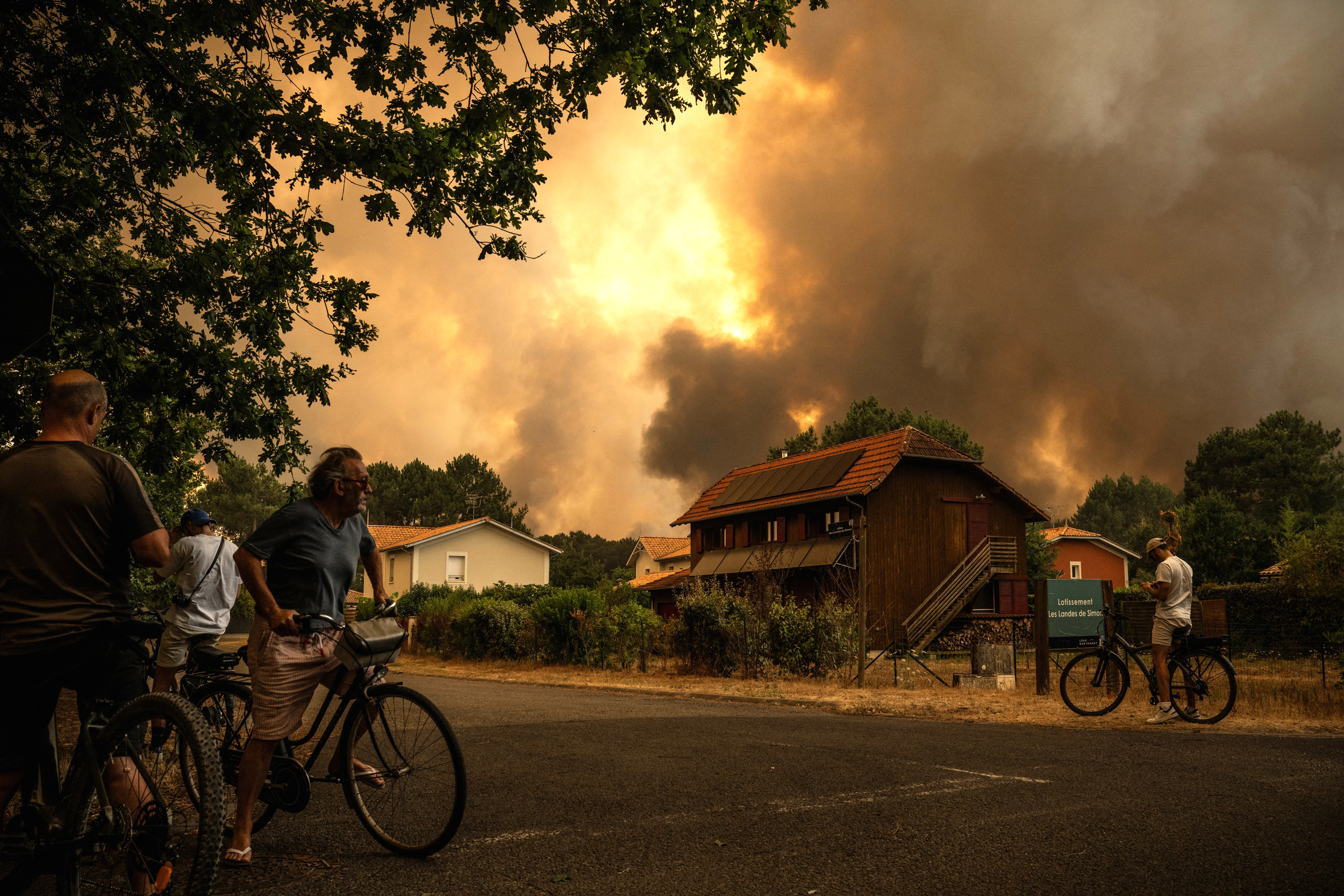
- Pyrocumulonimbus (pyroCb) clouds — fire-generated thunderstorms — are increasing as intense wildfires create their own weather, producing lightning that can ignite new blazes far from the original fire.
- Catatumbo, in Venezuela, experiences thunderstorms on 140 to 160 nights a year due to warm lake air colliding with Andean ridges, making it the world’s most lightning-prone location.
Why it matters: As global temperatures rise, increased dry lightning and fire-generated pyroCb storms are expanding wildfire ignition risks in remote areas, where response is difficult and burns are larger. This shift raises the stakes for fire management in Australia, the U.S., and other fire-prone regions already facing hotter, drier conditions.
Ask SkimNews