A trip down the road that will determine the fate of the Amazon — SkimNews
Get the Energy newsletter
Daily energy & climate — solar, EVs, oil, the policy fights and tech bets shaping the transition. Free.
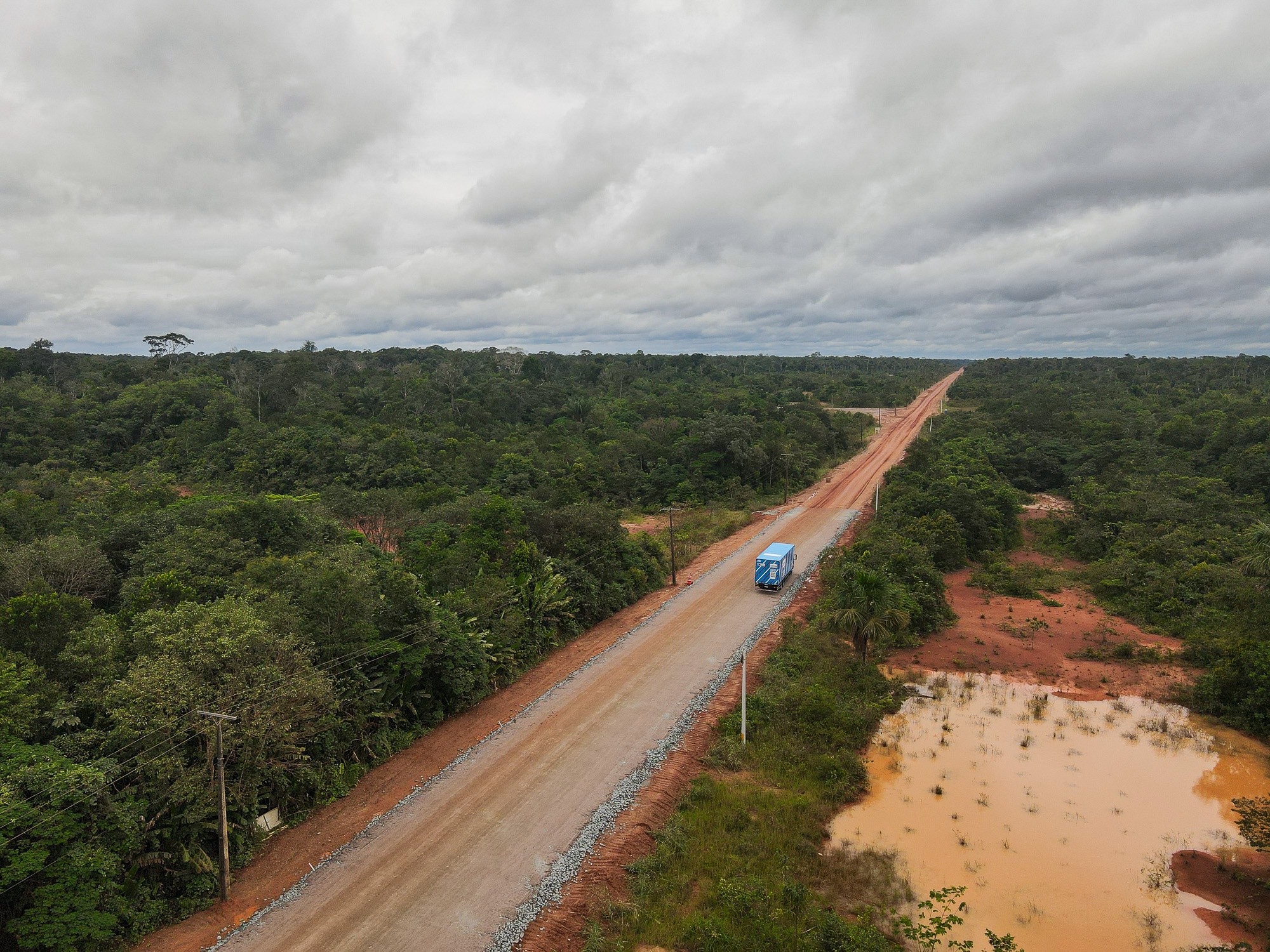
- BR-319 is a 540-mile highway and the sole road connecting Amazonas, home to 4.2 million people, to the rest of Brazil; sections are now being asphalted after decades of disrepair.
- The Amazon biome holds an estimated 150 to 200 billion tons of carbon in its plants and soils, which scientists warn will be released if paving triggers the deforestation they say is inevitable.
- Jair Bolsonaro's 2018 pledge to repave the road alone drove a 122% rise in deforestation in the surrounding area between 2020 and 2022, even before construction began.
- Brazil's Congress passed a 2025 law letting work on existing roads bypass environmental licensing, overriding President Lula's partial veto.
- Minister of Transportation George Santoro announced that, after bidding opened in May, the entire BR-319 will be under construction by the end of June.
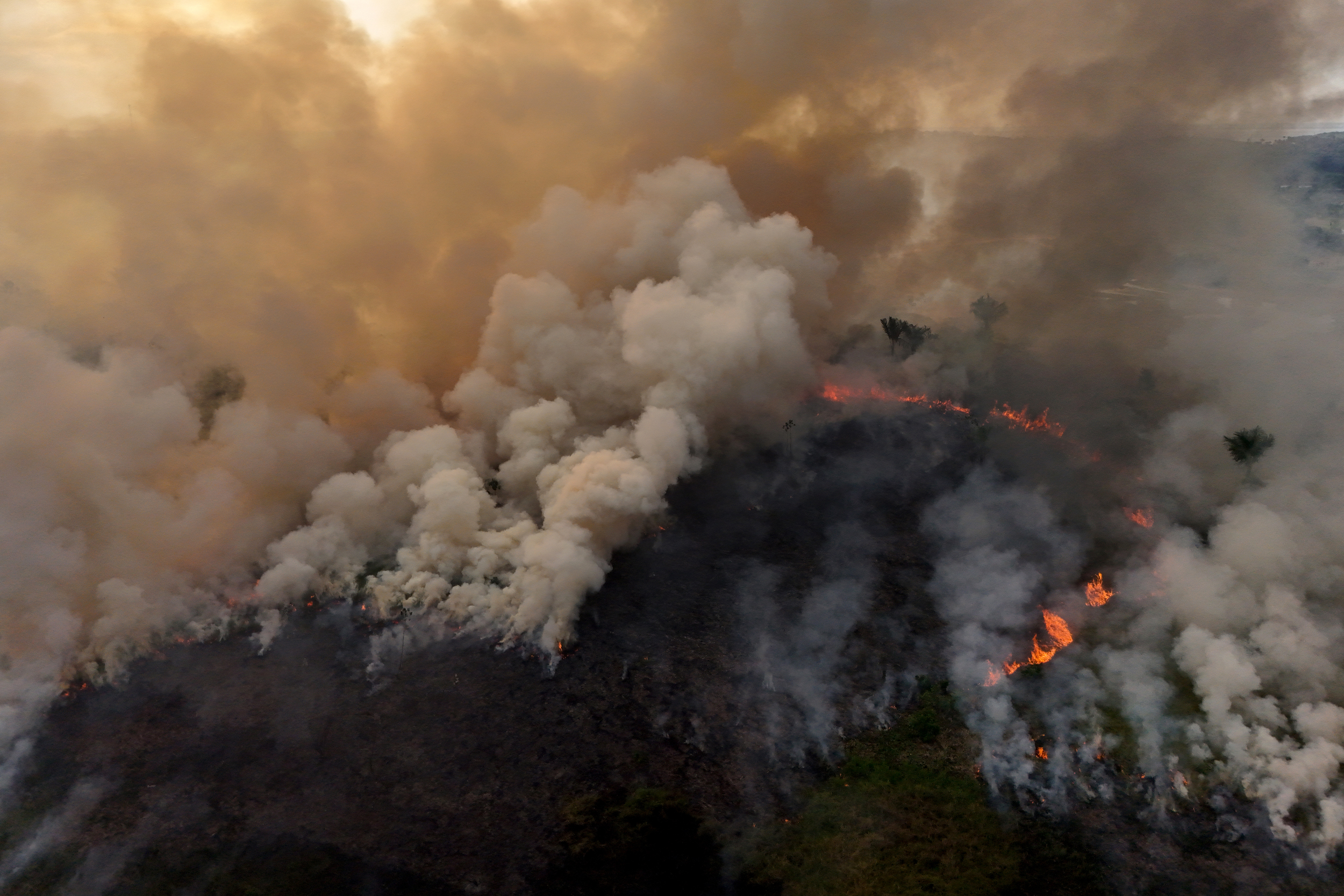
- Manaus was shrouded in smoke for three months in 2023, with satellite and atmospheric research showing much of the pollution originated from forest-clearing blazes in districts like Careiro at the start of the BR-319.
- 94% of deforested Amazon area sits within 3 miles of a road, per the source's framing that road-building is the leading edge of forest loss.
Why it matters: For Amazonas's 4.2 million residents, paving the BR-319 ends decades of isolation and lowers the cost of moving goods out of Manaus, a major manufacturing center. For the Amazon and global climate, the same project risks a deforestation cascade in a biome storing 150-200 billion tons of carbon — a risk amplified by a 2025 law that stripped environmental licensing requirements after Lula's veto was overridden.
Ask SkimNews