Summer wildfires caused catastrophic hidden damage, scientists warn — SkimNews

Get the Energy newsletter
Daily energy & climate — solar, EVs, oil, the policy fights and tech bets shaping the transition. Free.
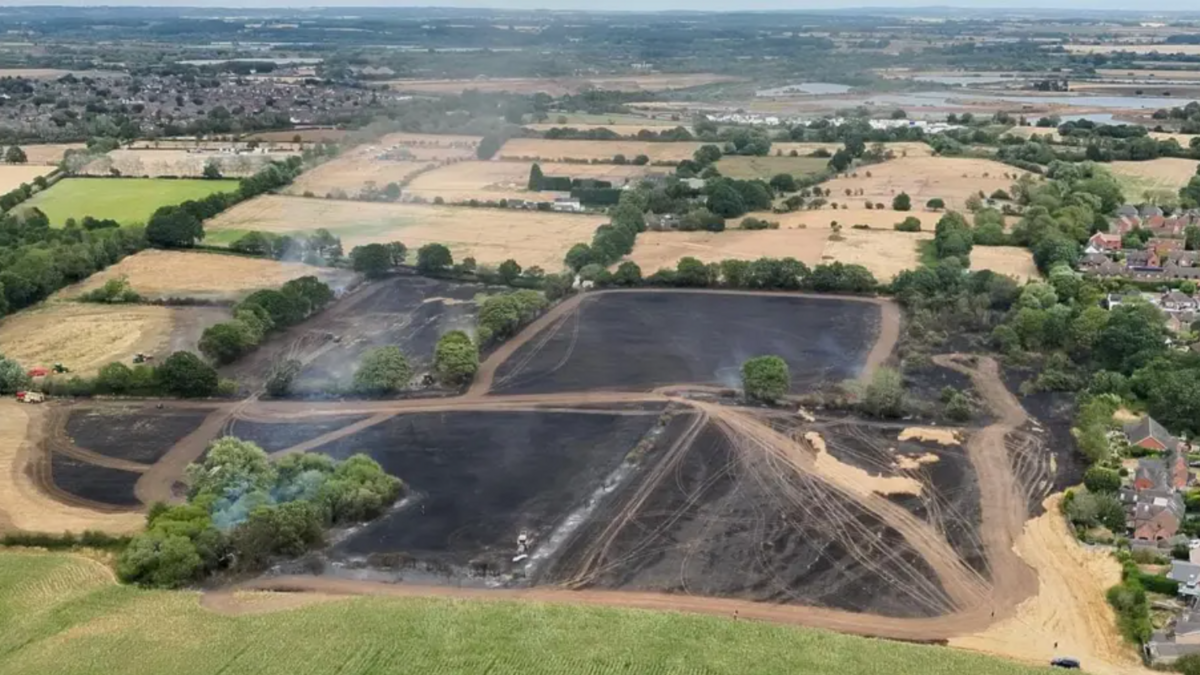
- Prof Davey Jones of Bangor University is leading a multi-site survey across Wales, warning the damage was 'far greater than what was immediately visible' and that 'the real story is below our feet.'
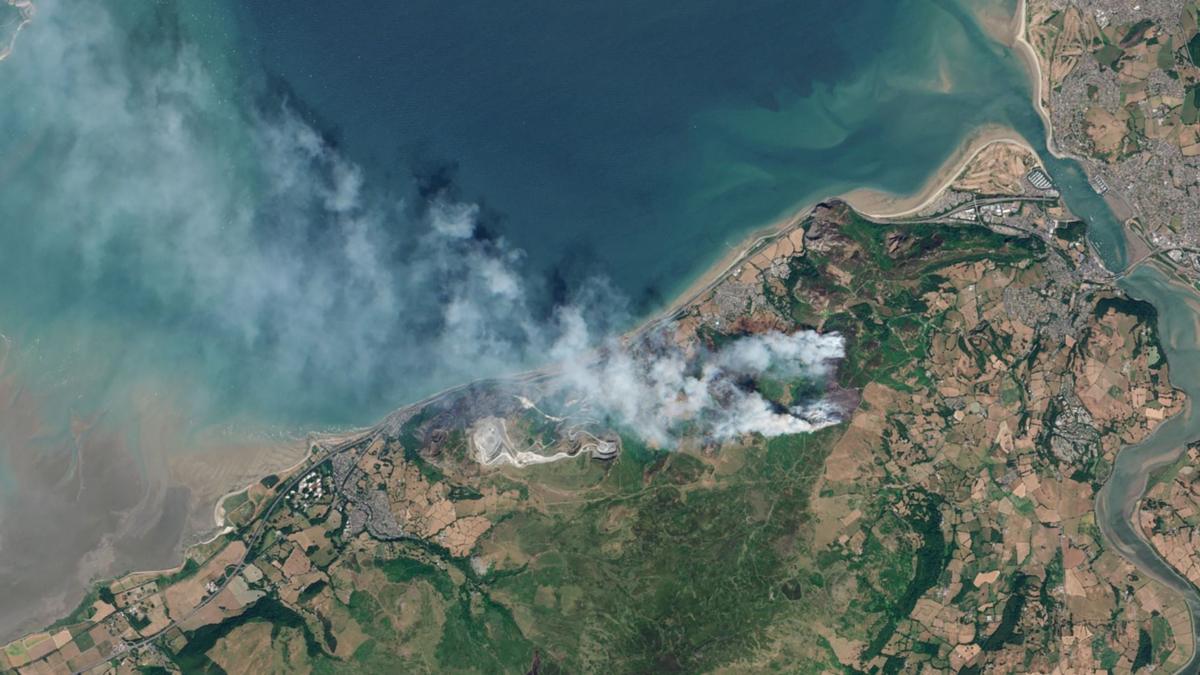
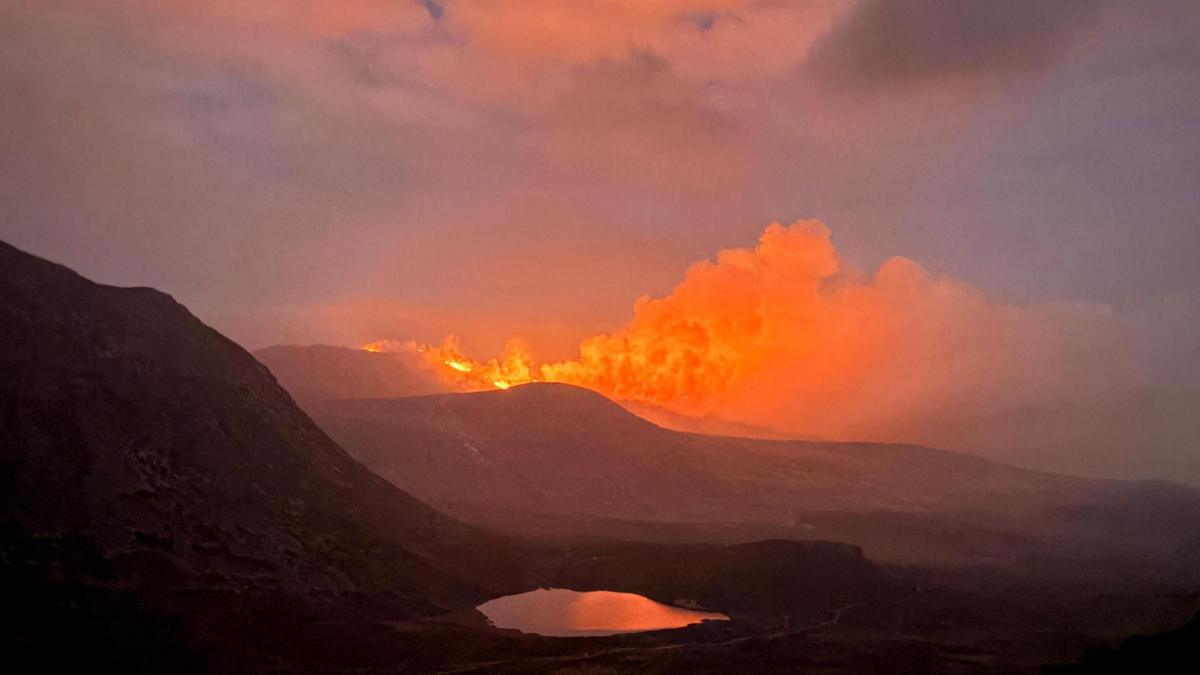
- At Sychnant Pass in Conwy county, one of the season's most significant blazes forced the evacuation of 36 homes and scorched roughly 200 acres, with Jones estimating about 10 cm of soil was lost.
- Jones said the lost topsoil represented '4,000 years of carbon gone in a single event' — an organic layer that 'once gone, we can never recover' naturally.
- The Sychnant Pass site hosts a rare ecosystem of specialist plants, butterflies and insects for which the UK is 'the epicentre globally,' Jones said.
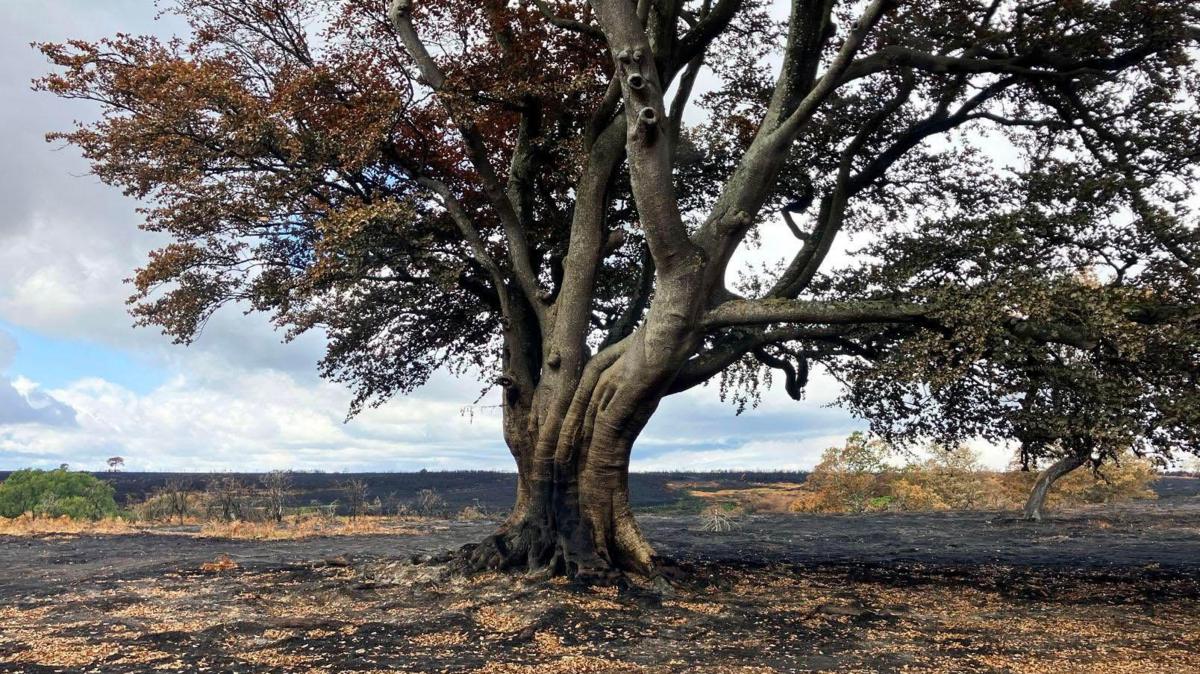
- Dr Kara Marsden warned that visible green shoots don't signal true recovery — heather and gorse with shallow roots are 'completely gone' and could take thousands of years to regrow.
- Jones described wildfires as a 'self-sustaining cycle' of drier soils, more fires, and more carbon released, warning the habitat could be lost 'within our lifetime' without rapid restoration.
- The Bangor University team is racing to collect soil samples before winter rainfall washes evidence away, using NASA satellite data to identify newly burned sites for the two-year recovery study.
Why it matters: Roughly 2,760 acres of north Wales countryside burned in July alone, and Jones estimates 10 cm of soil holding 4,000 years of stored carbon was lost at Sychnant Pass. The Bangor team is now researching engineered soils because natural recovery is impossible, and Jones warns drier soils and more fires will accelerate the cycle.
Ask SkimNews