Kajiado Maasai Welcome First Rains as Kenya Drought Crisis Deepens — SkimNews

Get the Energy newsletter
Daily energy & climate — solar, EVs, oil, the policy fights and tech bets shaping the transition. Free.
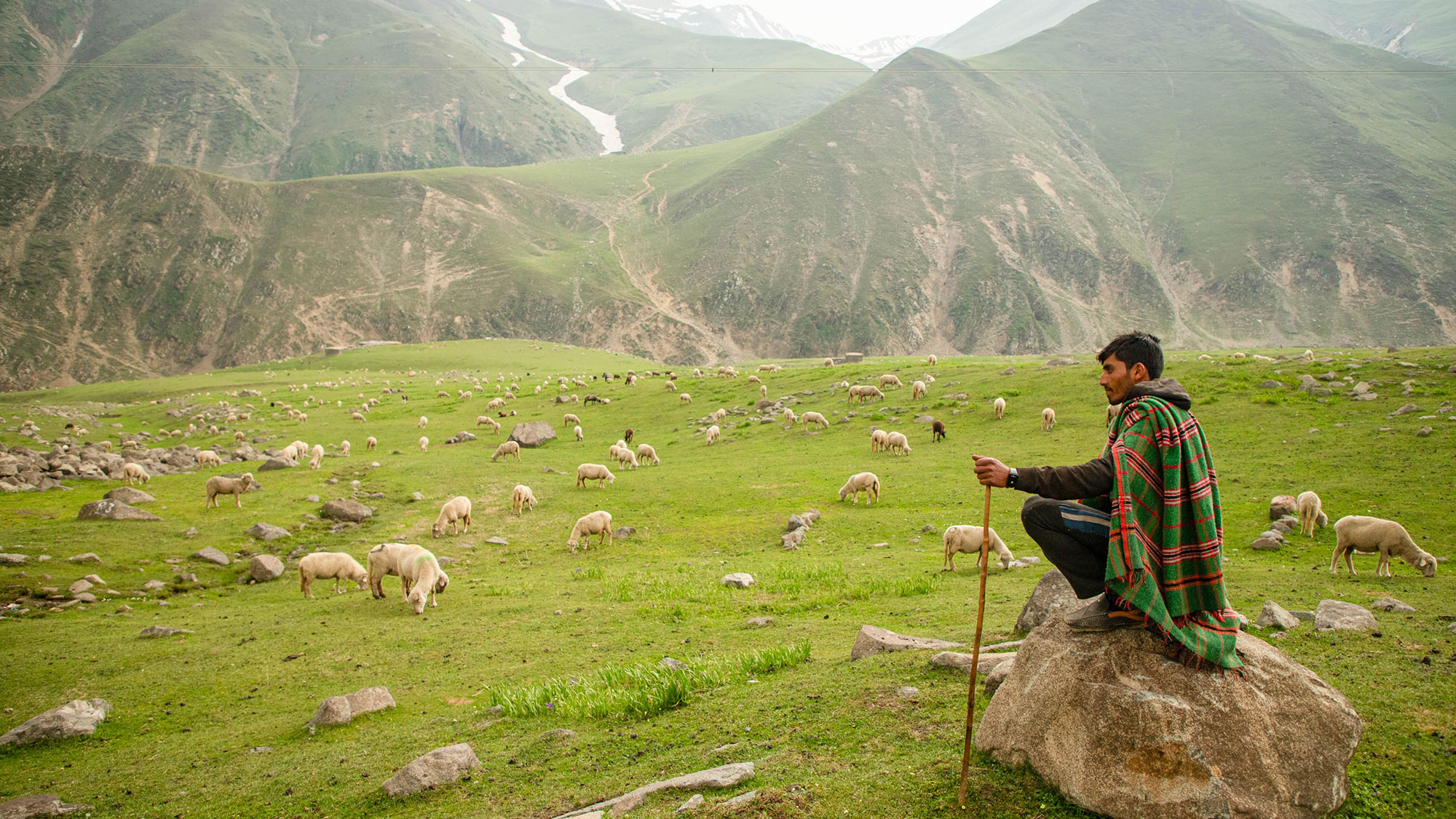
- Abraham Kampalei, a 70-year-old Maasai elder in Oldonyonyokie, welcomed rain after four dry months but warned the drought is "far from over," saying he has already lost 10 cows and sent his remaining livestock to distant grazing lands.
- Kenya's National Drought Management Authority reported 10 counties, including Kajiado, are in drought conditions, with Kajiado classified in the "alert" phase after four consecutive failed rainy seasons in East Africa.
- Meteorologist Joyce Kimutai attributed the escalating severity to La Niña compounded by human-caused greenhouse gas emissions, noting drought is now expanding into southern regions historically spared from such extremes.
- More than 2 million people across Kenya face worsening food insecurity following poor October-to-December 2025 short rains, according to the World Health Organization.
- Sian Diana, an 18-year-old secondary school graduate, has lost 22 cows this year and fears her family will marry her off for dowry — a risk that rises as Maasai households lose livestock, with 12.5% of Kenyan girls married before 18 per Girls Not Brides.
- James Sankaire, a former NDMA drought monitor and Maasai "prophet," documented the shift from major droughts every 10 years (1974, 1984, 1994) to droughts every 2-3 years (2011, 2019, 2022, 2026), blaming invasive mathenge mesquite trees for worsening soil deterioration.
- Maasai communities are being pushed into labor they never historically performed — herding other people's livestock, building fences, and working as security guards in Nairobi — as pasture depletion collapses their traditional pastoral economy.
Why it matters: The drought cycle in Kajiado has compressed from once a decade to every 2-3 years, forcing cultural transformation on a community that historically never did casual labor and putting an estimated 2 million Kenyans into worsening food insecurity. For Maasai households, the livestock-to-dowry-to-child-marriage pipeline means today's pasture collapse directly threatens girls' education and bodily autonomy.
Ask SkimNews