Heavy rain on dry ground may cause UK floods but will not reverse drought — SkimNews

SkimNews Take
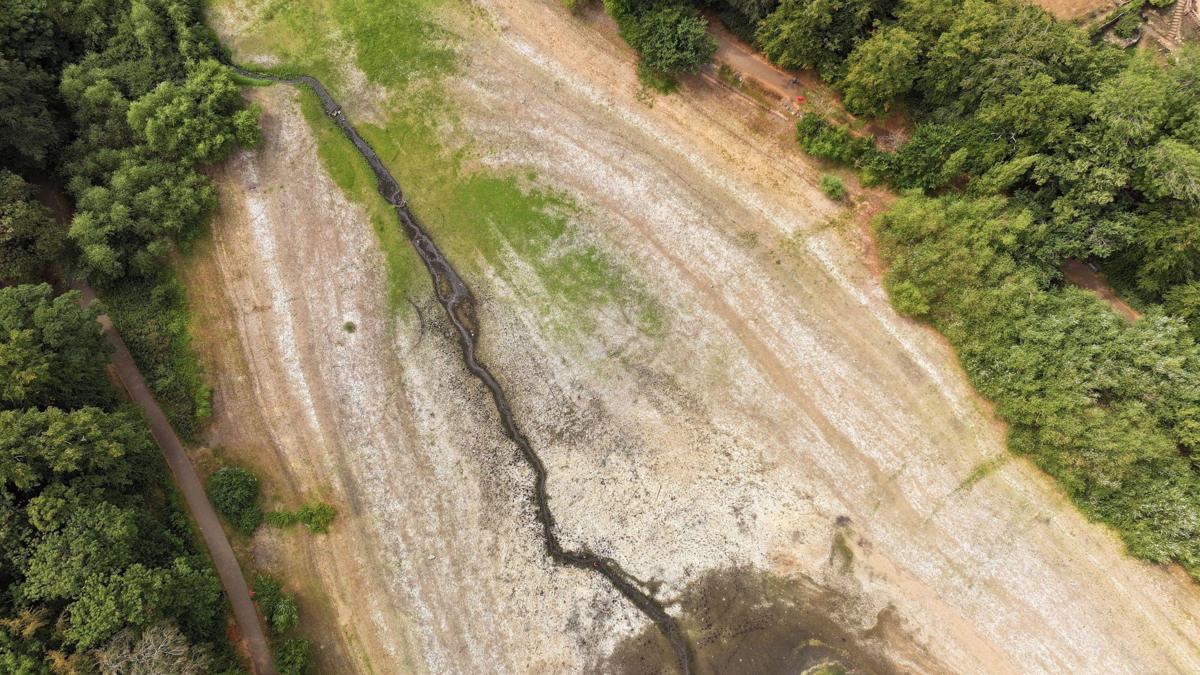
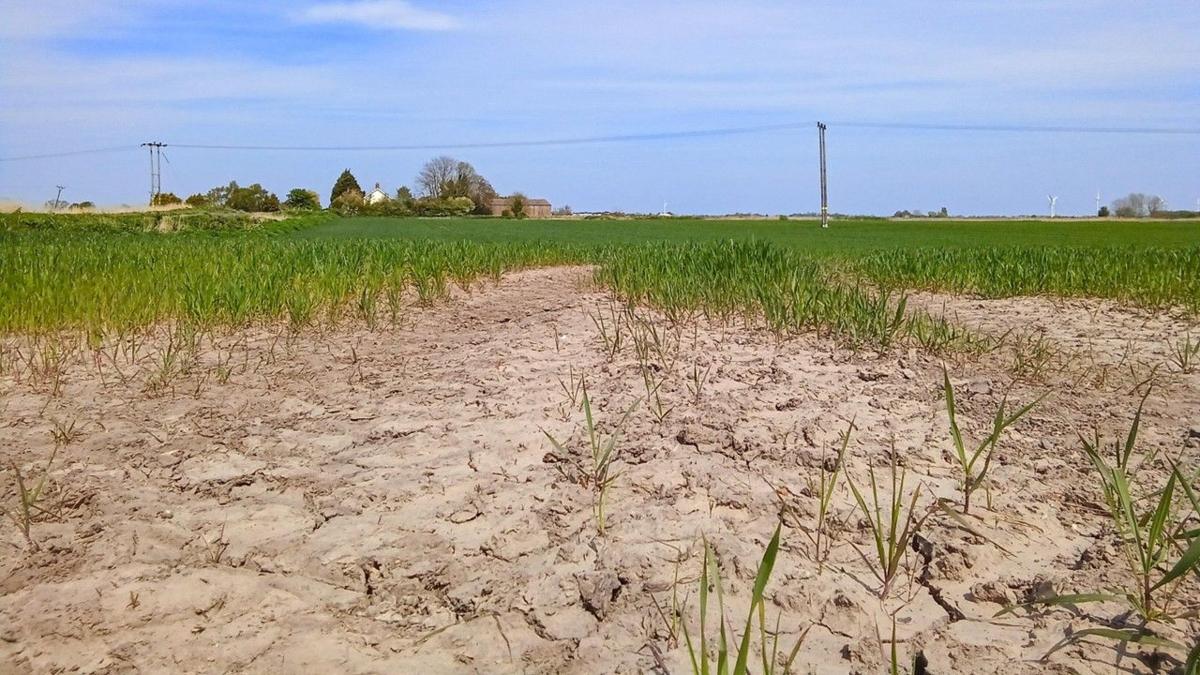
Drought-hardened soil sheds rain as runoff instead of absorbing it, so each deluge becomes a missed opportunity to refill the very reservoirs water companies are simultaneously rationing.
Get the Energy newsletter
Daily energy & climate — solar, EVs, oil, the policy fights and tech bets shaping the transition. Free.
- South East Water told Kent customers to use water only for "essential" purposes after taps ran dry Monday for around 8,000 customers; supplies were restored to 7,400 homes but about 400 remained without water.
- Wessex Water imposed a hosepipe ban covering 1.4 million customers in Bath, Somerset, Dorset and Wiltshire — its first since the summer of 1976.
- Thames Water reported its 23 July hosepipe ban cut household demand by 3% in London and over 6% in the Thames Valley; London reservoir storage sits at 74%, far below seasonal norms.
- The Met Office forecasts showers Tuesday in the north and widespread heavy rain Thursday across much of the UK, but warned surface water flooding is likely as rain falls on hard, dry ground.
- Environment Agency data shows five of England's key reservoirs are "exceptionally low," with the National Hydrological Monitoring Programme warning low supplies will likely persist into autumn.
- Liz Stephens, a professor at the University of Reading, said the south-east remains a month's worth of rain below normal and it will take many weeks of sustained rainfall for rivers and reservoirs to recover.
Why it matters: Wessex Water's ban adds 1.4 million customers to the UK's restricted-tap roster during a drought the Met Office says will linger into autumn — Thames catchment rainfall in July was just 2% of the long-term average. A Defra spokesperson publicly calling South East Water's performance "simply not good enough" signals direct political pressure on utilities to accelerate leak repairs.
Ask SkimNews