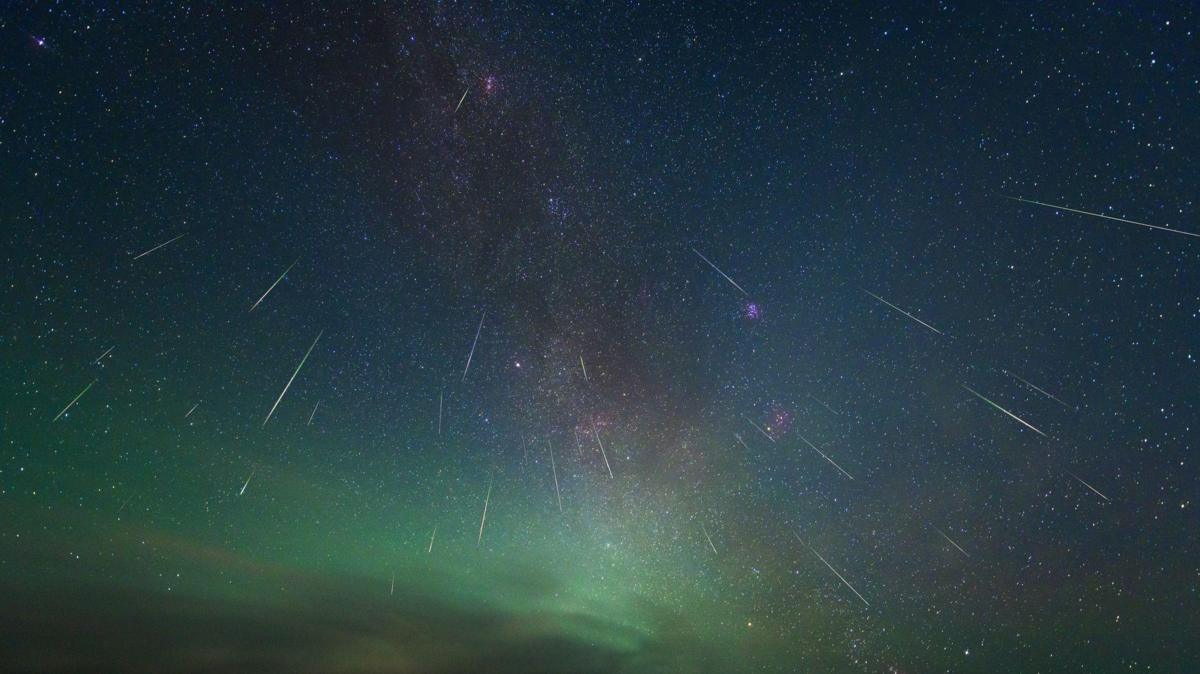
Lyrid Meteor Shower Peaks April 22-23 — SkimNews
Get the Health newsletter
Daily health & science — research, biotech, public health, the studies worth knowing. Free.
- The Lyrid meteor shower peaks during the late evening of Wednesday 22 April into the early hours of Thursday 23 April, having been active since 16 April.
- The radiant sits in the constellation Lyra, close to the bright star Vega, with meteors fanning out in all directions at a maximum rate of about 18 per hour.
- Lyrids are characterized as bright and fast, sometimes leaving smoky 'trains' across the sky as they burn up in the atmosphere.
- Records of the Lyrids stretch back to 687 BC, making the shower one of the oldest meteor displays on record.
- The meteoroids originate from comet Thatcher, discovered in 1861, and were once part of the comet's tail of dust.
- Best viewing comes after midnight once eyes have adjusted to the dark, a process the source notes takes 20 to 30 minutes.
- Southern hemisphere observers face restricted views because the radiant will lie low in the northern sky.
Why it matters: Northern hemisphere skywatchers have a narrow window overnight Wednesday 22 April into Thursday morning to catch the peak, with only about 18 meteors per hour at maximum and a 20–30 minute dark-adaptation period required; viewers south of the equator are largely shut out because the radiant stays low on the northern horizon.
Ask SkimNews