Bannock County Set to Reverse Its Renewables Ban — SkimNews
Get the Energy newsletter
Daily energy & climate — solar, EVs, oil, the policy fights and tech bets shaping the transition. Free.
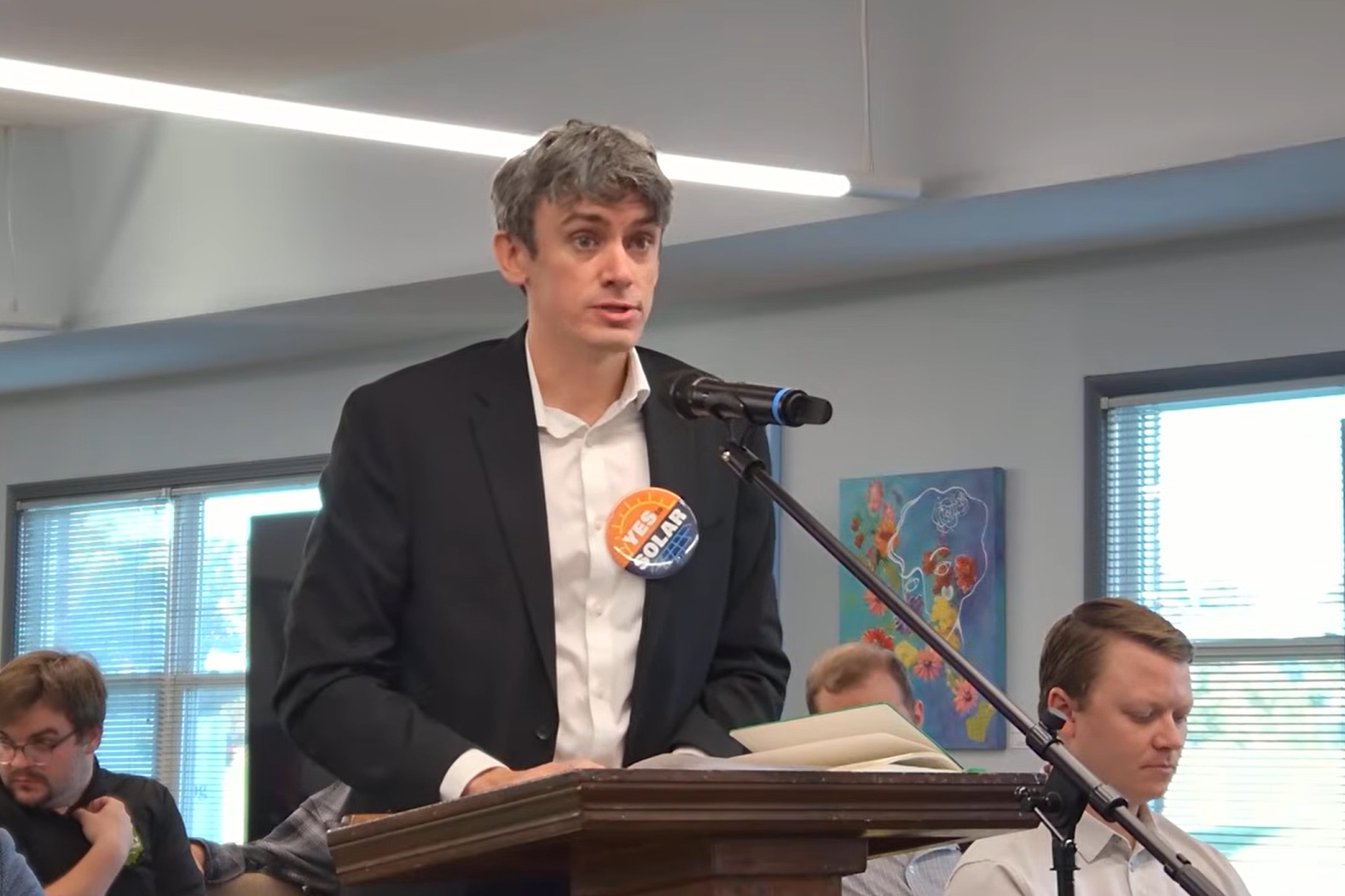
- Jeff Hough was the lone dissenter in March 2024 when Bannock County commissioners voted 2–1 to ban utility-scale solar and wind; he is now commission chair and is championing a new ordinance to be voted on this fall that would permit solar, wind, and nuclear development.
- Bannock County's reversal bid bucks a national trend: nearly 1 in 4 U.S. counties had some kind of ban, moratorium, or impediment to clean energy in 2025, up from 15% of counties in 2023, and more than 60% of counties with bans are rural.
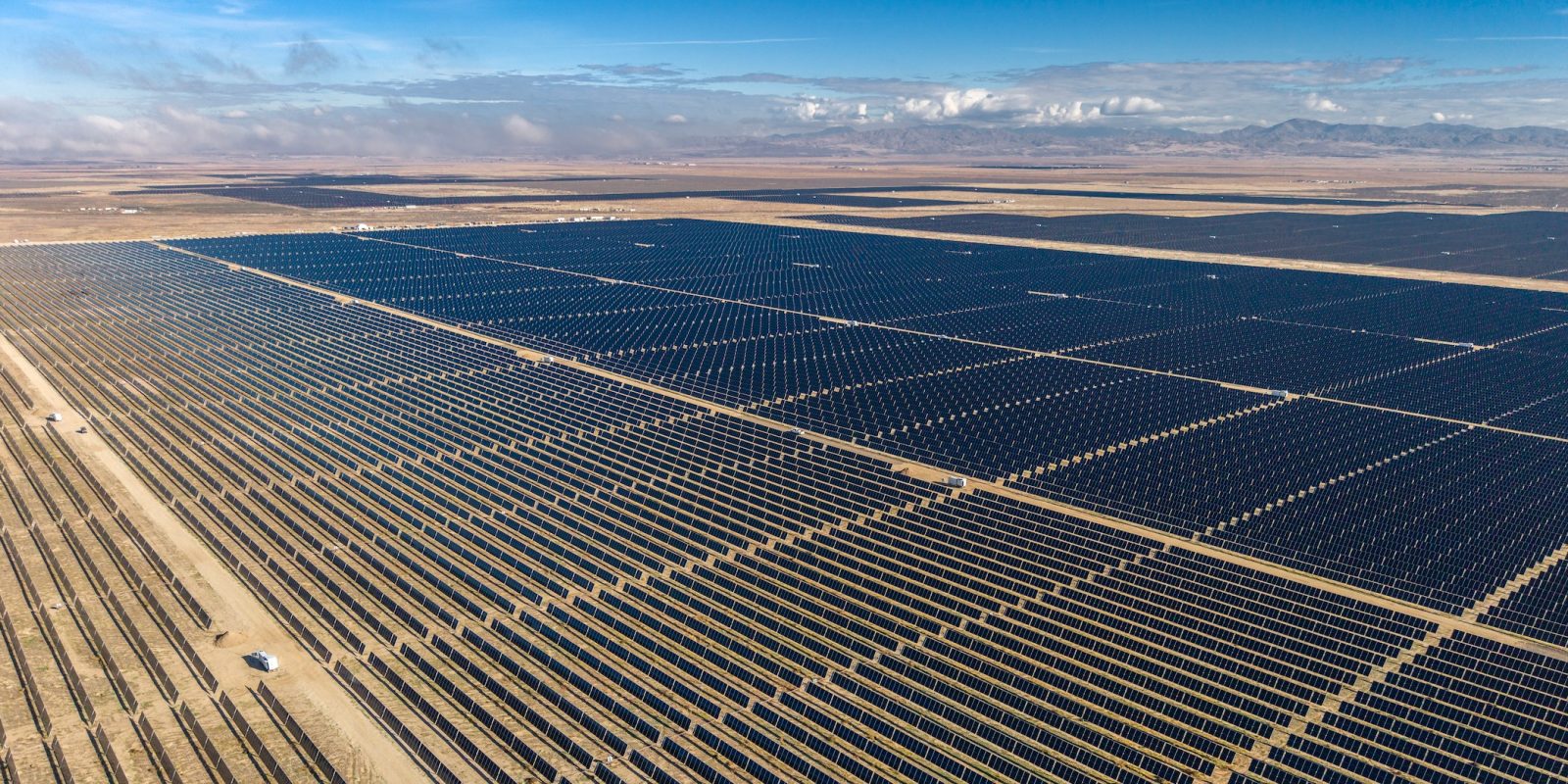
- Idaho Power, the state's largest utility, expects electricity demand to grow by 1 gigawatt by 2030 — roughly a 26% jump — and Bannock County's location at the Populus substation makes it a prime, lower-cost build site for new generation feeding Idaho, Utah, Wyoming, and the Pacific Northwest.
- Hough himself originally spearheaded a six-month moratorium in October 2023 after hearing warnings about the Lava Ridge Wind Project at an Idaho Association of Counties conference in Boise — the very moratorium that residents then pushed to make permanent in March 2024.
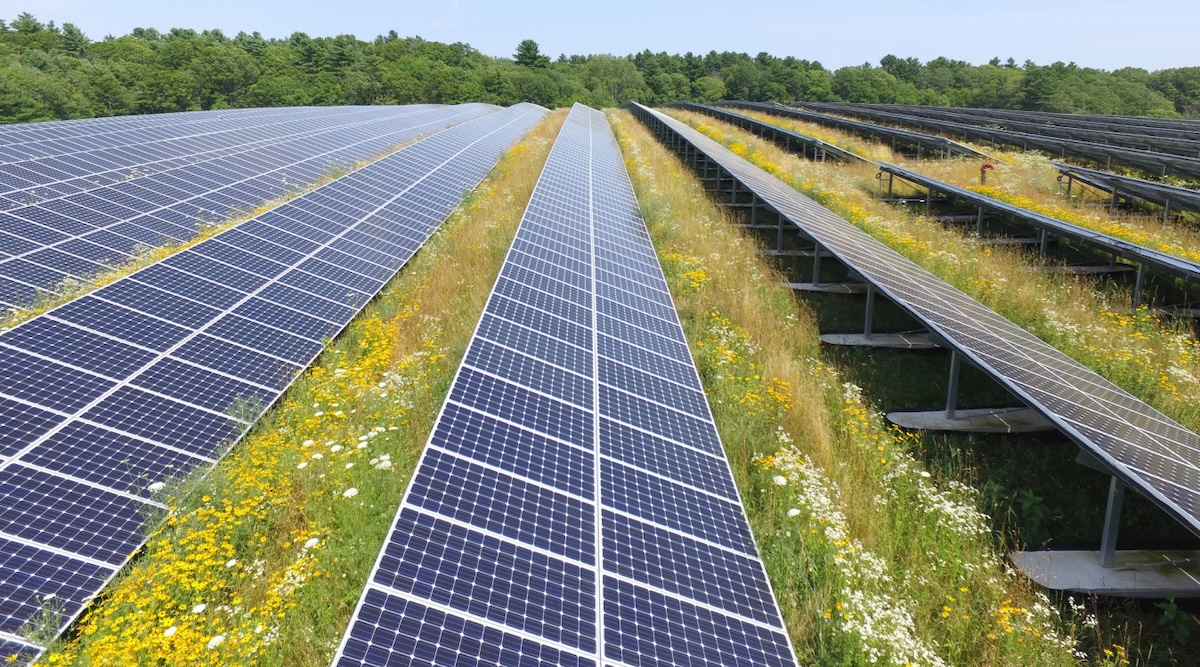
- The push to convert the moratorium into a permanent ban was led by Rebecca Falcon and Dez Hauser, residents who rejected Balanced Rock Power's proposed 300-megawatt Harmon Solar Project with 1,200 megawatt-hours of on-site battery storage; Hecate Energy subsequently pulled out of the county entirely after the ban took hold.
- Hough points to neighboring Power and Bingham counties, which generated $909,000 and $639,000 respectively in tax revenue from renewable projects in 2024, as proof Bannock County is missing out on economic development as rural services shrink and drought hits family farms.
- The fight has split south Bannock County: Hough won his Republican primary by 14 percentage points overall, but his anti-solar challenger captured 70% of the vote in Downey — the same town at the center of the opposition campaign.
Why it matters: Bannock County sits at the Populus substation — one of the region's most efficient build locations — and its commission vote this fall will decide whether one of Idaho's prime sites reopens for utility-scale solar and wind just as Idaho Power forecasts a 26% demand jump by 2030. A reversal puts roughly $1.5 million in renewable tax revenue (the combined 2024 totals from neighboring Power and Bingham counties) back within reach for a county whose rural communities are watching services disappear.
Ask SkimNews