Tesla FSD v14 Sparks Driver Complacency Concerns — SkimNews
Get the Energy newsletter
Daily energy & climate — solar, EVs, oil, the policy fights and tech bets shaping the transition. Free.
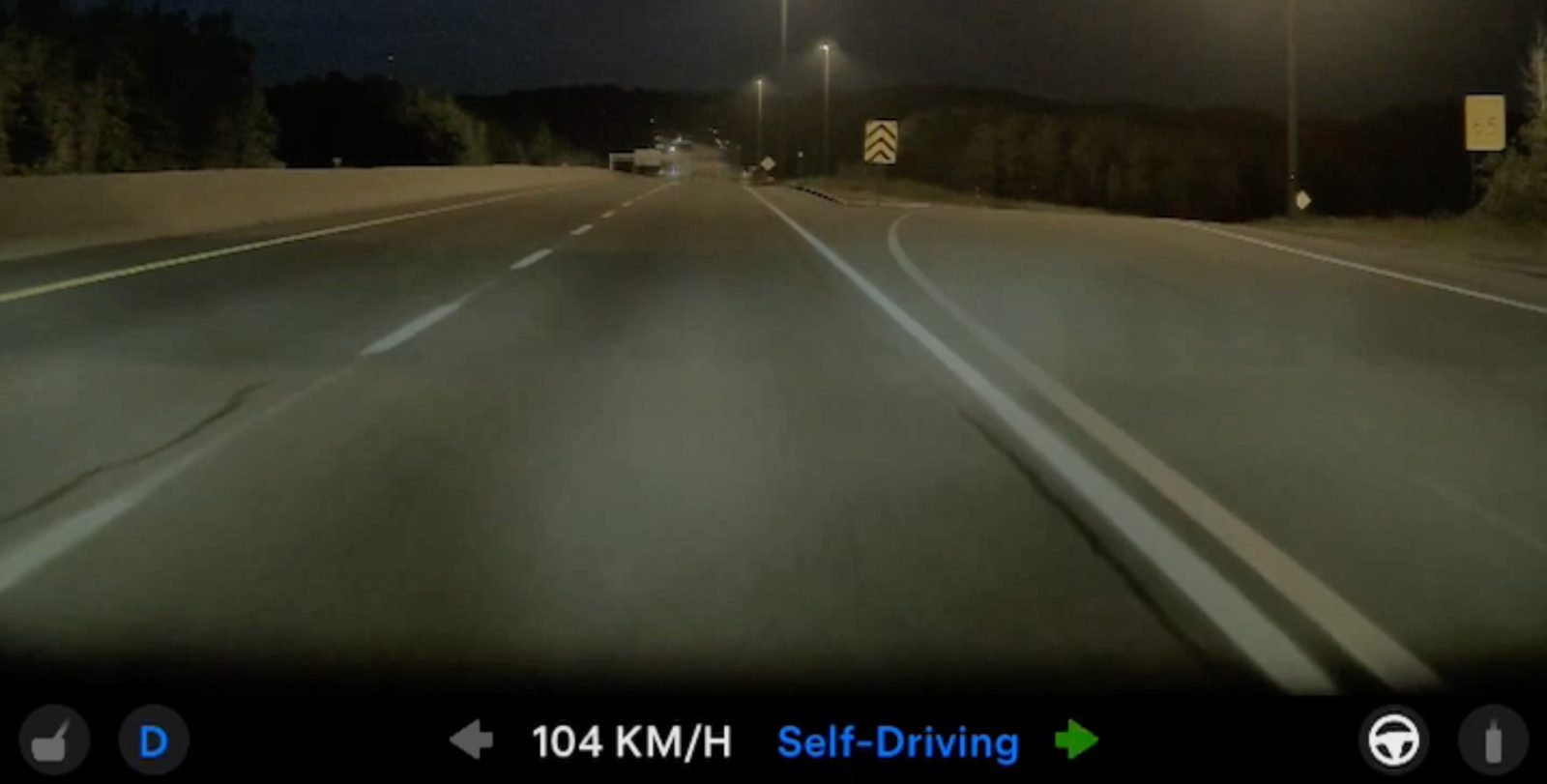
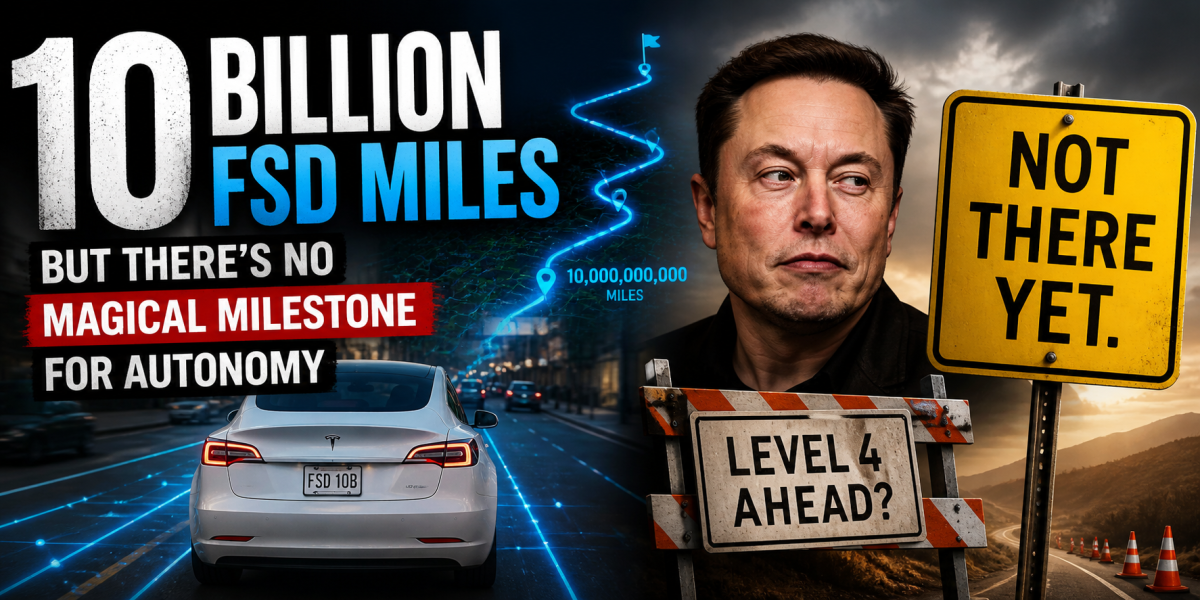
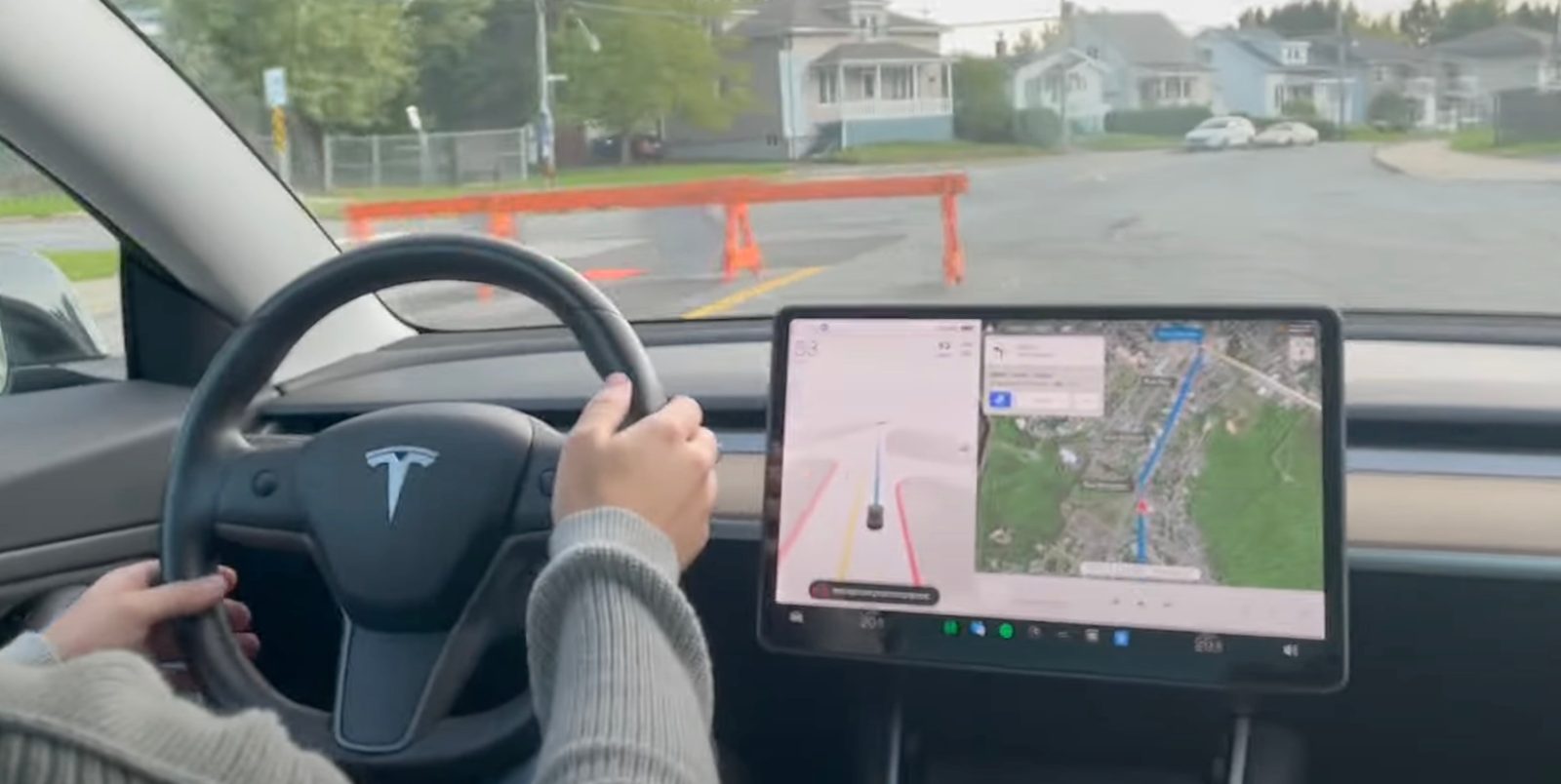
- Tesla's Full Self‑Driving (FSD) v14 can travel a couple thousand miles between critical interventions, roughly 30‑40 hours of driving without driver takeover.
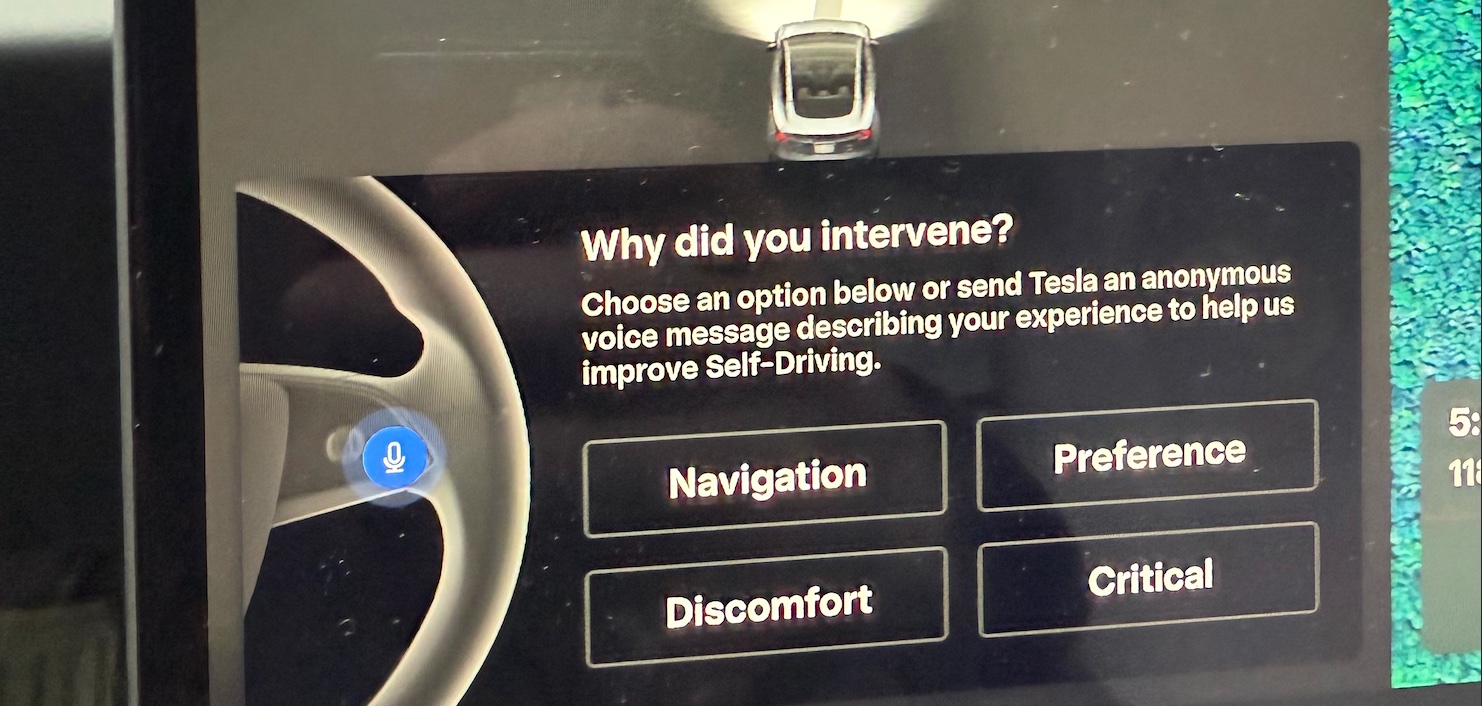
- Drivers experience vigilance decrement when monitoring FSD v14 for extended periods, needing 5‑8 seconds to reengage after a handoff.
- Raffi Krikorian, former head of Uber’s self‑driving division, crashed his Tesla Model X while using FSD after the system lost its bearings and he couldn’t recover.
- Insurance Institute for Highway Safety warned automakers must redesign Level 2 systems to guard against driver complacency, and NHTSA expanded crash‑reporting requirements for Level 2 ADAS.
- Reuters reported that seven of nine former Tesla data labelers said they would not trust FSD to drive them.
- Tesla's X marketing frames FSD as a “personal chauffeur” and highlights older or disabled drivers, implying they can drive without supervision.
- Elon Musk said FSD may allow texting while driving depending on traffic context and claimed that by V14.3 the car will feel “sentient,” a psychological prompt that may increase trust.
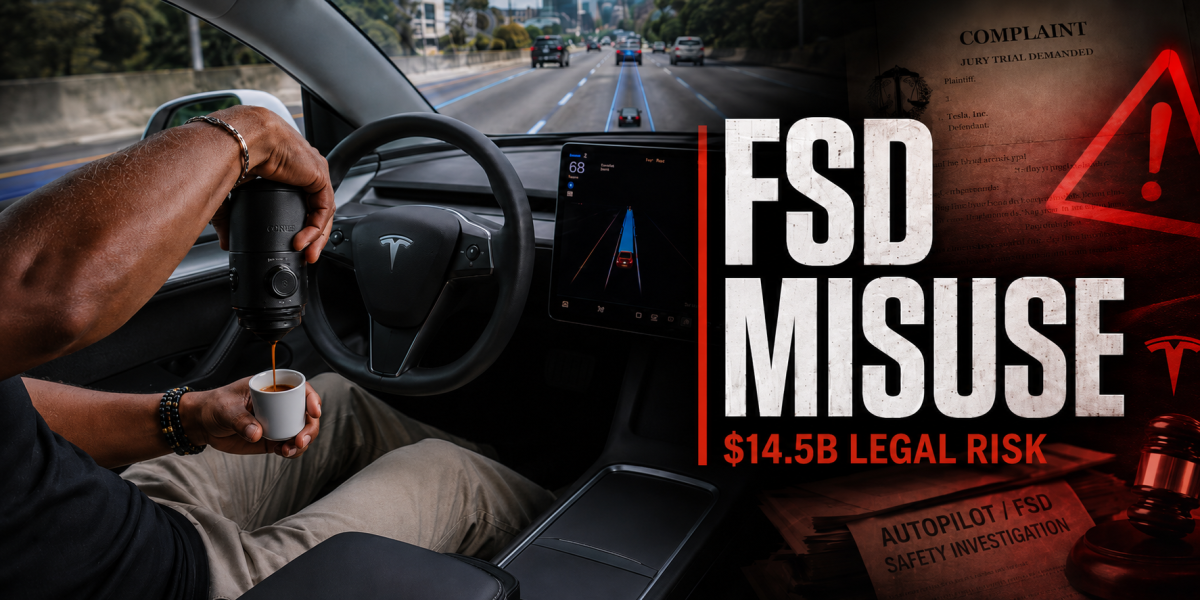
Why it matters: Drivers risk dangerous lapses of attention as Tesla’s increasingly capable FSD v14 lulls them into complacency, while Tesla’s marketing amplifies the false sense of safety. Regulators and insurers could face more crashes and liability, and the company may confront legal challenges over misleading promotions.
Ask SkimNews