Glyphosate Cuts Bee Foraging 13%, Alters Brains — SkimNews

Get the Health newsletter
Daily health & science — research, biotech, public health, the studies worth knowing. Free.
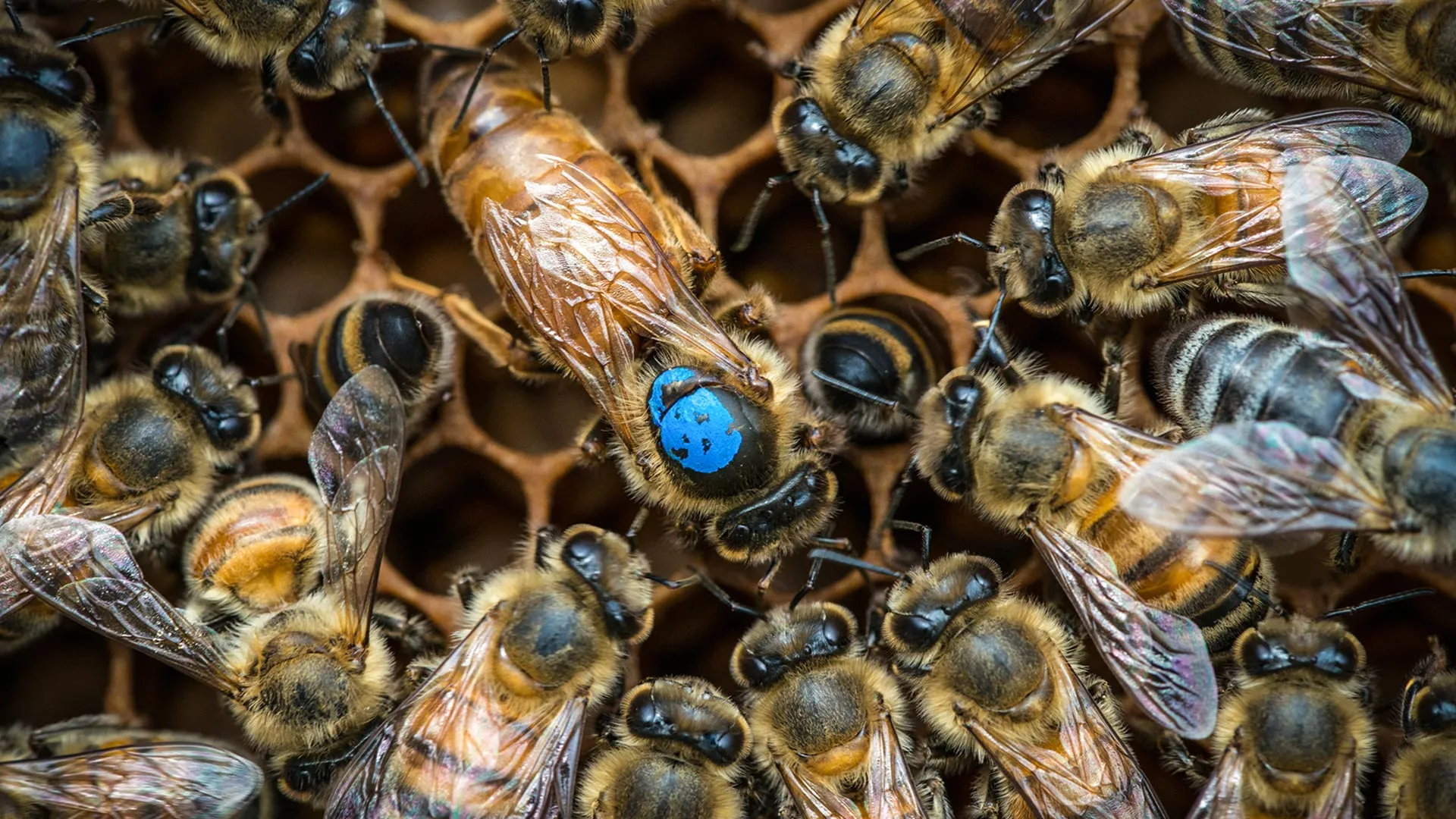
- Virginia Tech researchers found that honeybees exposed to glyphosate showed a 13% reduction in foraging within just three days, along with changes in brain amino acids and neurotransmitters not seen in unexposed bees.
- Associate Professor Margaret Couvillon led the study with Ph.D. student Laura McHenry, published in the Journal of Experimental Biology, to test whether the world's most-applied pesticide causes sublethal impairments in pollinators.
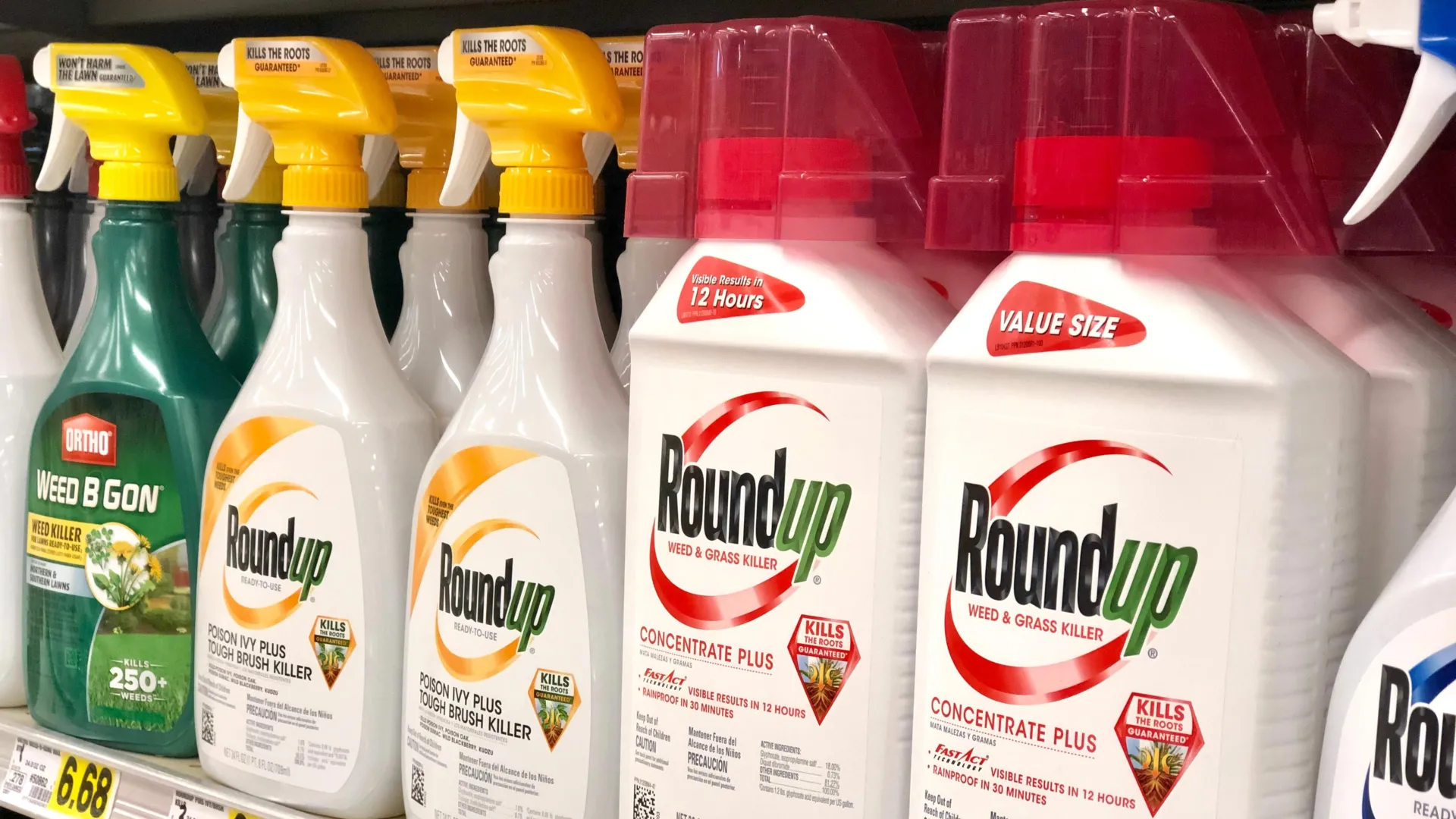
- Glyphosate was long considered harmless to honeybees because they lack the plant enzyme the herbicide targets, but the research demonstrates the chemical still disrupts bee neurology and behavior through a different pathway.
- Couvillon warned that a 13% colony-wide foraging reduction 'could lead to decreased pollination effectiveness and reduced honey production, risking colony survival and long-term stability.'
- The research team called for regulation, strategic herbicide use, and further study of how weedkillers interact with pollinator biology, given how frequently foraging bees encounter glyphosate in flowering landscapes.
Why it matters: Beekeepers, farmers, and regulators now face evidence that a herbicide sprayed specifically to protect flowering crops may be quietly undermining the pollinators those crops depend on. A 13% foraging drop across a colony is enough to threaten honey production and pollination services, meaning glyphosate's reputation as a bee-safe chemical—built on the fact that it doesn't target any enzyme bees possess—may be due for revision as regulators weigh usage rules.
Ask SkimNews