Buck Moon Peaks 29 July: UK Viewing and August Eclipse Dates — SkimNews
Get the Health newsletter
Daily health & science — research, biotech, public health, the studies worth knowing. Free.
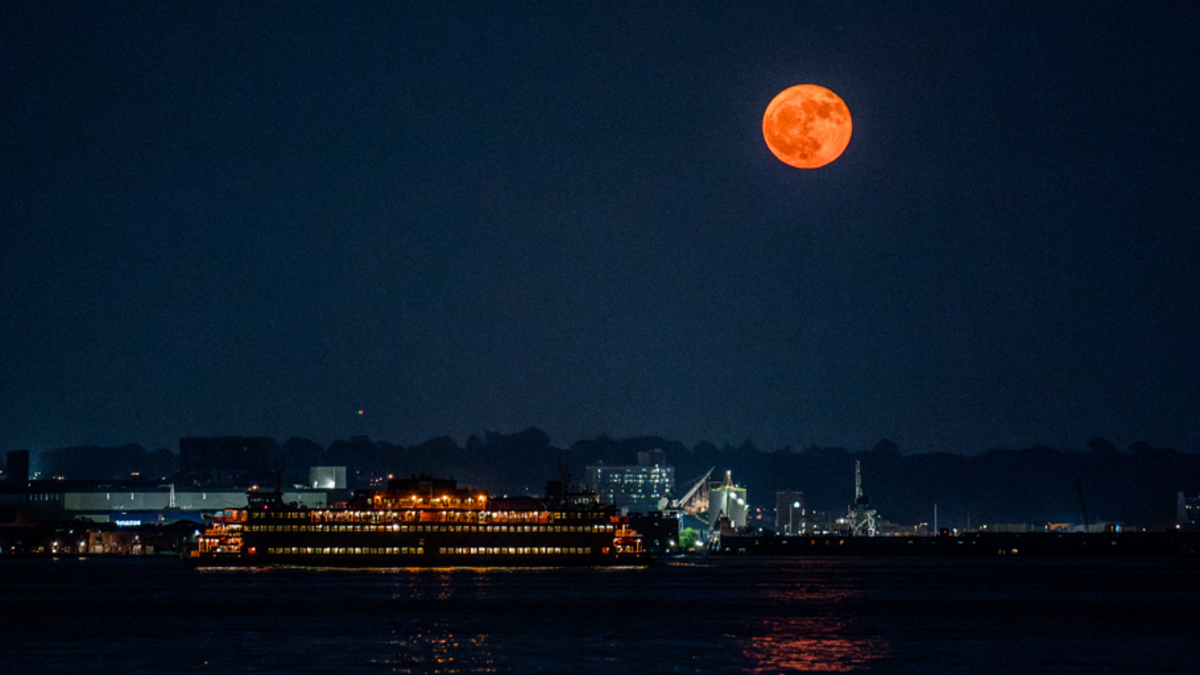
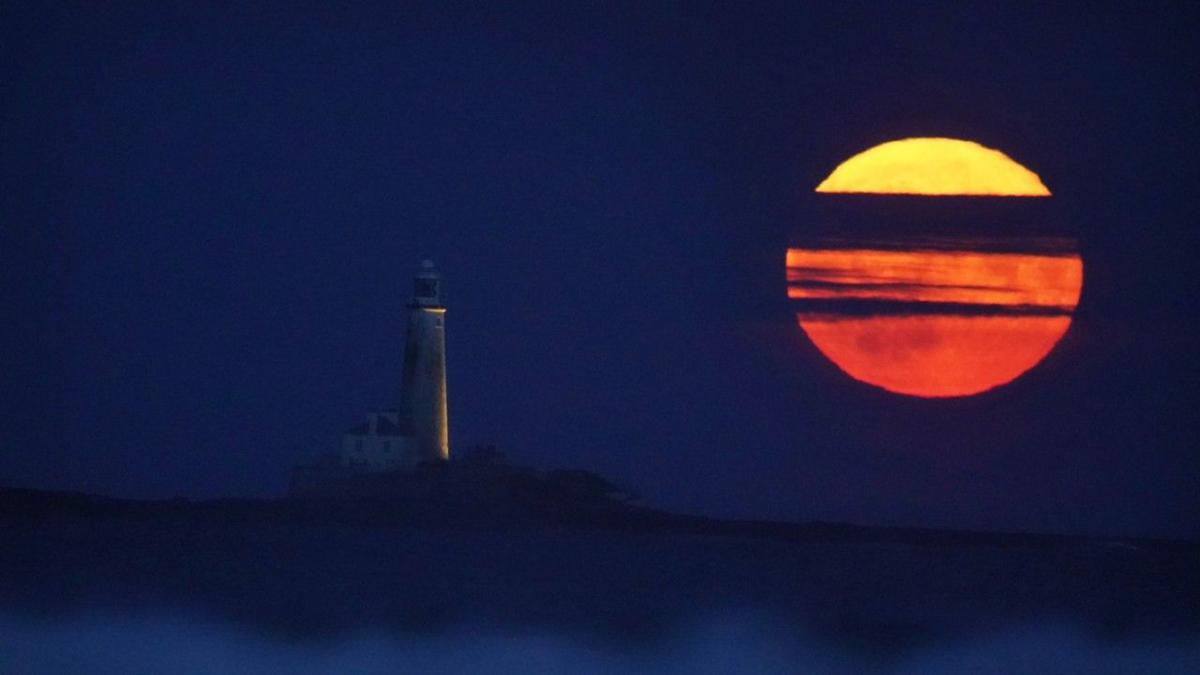
- Buck Moon will reach peak fullness at 15:36 BST on 29 July, though UK skygazers will miss the exact moment as the Moon sits just below the horizon — it will still appear full to the naked eye overnight Tuesday and Wednesday.
- The July full Moon earned the Buck Moon name from male deer rapidly growing a new set of antlers at this time of year, while the Royal Observatory in Greenwich also calls it the Thunder Moon due to summer storms, and others refer to it as the Hay Moon after the July harvest.
- England is forecast to have settled, largely clear skies after dark on 29 July with light winds and mild overnight temperatures, making viewing conditions favourable across central, southern and eastern areas.
- Scotland, Wales and Northern Ireland face more mixed conditions, with Scotland likely seeing the most cloud — especially in western areas — while eastern and northern districts should catch clear spells between any showers.
- The Perseid meteor shower peaks overnight on 12 August into the predawn hours of 13 August, coinciding with the first total solar eclipse visible over mainland Europe since 1999, with totality limited to Spain and northern Portugal.
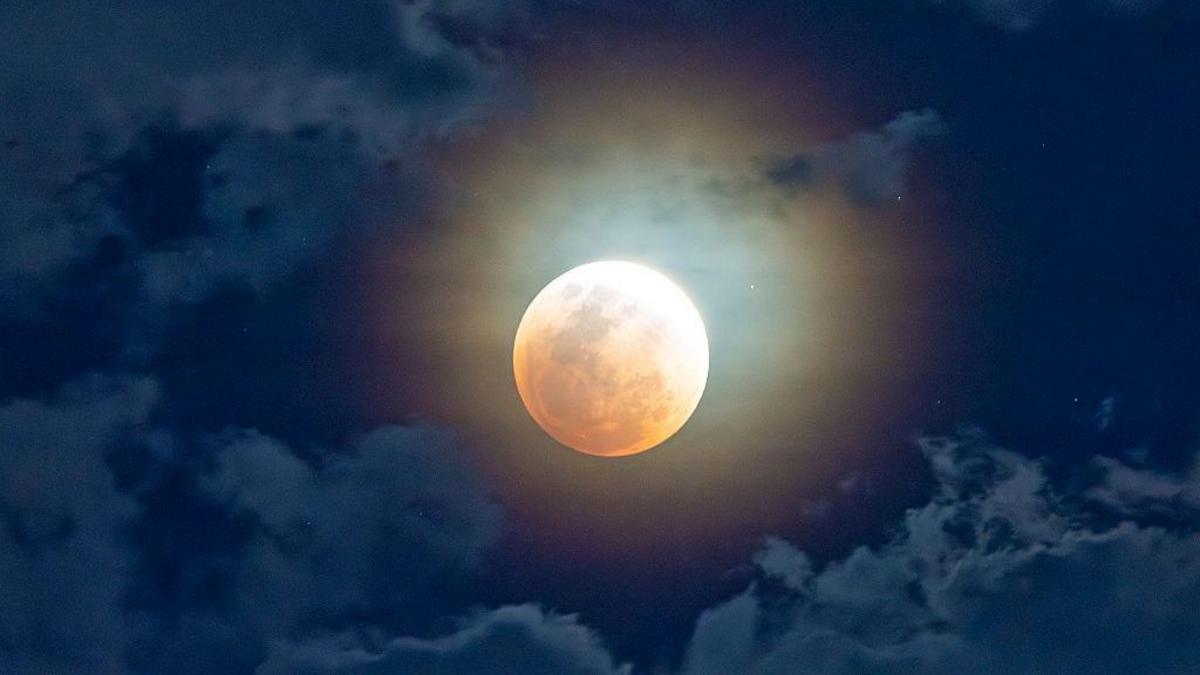
- UK viewers will see a partial solar eclipse on 12 August with the Moon covering around 90% of the Sun at peak, followed by a partial lunar eclipse in the early hours of 28 August.
Why it matters: With central, southern and eastern England forecast to stay clear after dark on 29 July, UK skygazers get a favourable window for the Buck Moon's apparent full phase despite missing the 15:36 BST peak — and the 12 August partial solar eclipse covering around 90% of the Sun, sandwiched between the Perseid peak and a 28 August partial lunar eclipse, gives UK observers their most packed stargazing window of the summer.
Ask SkimNews