Blue Micromoon Peaks May 31 — But It Won't Be Blue — SkimNews
Get the Health newsletter
Daily health & science — research, biotech, public health, the studies worth knowing. Free.
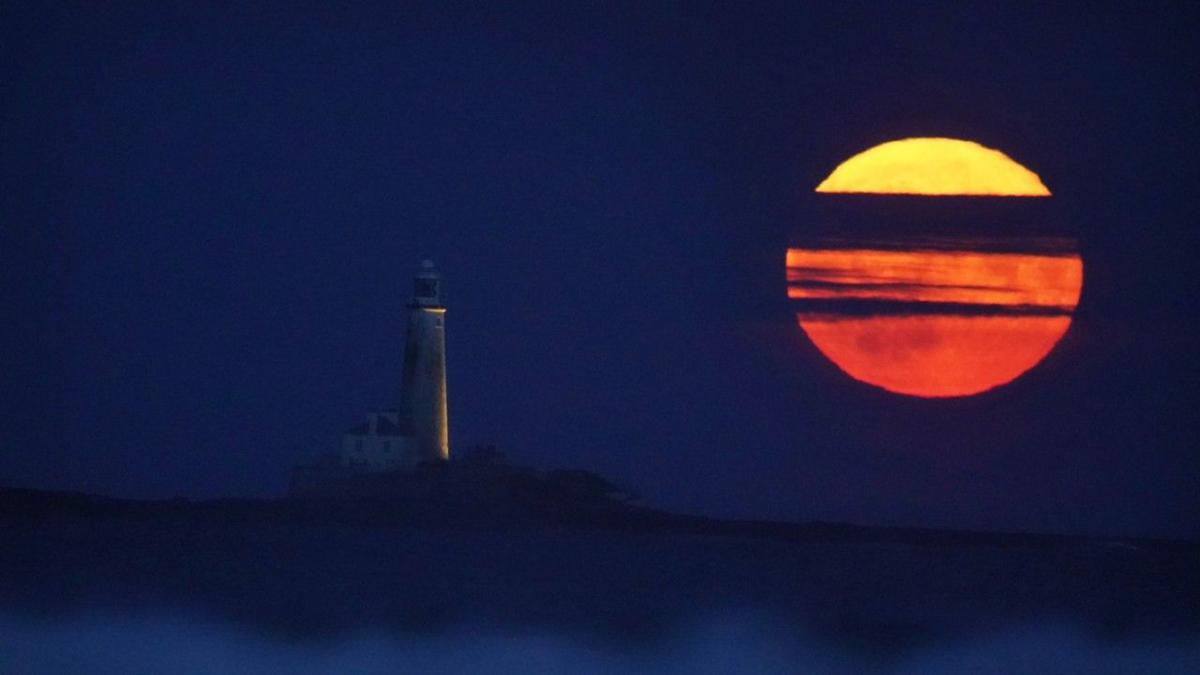
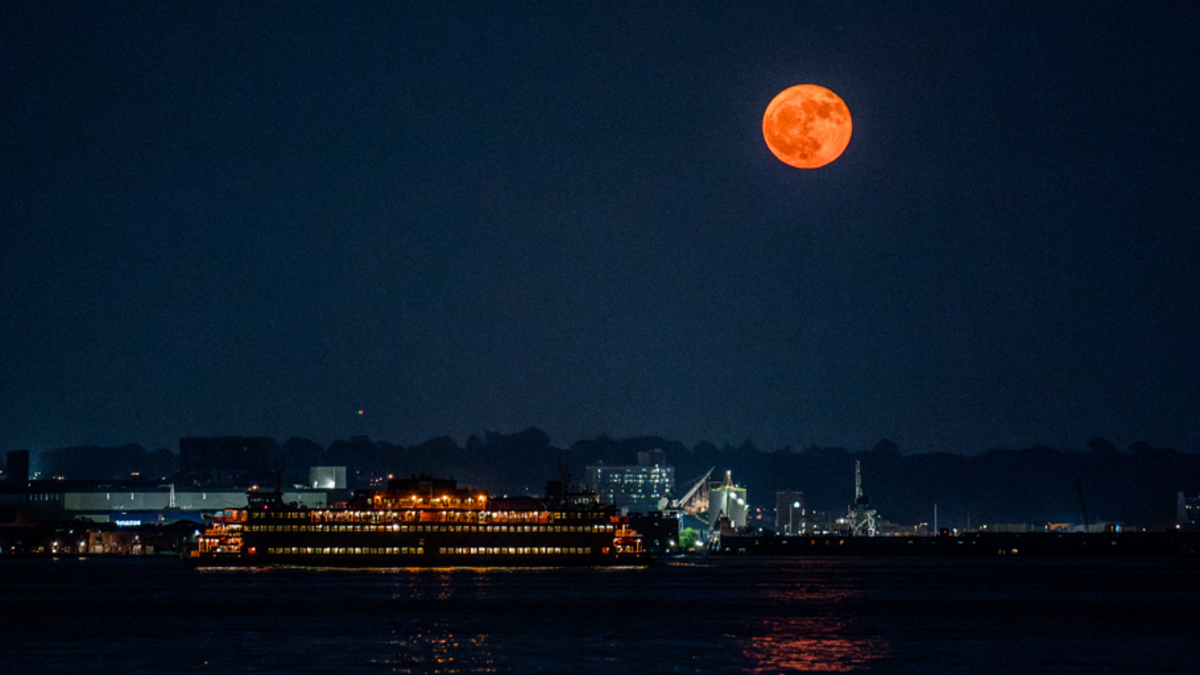
- The blue micromoon peaks at 9:45am BST on May 31, though it will appear full the entire night before and after, per the Royal Observatory Greenwich's Dr. Greg Brown.
- A 'blue moon' is the second full moon in a single calendar month, since the lunar cycle takes 29.5 days; a 'micromoon' occurs when a full moon aligns with the moon's farthest point from Earth in its elliptical orbit.
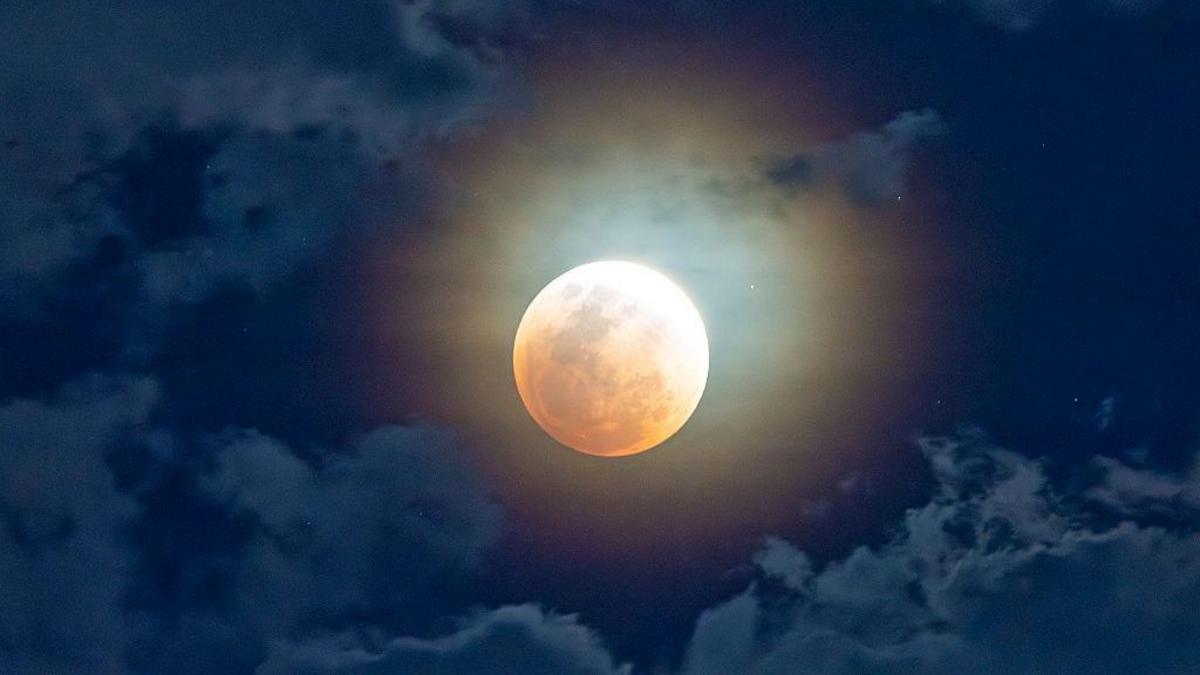
- The moon will not actually appear blue — that effect only happens when atmospheric dust from forest fires or volcanic eruptions causes light to scatter, Brown notes.
- Blue micromoons occur roughly once every couple of decades, and the next one visible from the UK won't come until 2066, while the US will see one in 2053.
- A micromoon appears only about 14% smaller than a supermoon and 6% smaller than a typical full moon, making the size difference subtle rather than dramatic.
- The phrase 'once in a blue moon' may not derive from the calendar quirk at all — Brown suggests it could link to the rarer atmospheric blue tint caused by smoke or ash.
Why it matters: This weekend's event marks a genuinely rare alignment — blue micromoons occur only about once every couple of decades, and UK skywatchers won't see another until 2066. Both labels are misnomers: the moon won't appear blue (that requires volcanic ash or wildfire smoke), and a micromoon is only about 6% smaller than a normal full moon.
Ask SkimNews