Starwatch: this week’s rare blue moon highlights the strange way we mark our calendar — SkimNews
Get the Health newsletter
Daily health & science — research, biotech, public health, the studies worth knowing. Free.
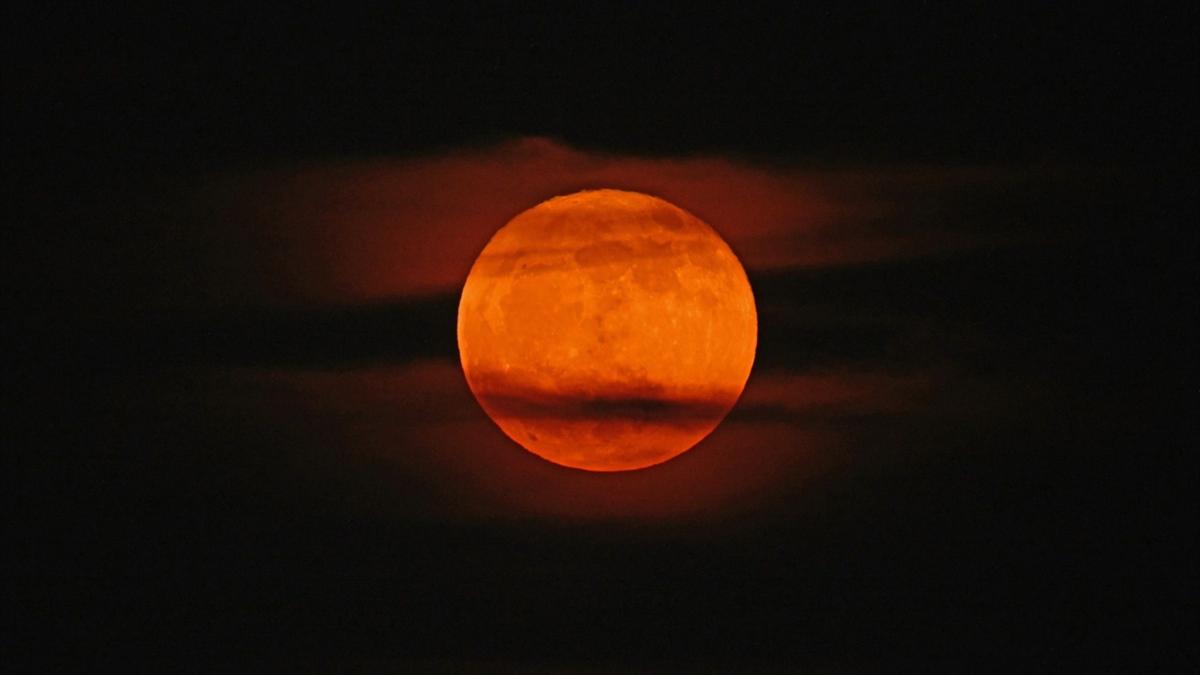
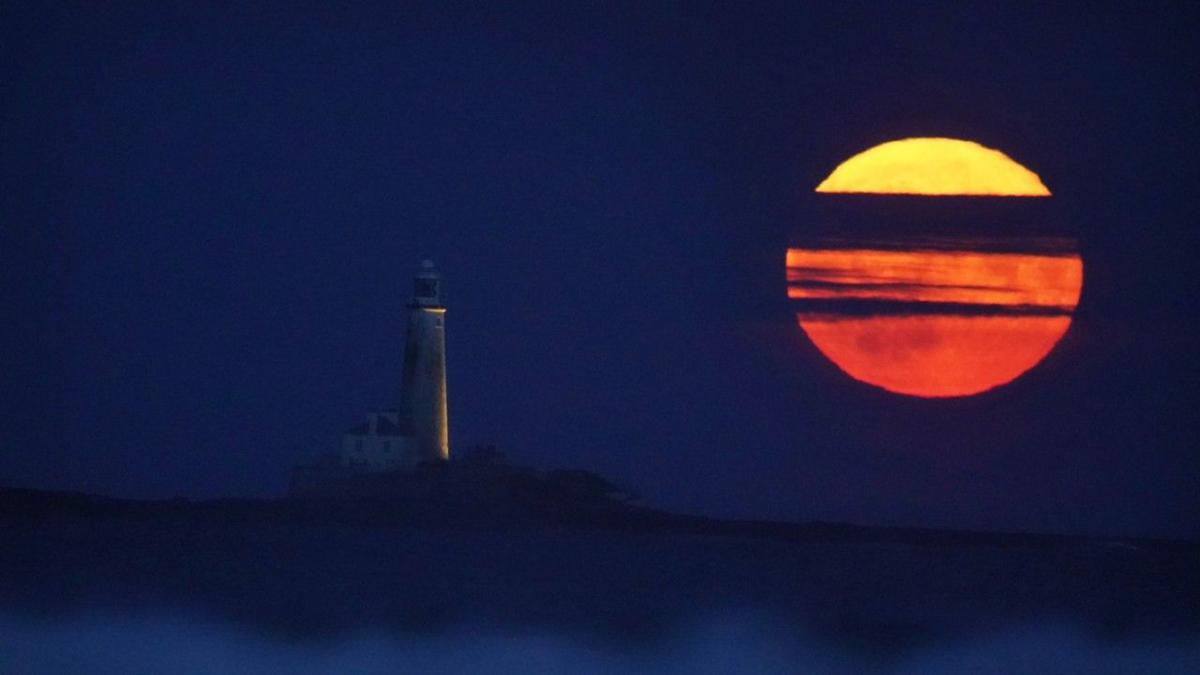
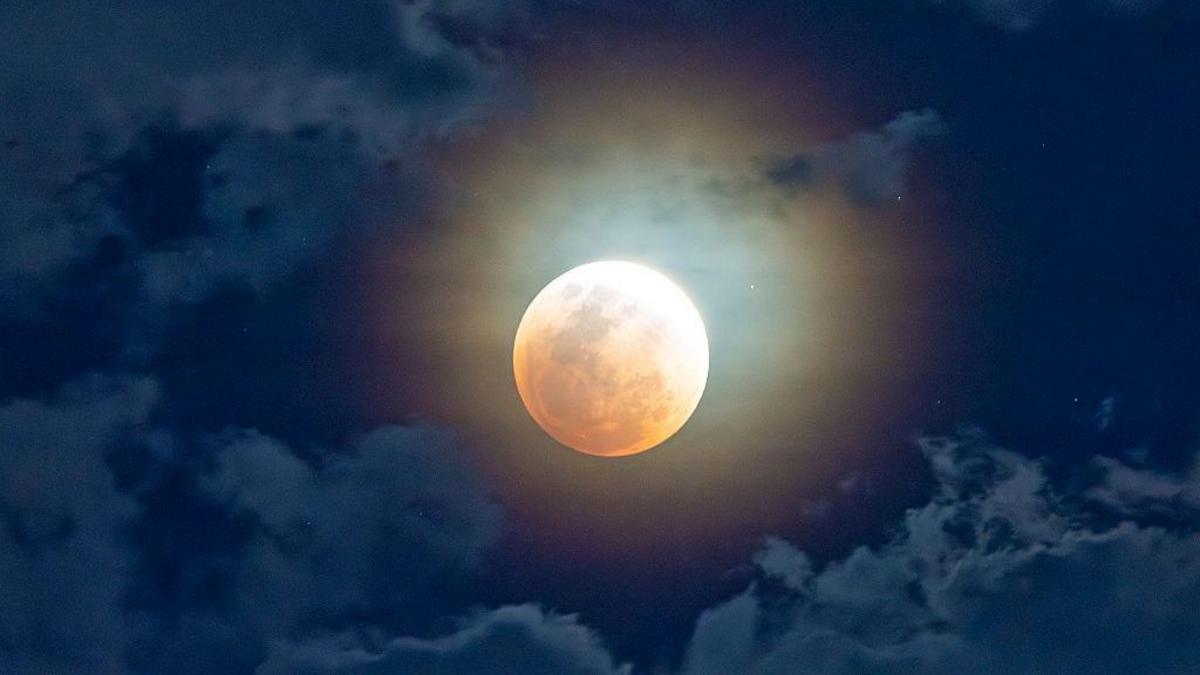
- Blue Moon: The second full moon in May 2026 (May 31) qualifies as a blue moon under the calendar‑month definition.
- Lunar month: Each lunar cycle lasts about 29.5 days, so twelve cycles fall short of a solar year by roughly 11 days.
- Stellar calendar: A year based on the stars’ positions (sidereal year) leads to occasional years with 13 full moons, requiring an extra full moon to keep seasons aligned.
- Seasonal method: The stricter astronomical definition of a blue moon (the third full moon in a season with four) does not count the May 31, 2026 moon; the next such blue moon will be on May 20, 2027.
Why it matters: Astronomy enthusiasts, cultural planners, and religious communities gain a clear cue for scheduling events tied to the moon, while the calendar mismatch can cause confusion over dates and traditions.
Ask SkimNews