Liquid air to sweat: new batteries store clean energy — SkimNews
Get the Energy newsletter
Daily energy & climate — solar, EVs, oil, the policy fights and tech bets shaping the transition. Free.
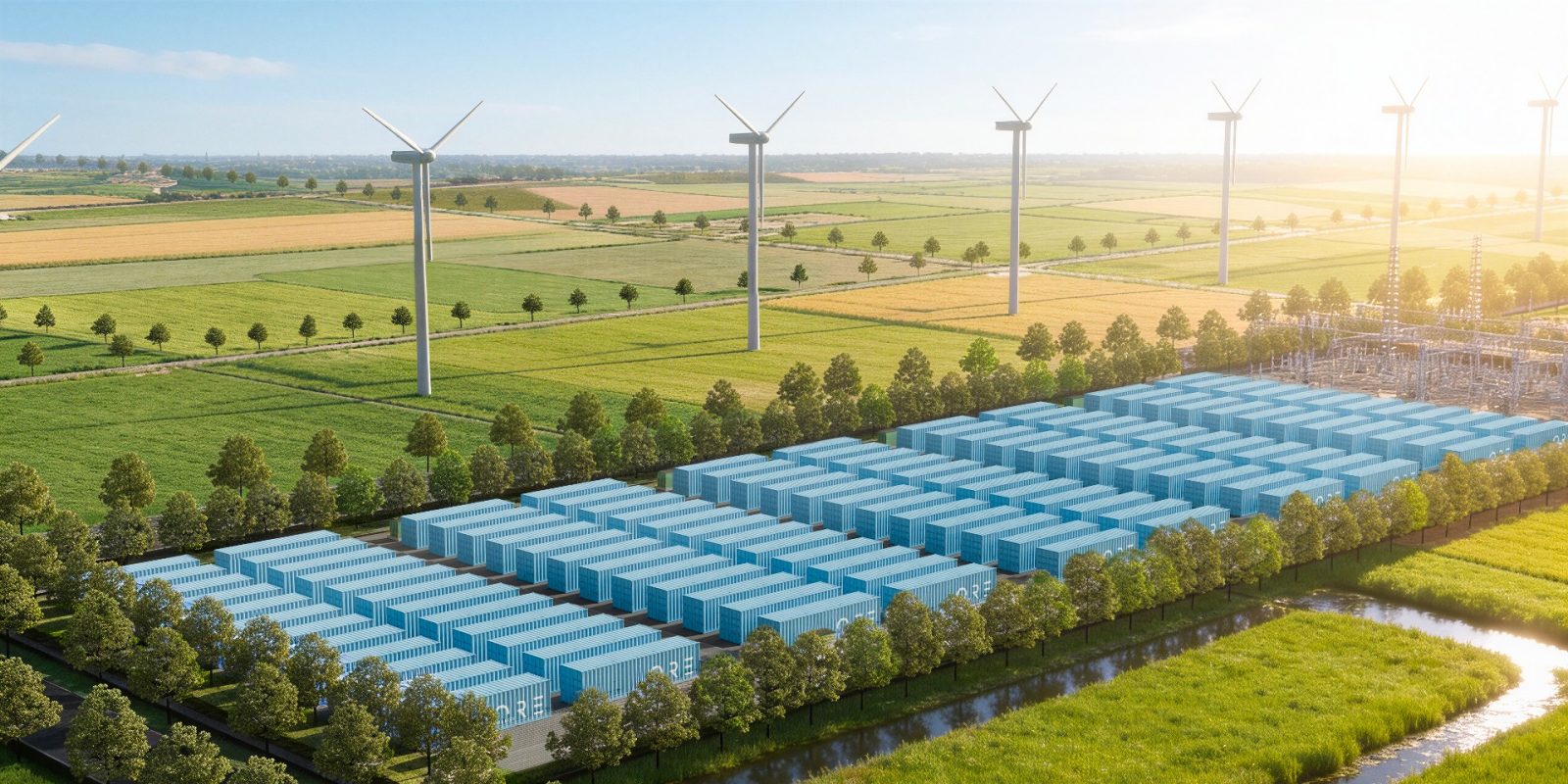
- The UAE's clean energy project stretches across an area the size of 12,600 football fields, combining 5.2GW of solar capacity with 19GWh of battery storage to form the world's largest battery scheme, powering roughly half a million homes overnight.
- Highview Power's Carrington cryobattery in Manchester stores surplus renewables as liquid air cooled to -196C and, once operational by year-end, will deliver 300MWh of storage and 50MW of output for six hours.
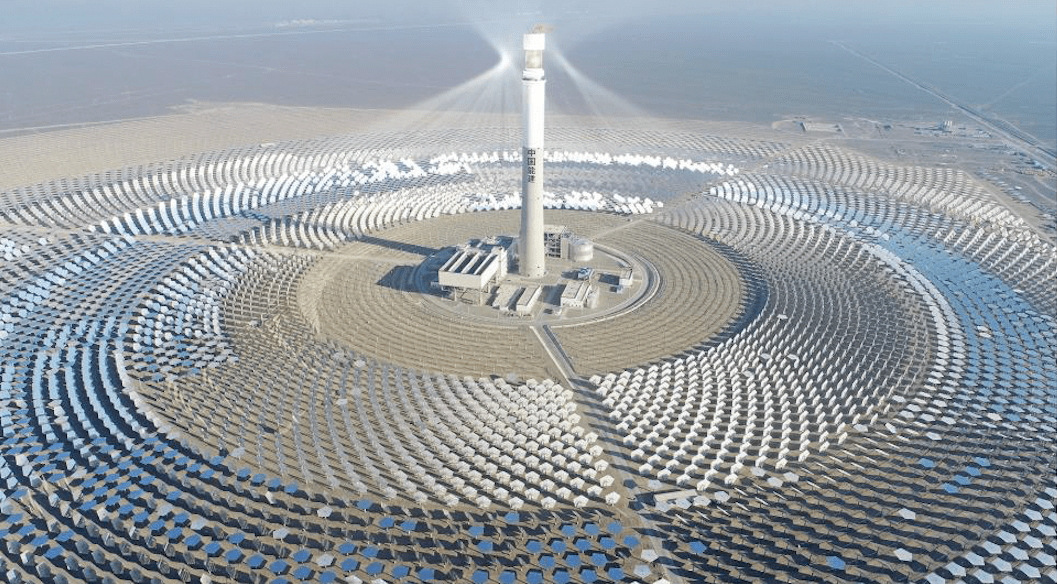
- Crescent Dunes in Nevada uses 10,000 solar panes to heat potassium and sodium nitrate to 560C, maintaining molten salt storage for 10 hours after sunset before driving a turbine to generate electricity.
- Denmark unveiled a 1GWh molten salt battery earlier this year that can store clean electricity for up to two weeks by heating salts to roughly 600C, aimed at decarbonizing heavy industry.
- Finland's Pornainen sand battery uses 2,000 tonnes of crushed soapstone to deliver 1MW of thermal power and 100MWh of storage, ending oil use and cutting wood chip consumption by about 60% in the local heating network.
- Tokyo University of Science researchers developed a wearable patch using an enzymatic biofuel cell that generates electricity from human sweat — capturing lactate and converting it into power without any external source.
Why it matters: Unlike lithium-ion storage — dependent on lithium, cobalt and nickel tied to environmental and community concerns — these alternatives can cycle indefinitely over a 20-year service life, bypassing the critical-mineral scramble as grid-scale renewables expand.
Ask SkimNews