2026 Chevy Bolt EV: Range Hits Target, Charging Quits — SkimNews

Get the Energy newsletter
Daily energy & climate — solar, EVs, oil, the policy fights and tech bets shaping the transition. Free.
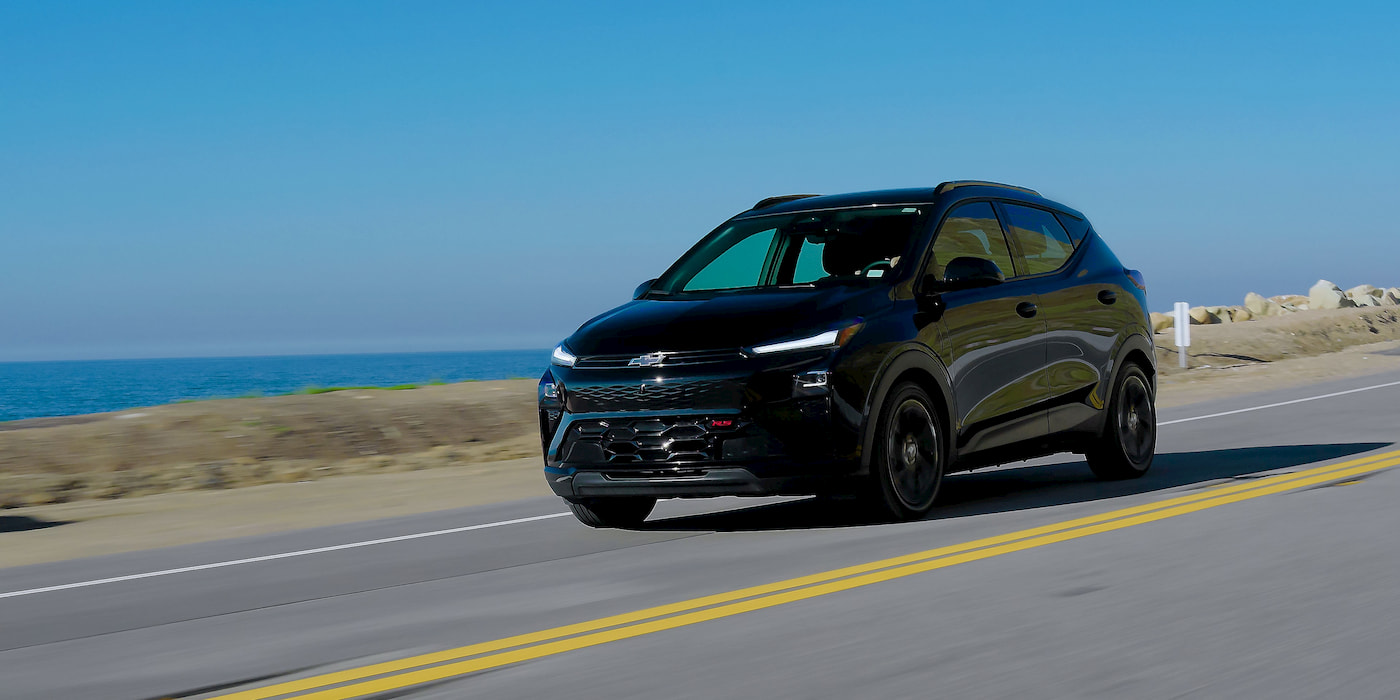
- 2026 Chevrolet Bolt EV RS averaged 5.9 km/kWh (3.7 mi/kWh) over 854.2 km (530.8 miles) of mixed driving, roughly matching the official 422 km (262 miles) range and hitting 437.9 km (272 miles) on a clear day.
- The new LFP battery pack delivers better safety and longevity, but during a DC fast-charging test the session stopped on its own at 66% SOC—likely due to battery pack temperature after a hot drive at low SOC.
- GM's Energy Pass (Plug & Charge) authenticated and started a session automatically at a Tesla Supercharger via the NACS port, with no app or card needed.
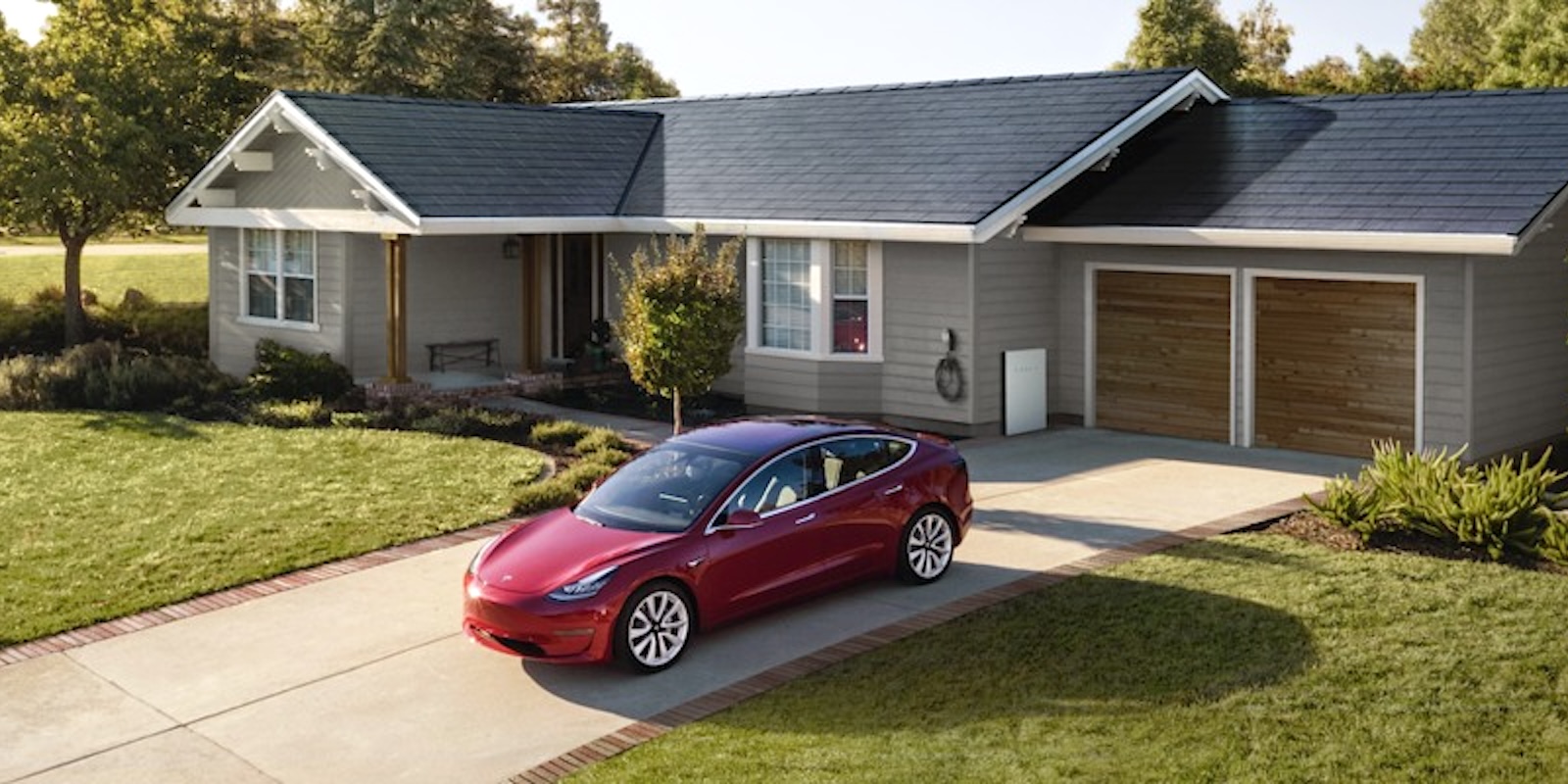
- V2X capability paired with GM Energy lets the Bolt's battery power an entire house; LFP chemistry makes long-term cycling for non-driving use more practical.
- Ergonomics scored 13.3/20: two physically separate screens and Google Built-In drew praise, while hard plastics, narrow seats, and tight rear headroom for passengers over six feet drew criticism.
- The car scored 61.7/100 overall, with the reviewer recommending buyers skip the RS trim and choose the lower trim, calling charging the weakest category at 10.8/20.
Why it matters: Chevy's switch to LFP buys the Bolt safety and longevity, but a charging session that quit at 66% SOC undercuts the very use case—city dwellers without home charging—that the 422-km rated city car is built for. With public 10–80% charging clocked at 33.3 minutes (versus roughly 160 km recovered in 30 minutes on the old Bolt), the improvement is real but still trails newer GM EVs, and an unresolved thermal/BMS behavior could matter more on hot days than the official charging data suggests.
Ask SkimNews