Exercise beats rest for aging joints — SkimNews
Get the Health newsletter
Daily health & science — research, biotech, public health, the studies worth knowing. Free.
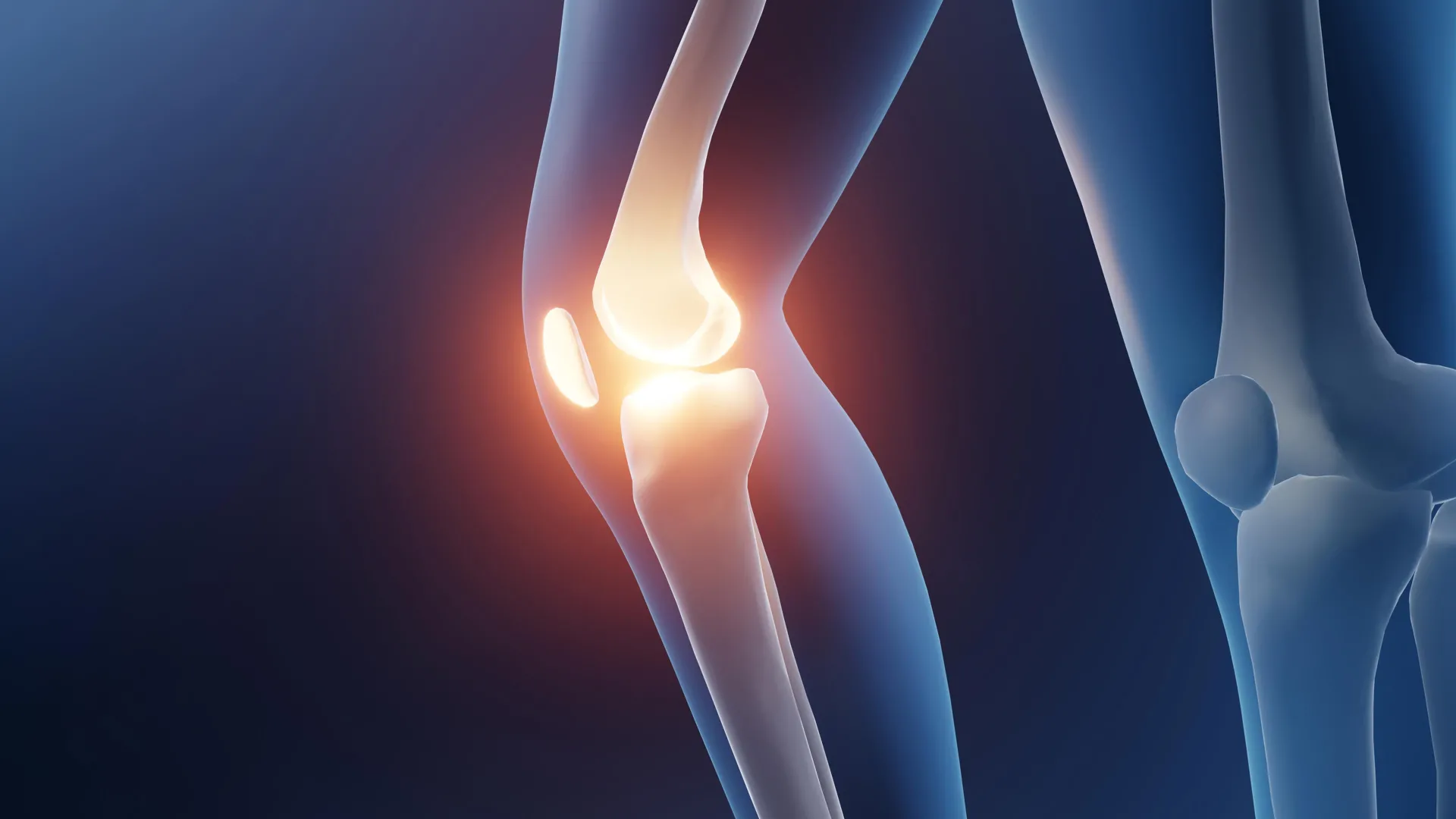
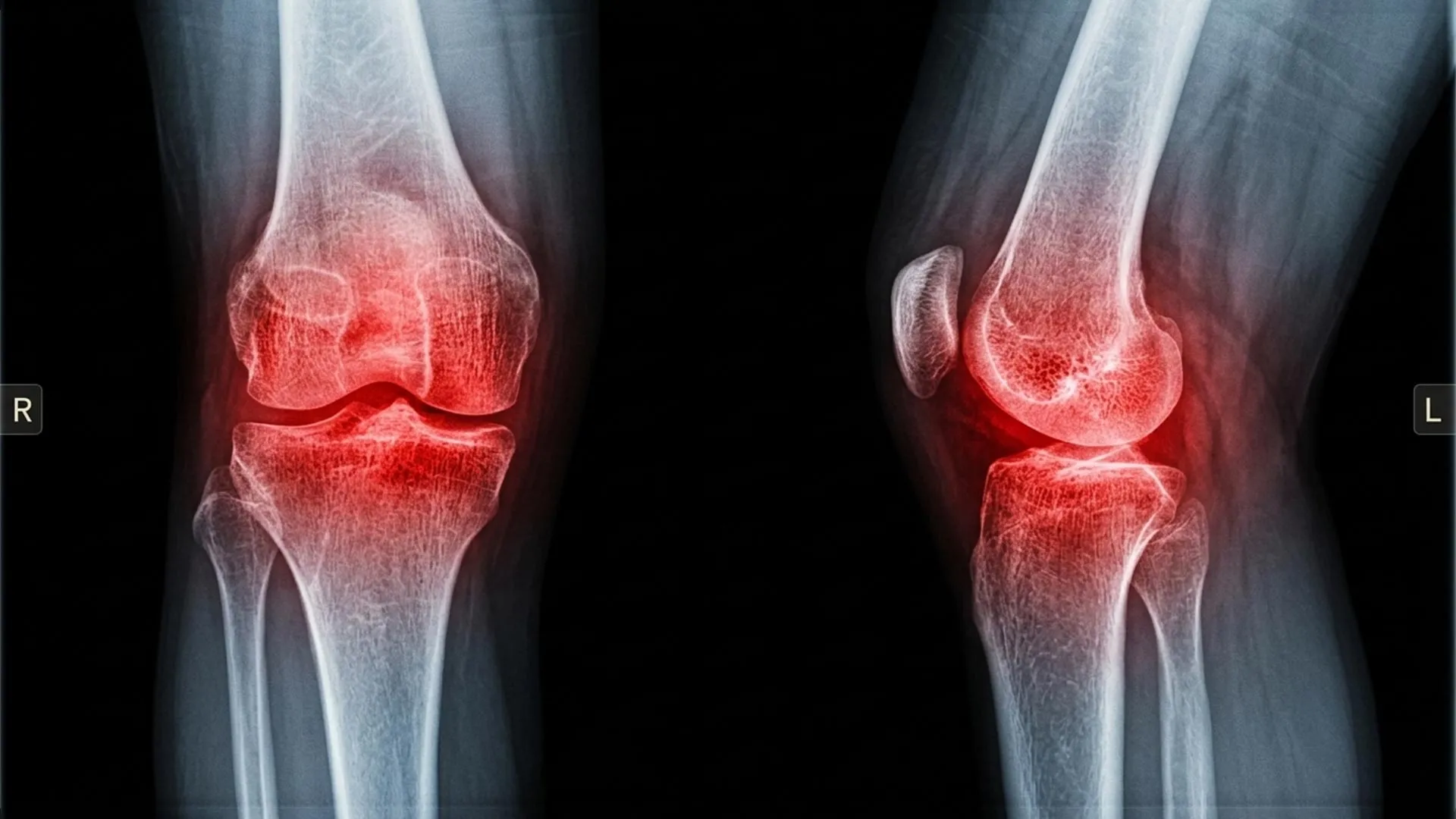
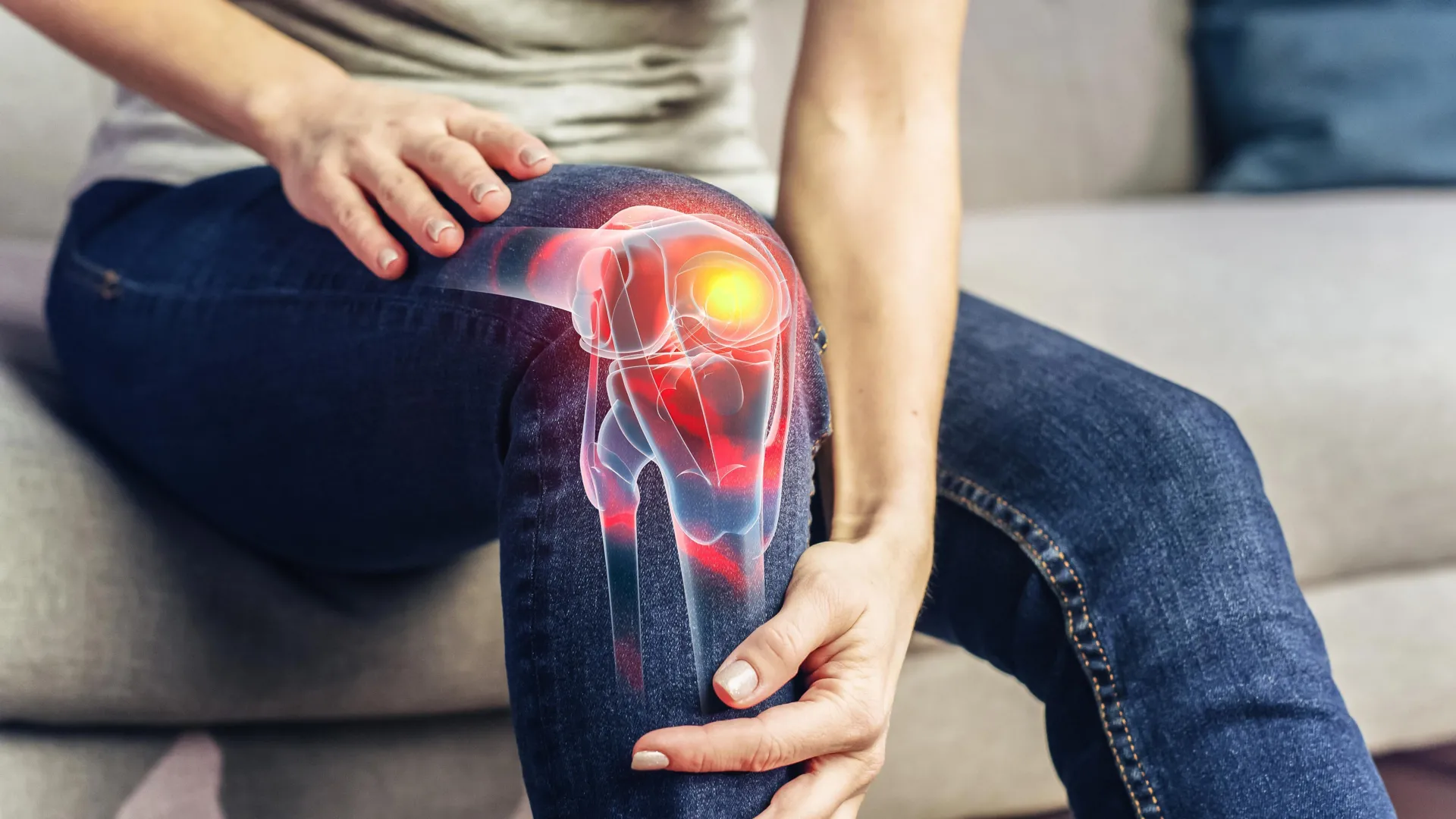
- Aging joints gradually lose cartilage and synovial fluid, increasing vulnerability to osteoarthritis, which affects over 500 million people worldwide.
- Exercise stimulates distribution of synovial fluid, delivering nutrients to cartilage and reducing joint pain, with effects comparable to anti-inflammatory drugs according to a Cochrane review.
- Low-impact activities such as swimming, cycling, tai chi, yoga, and walking on uneven terrain help maintain joint function and proprioception while minimizing strain.
- Walking on varied surfaces like grass or gravel improves postural control and balance, with one 2026 study showing unstable surface training enhances stability in older adults.
- Balance exercises reduce fall risk by approximately 23%, critical given falls are the leading cause of injury-related death in adults over 65.
- Starting small—such as standing on one leg during daily routines—can safely build strength and coordination, especially when progressing gradually and using support.
- Certified exercise physiologists or physiotherapists can design personalized programs to prevent injury from improper form, particularly in yoga or strength training.
Why it matters: Older adults who avoid movement due to joint pain risk accelerating degeneration, while those who adopt tailored low-impact exercise may reduce reliance on medication and lower fall risk by nearly a quarter. The 23% reduction in falls directly impacts longevity and independence in adults over 65.
Ask SkimNews