Personalized Gait Retraining Matches Drug Pain Relief in Trial — SkimNews
Get the Health newsletter
Daily health & science — research, biotech, public health, the studies worth knowing. Free.
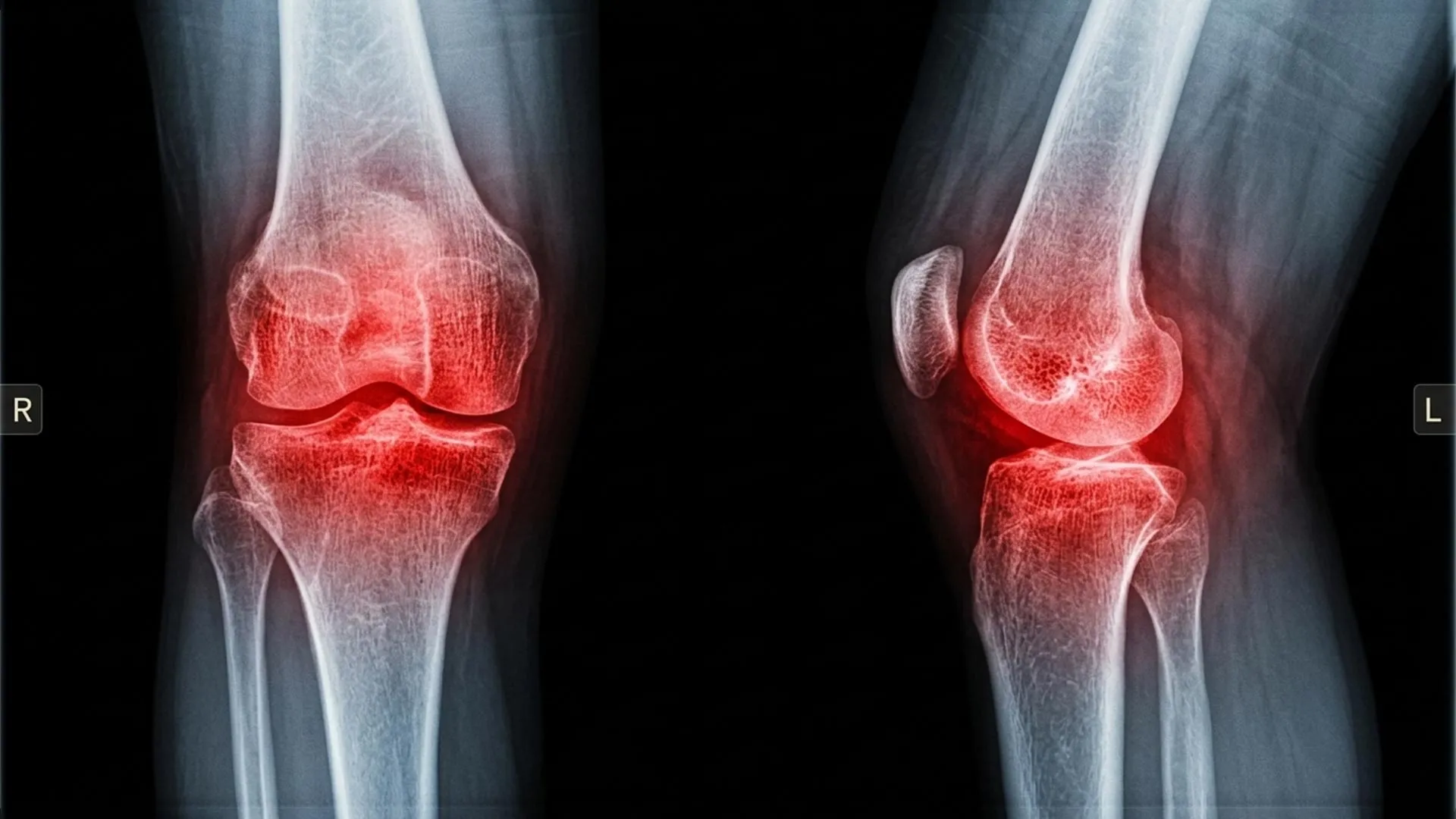
- University of Utah, NYU, and Stanford researchers published the first year-long, randomized, placebo-controlled clinical trial of personalized gait retraining for knee osteoarthritis in The Lancet Rheumatology in August 2025, funded by the U.S. Department of Veterans Affairs.
- 68 participants with mild to moderate medial-knee osteoarthritis were randomized into two groups of 34; those trained to walk with a personalized foot angle reported a 2.5-point pain reduction on a 0-10 scale after one year, compared with 1.3 points in the sham group.
- Approximately 91% of intervention participants achieved clinically meaningful pain reduction versus 66% in the comparison group, and MRI T1rho scans showed slower cartilage deterioration in the inner knee.
- Scott Uhlrich, the University of Utah mechanical engineering assistant professor who co-led the trial, said the pain reduction fell "somewhere between" what you'd expect from ibuprofen and OxyContin.
- Participants completed six weekly biofeedback sessions using a vibrating shin-mounted device and were tested at 5° or 10° foot-angle adjustments chosen individually; at follow-up they held their prescribed angle to within roughly one degree during daily walking.
Why it matters: Osteoarthritis affects roughly 22% of adults over 40 and currently has no treatment that reliably restores lost cartilage; a non-drug, non-surgical approach that matches over-the-counter pain relief and shows early signs of slowing structural damage could shift first-line management away from pills, particularly for patients wary of NSAID or opioid risks.
Ask SkimNews