Low-Impact Exercise Protects Aging Joints
Get the Health newsletter
Daily health & science — research, biotech, public health, the studies worth knowing. Free.
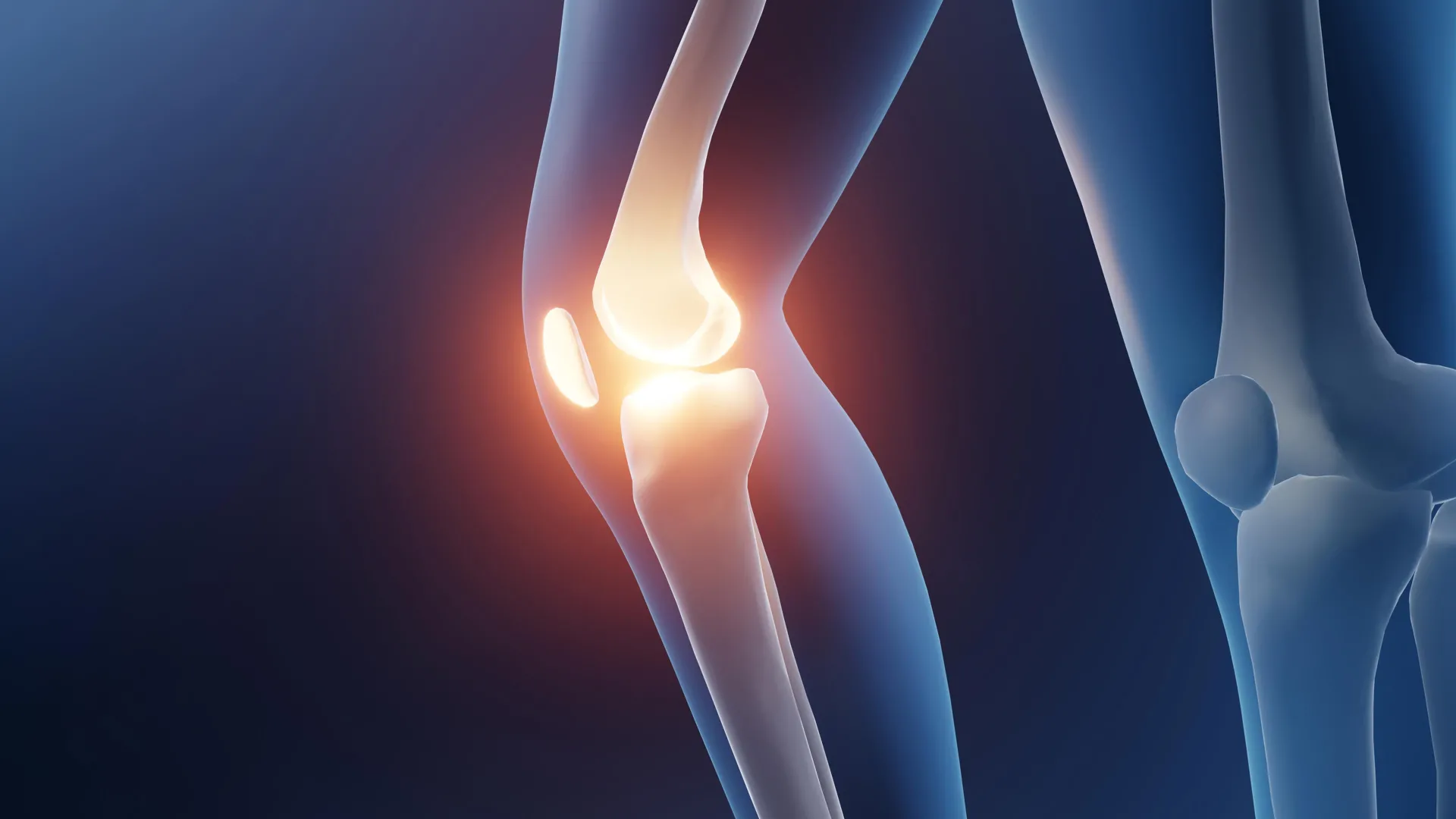
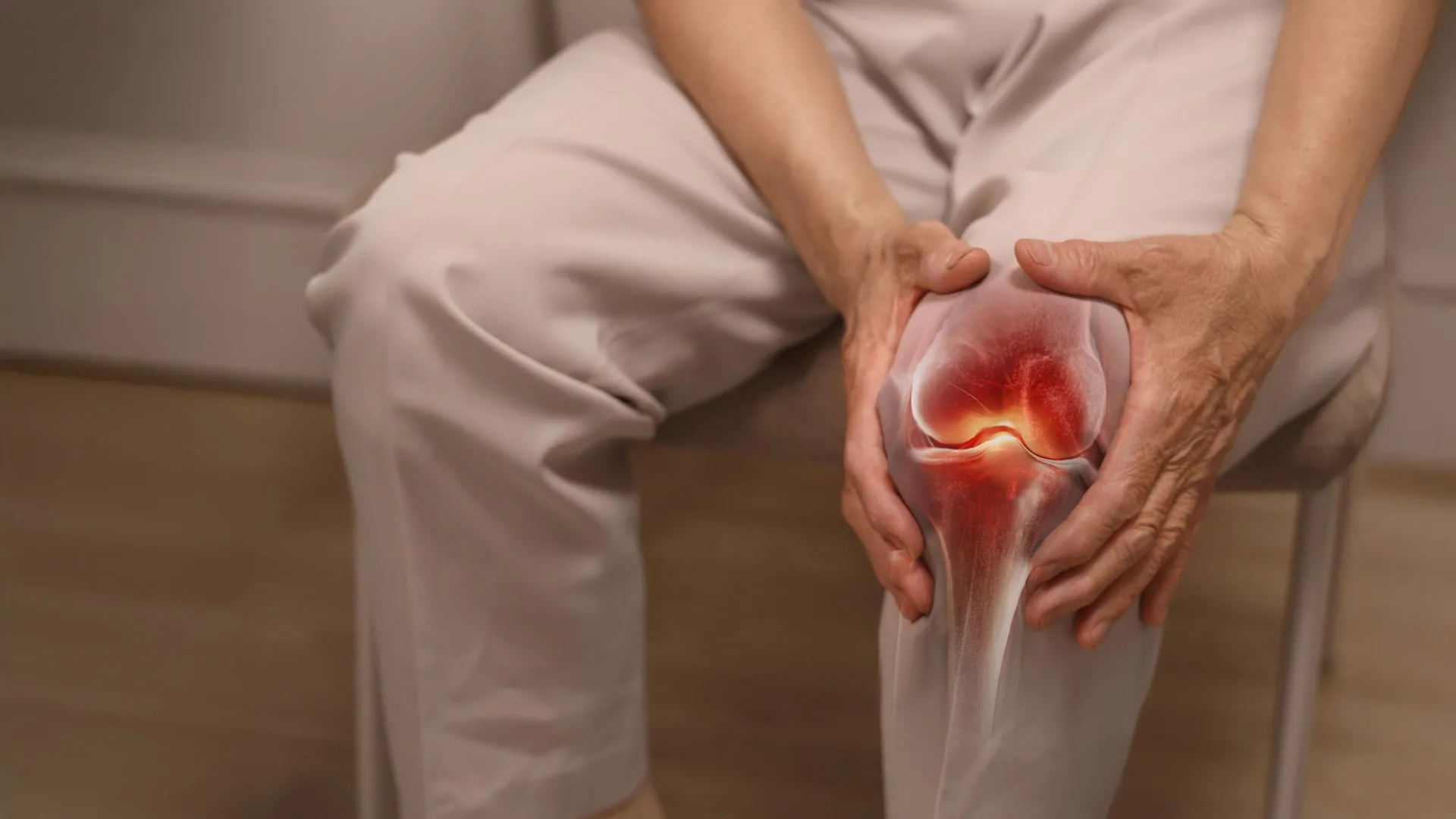
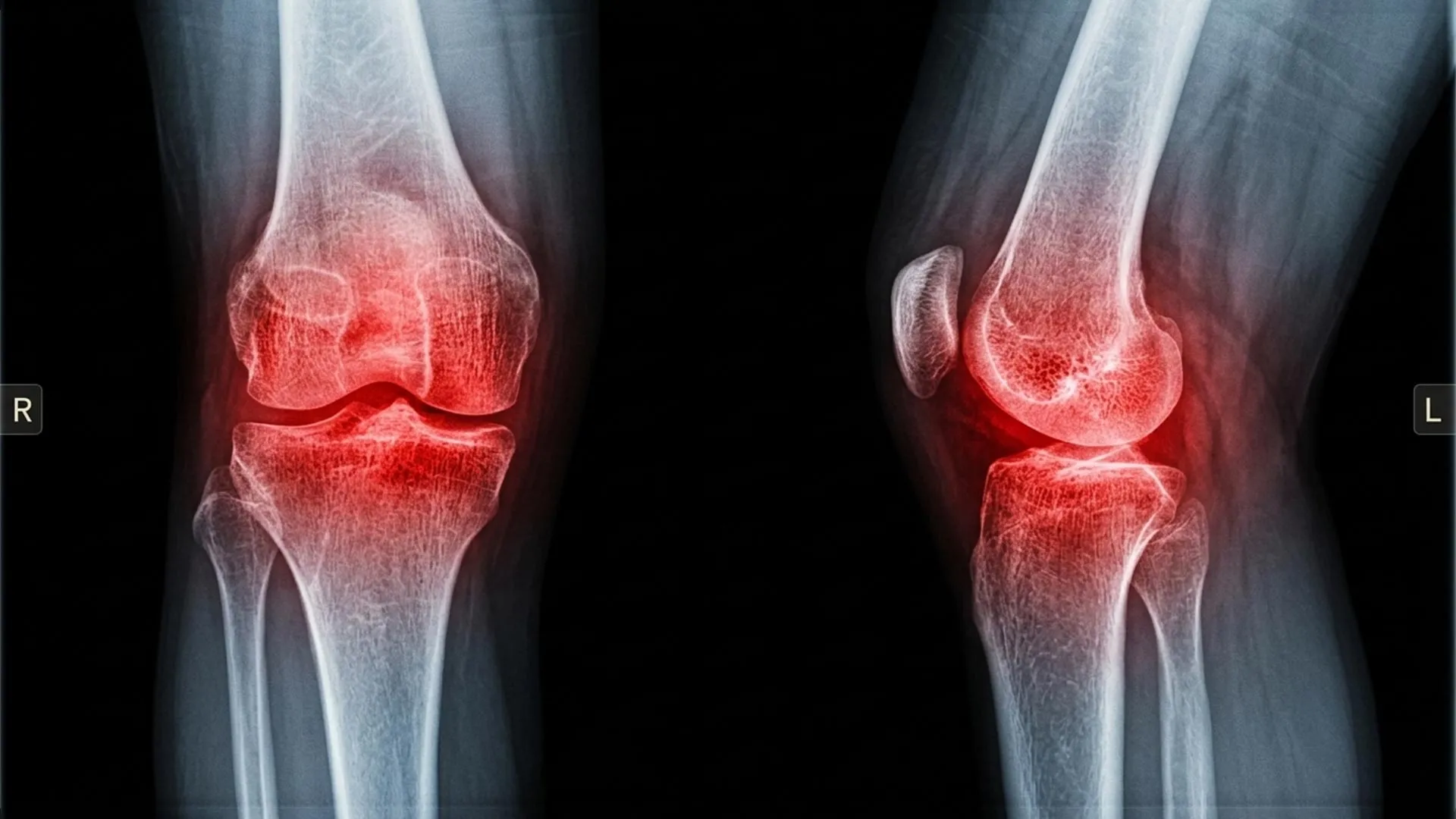
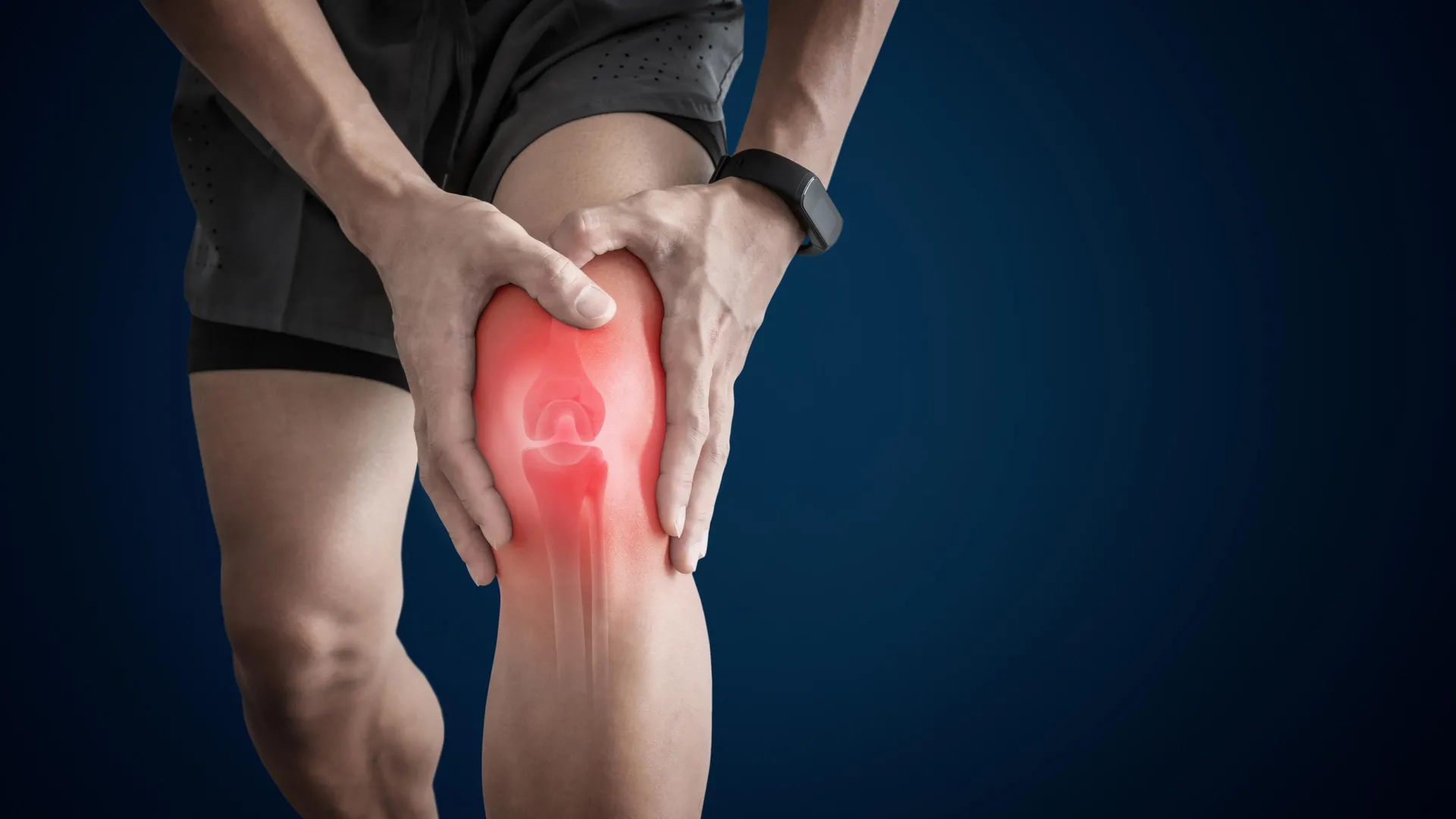
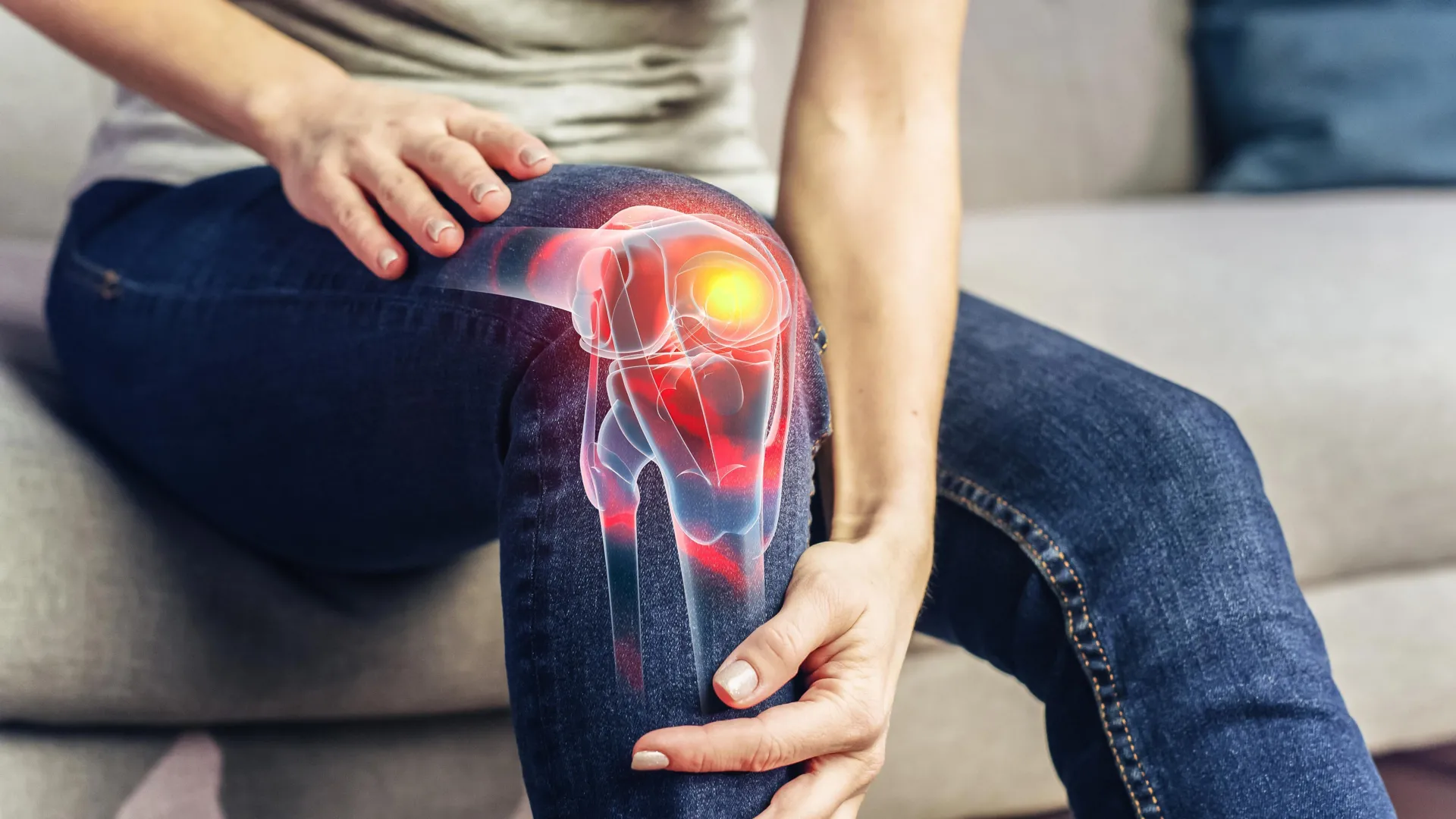
- Osteoarthritis affects more than 500 million people worldwide, with pain concentrated in weight-bearing joints like the knees, hips, and spine as cartilage and synovial fluid gradually break down.
- A Cochrane review found exercise reduces pain and improves function in knee osteoarthritis comparably to anti-inflammatory drugs, without the same side effects, by distributing nutrient-rich synovial fluid to cartilage.
- Quadriceps-targeted strength exercises are particularly effective at reducing joint pain, since the surrounding muscles act as shock absorbers that ease pressure on cartilage.
- Proprioception — the body's sense of position and movement — declines with age, causing joints to bear weight unevenly; training on varied or unstable surfaces such as grass, gravel, or foam pads counteracts that wear.
- A 2026 study cited in the piece found unstable-surface training significantly improves postural control in older adults, while a separate systematic review showed balance-challenging exercises cut fall rates by roughly 23%.
- Low-impact options including swimming, cycling, tai chi, yoga, and walking on uneven terrain are recommended; water-based activity alone can support up to 90% of body weight, and research suggests tai chi matches physical therapy for knee osteoarthritis.
Why it matters: Falls are the leading cause of injury-related death in adults over 65, and the 23% reduction in fall rates from balance-challenging exercise represents a concrete, evidence-based lever for older adults — many of whom currently avoid movement out of fear of pain but inadvertently accelerate the joint damage they are trying to prevent.
Ask SkimNews